In the realm of industrial automation, ensuring the safety of equipment and personnel is paramount. This is where safety relays come into play. Safety relays are critical components designed to protect operators and machinery by providing a reliable method of monitoring safety devices and disconnecting power in the event of a fault or unsafe condition. In this article, we will delve into the intricacies of safety relays, their functions, features, applications, and importance in modern manufacturing.
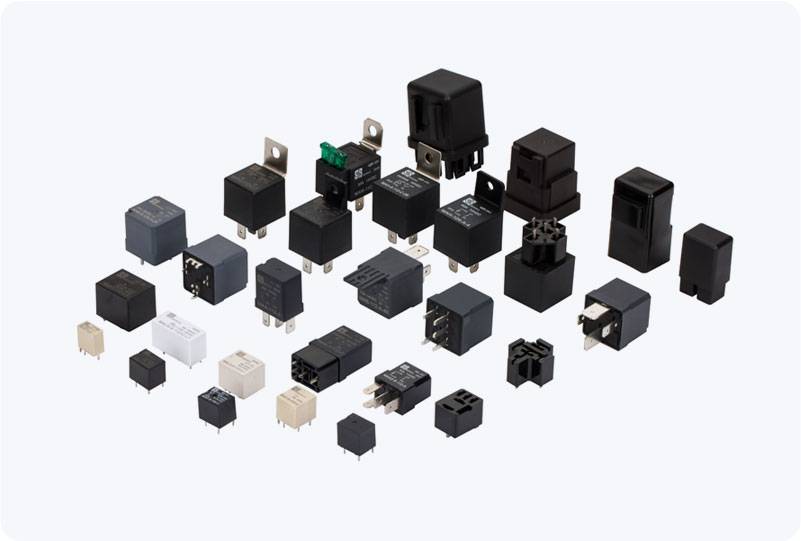
What is a Safety Relay? A safety relay is a device used to monitor the status of safety components in machines and industrial equipment. Unlike standard relays, safety relays are specifically designed to meet strict safety standards, ensuring that they can handle potential faults in a way that prevents harm to people and equipment. They are commonly employed in conjunction with emergency stop buttons, safety light curtains, interlocking devices, and other safety mechanisms. Key Functions of Safety Relays Monitoring Safety Devices: Safety relays continuously check the status of connected safety devices to ensure they are functioning correctly. For instance, when an emergency stop button is pressed, the safety relay should immediately receive the signal and cut the power supply to the machine.
Leave a Reply