In various industrial and manufacturing environments, ensuring worker safety during maintenance activities is of utmost importance. Among the myriad of safety tools available, Lockout Hasps play a crucial role in safeguarding employees by preventing accidental equipment start-up during repairs or cleaning. This article will delve into the significance, functioning, and best practices surrounding Lockout Hasps, illustrating why they are indispensable in today’s safety-conscious workplaces.
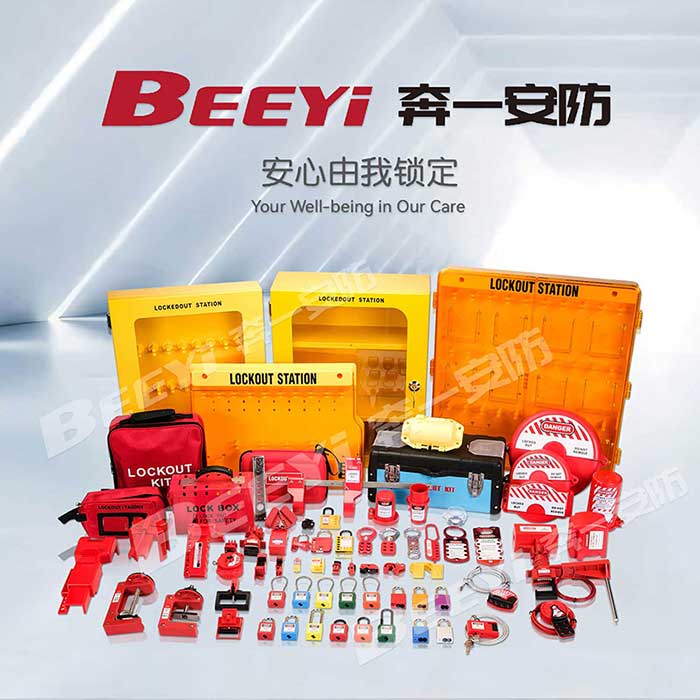
What are Lockout Hasps? Lockout Hasps are devices designed to secure equipment during maintenance or servicing. They typically consist of a robust metal or durable plastic shackle that can accommodate multiple locks. By securing a device with a Lockout Hasp, workers can prevent unauthorized access and ensure that machinery remains in a safe state until all necessary maintenance has been completed. The Functionality of Lockout Hasps The primary function of a Lockout Hasp is to provide a secure mechanism that allows multiple workers to lock out a piece of equipment while performing maintenance. This is particularly useful in situations where more than one individual is involved in servicing the same machinery. Each technician can lock their own padlock onto the hasp, ensuring that the equipment remains locked out until all individuals have removed their locks. This collective approach to safety dramatically decreases the potential for accidents that could result from equipment being started unexpectedly.
Leave a Reply