Relay specifications are critical in both electrical engineering and software development, and they define the characteristics and behaviors of relays within specific systems. Whether in the realm of electrical devices or as part of a software framework like Relay in GraphQL, understanding relay specifications is essential for building efficient, reliable systems. In this article, we will explore the relay specifications used in electrical components and the Relay framework for data management, offering insights into their roles and importance.
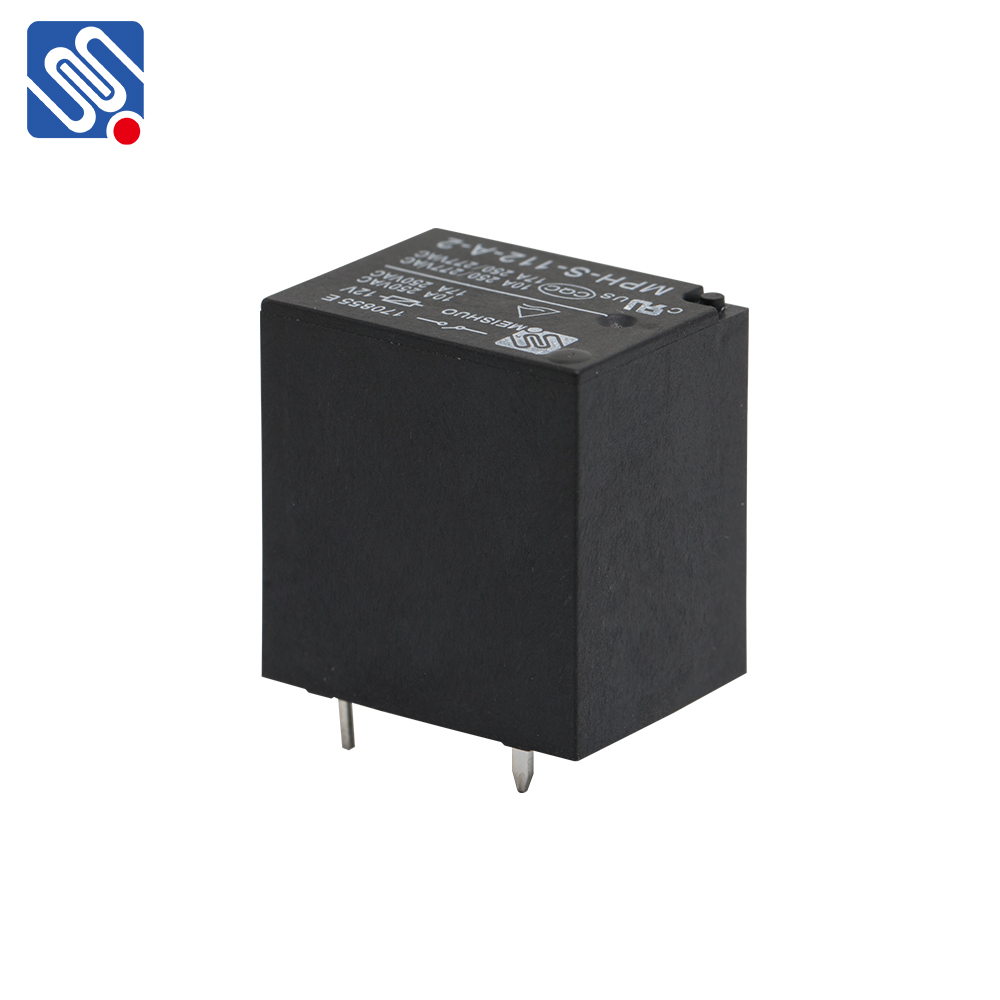
Electrical Relay Specifications In electrical systems, a relay is an electromagnetic switch used to control the flow of electricity in a circuit. These devices are fundamental in protecting systems, managing signals, and providing automation in everything from household appliances to industrial machinery. The specifications of electrical relays are essential to ensure they function safely, efficiently, and reliably within the circuits they serve. Some key relay specifications include: Contact Rating: The contact rating refers to the maximum electrical load the relay contacts can handle. This is typically defined in terms of voltage and current, with values like 12V, 24V, or 240V and 1A, 5A, or 10A commonly seen in various applications. Understanding the contact rating ensures that the relay will not burn out or degrade due to excessive load.
Leave a Reply