In modern agriculture, the efficient and precise management of water resources is paramount. The advent of automation and smart systems has greatly enhanced irrigation techniques, making them more effective and sustainable. One such crucial component in agricultural irrigation systems is the electric butterfly valve, an essential device for controlling water flow in large-scale farming. The electric butterfly valve has become a preferred choice for many irrigation manufacturers due to its reliability, efficiency, and versatility. In this article, we will explore the key benefits, applications, and considerations when choosing an electric butterfly valve for agricultural irrigation.
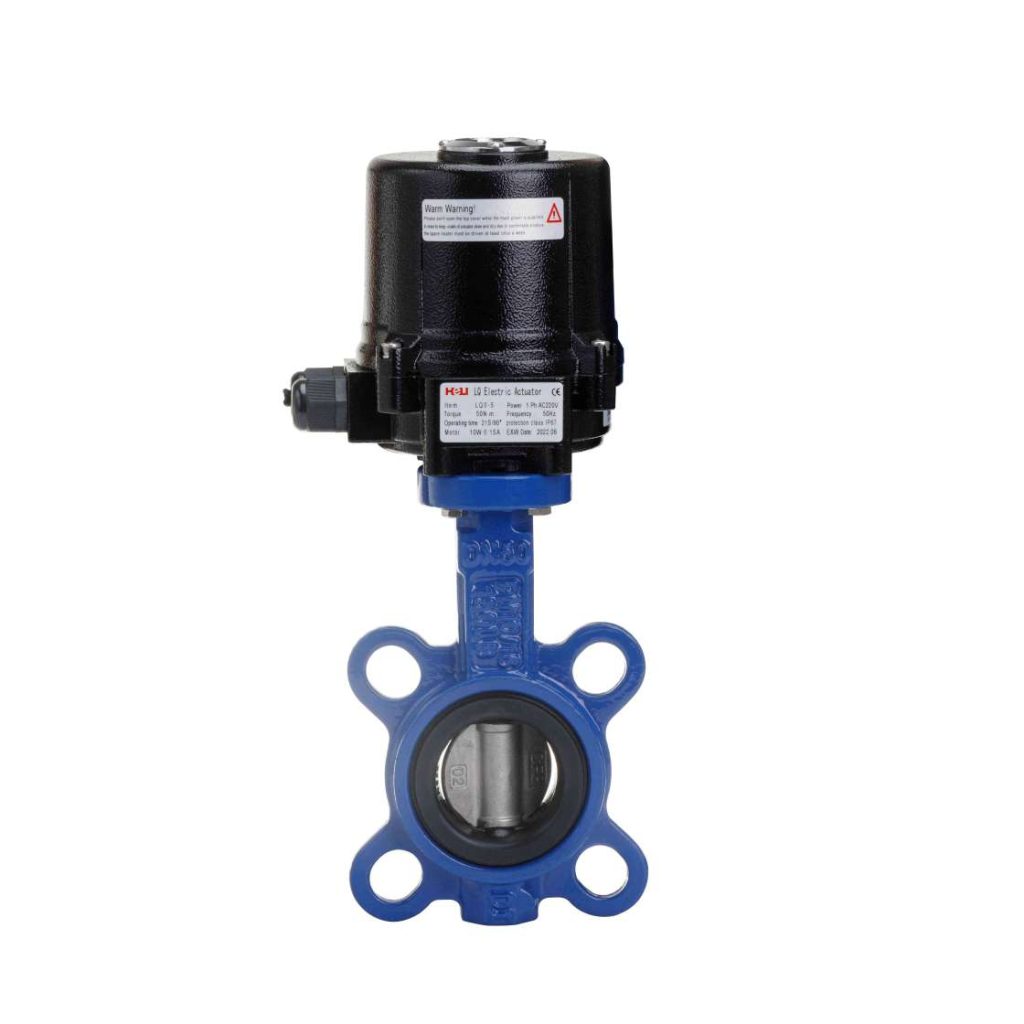
What is an Electric Butterfly Valve?
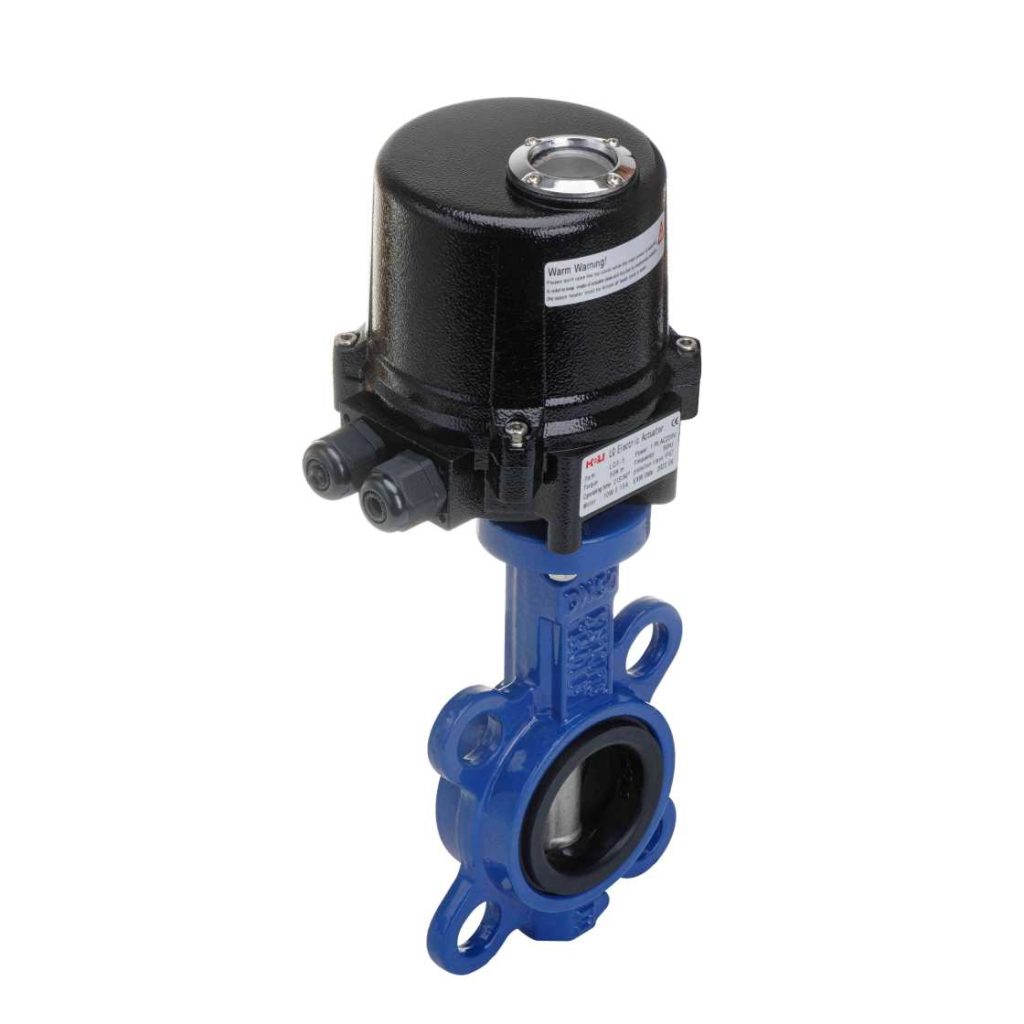
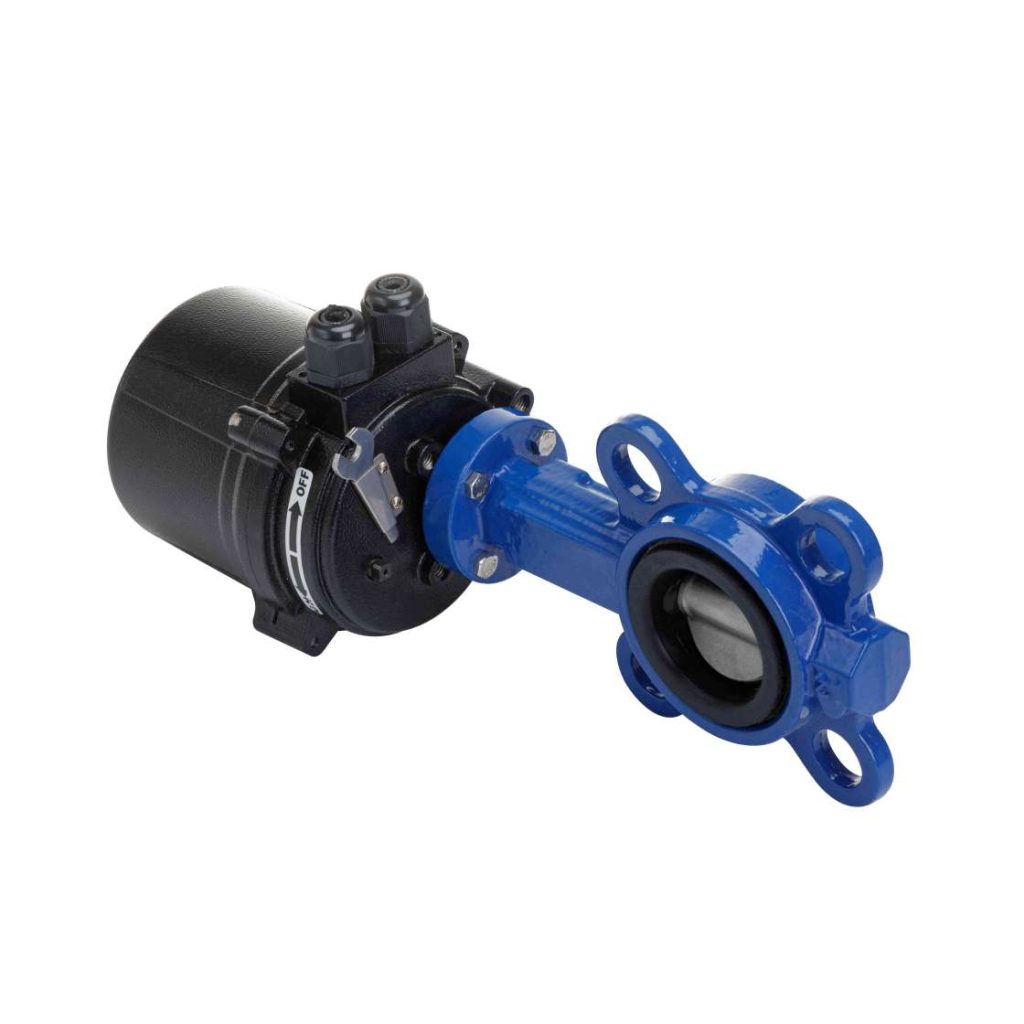
An electric butterfly valve is a type of valve that uses an electric actuator to control the opening and closing of the valve, which in turn regulates the flow of water through pipes in irrigation systems. Unlike traditional manual valves, electric butterfly valves can be remotely operated and integrated into automated irrigation systems. They feature a disc-shaped valve element that rotates to open or close the valve, allowing precise control over the flow rate. Key Benefits of Electric Butterfly Valves in Agricultural Irrigation Automated Control: One of the most significant advantages of electric butterfly valves is their ability to be automated. These valves can be connected to a central control system that operates them according to predefined schedules or real-time data. This automation ensures that the irrigation system operates efficiently, reducing water waste and ensuring optimal hydration for crops.
Leave a Reply