Lockout/tagout (LOTO) equipment is an essential component of workplace safety protocols, particularly in industrial, manufacturing, and construction environments. The LOTO procedure is designed to protect workers from hazardous energy sources during maintenance and servicing activities. By effectively isolating and controlling energy, organizations can significantly reduce the risk of accidents and injuries resulting from unintended equipment startup. This article delves into the various aspects of lockout/tagout equipment, its significance, and best practices associated with its implementation.
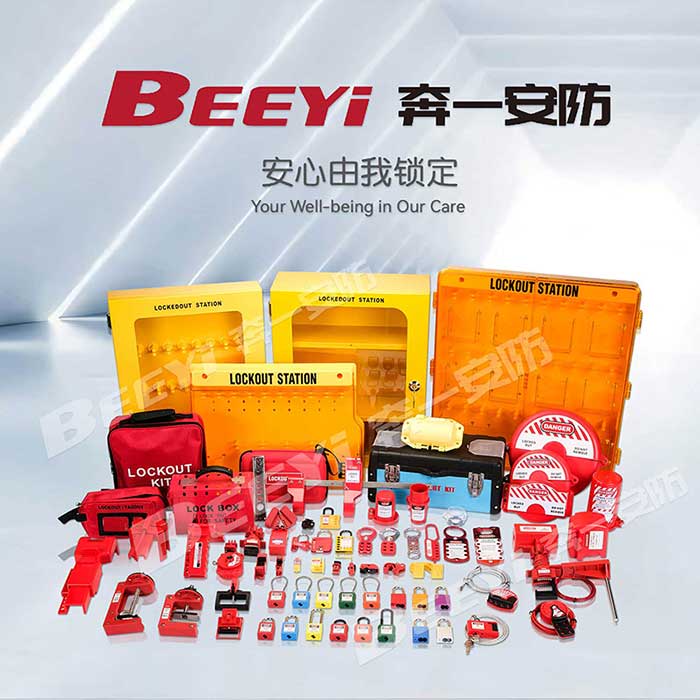
What is Lockout Tagout Equipment? Lockout/tagout equipment includes devices specifically designed to lock and tag machinery or electrical circuits, ensuring that these systems remain inoperative while maintenance is being performed. The primary components of LOTO equipment are: Lockout Devices: These include padlocks, hasps, and specific locking mechanisms tailored for machinery. Each lock is often brightly colored and uniquely keyed to prevent unauthorized removal. Properly utilized lockout devices physically block equipment from being energized or operated. Tagout Devices: Tags are used in conjunction with lockout devices to provide visual warnings that indicate a piece of equipment is under maintenance. Tags typically contain essential information, such as the identity of the person performing the maintenance, the date of the lockout, and a warning message clearly stating that the equipment must not be operated.
Leave a Reply