A Low Flow Solenoid Valve is an essential component in numerous systems where accurate control of small fluid or gas flows is crucial. These valves are specifically designed for low flow rates, ensuring efficient and precise control while minimizing leakage and pressure fluctuations. From laboratory experiments to industrial applications, low flow solenoid valves are used in various fields where high precision and reliability are paramount. This article delves into the significance, working principle, design characteristics, applications, and selection criteria of low flow solenoid valves.
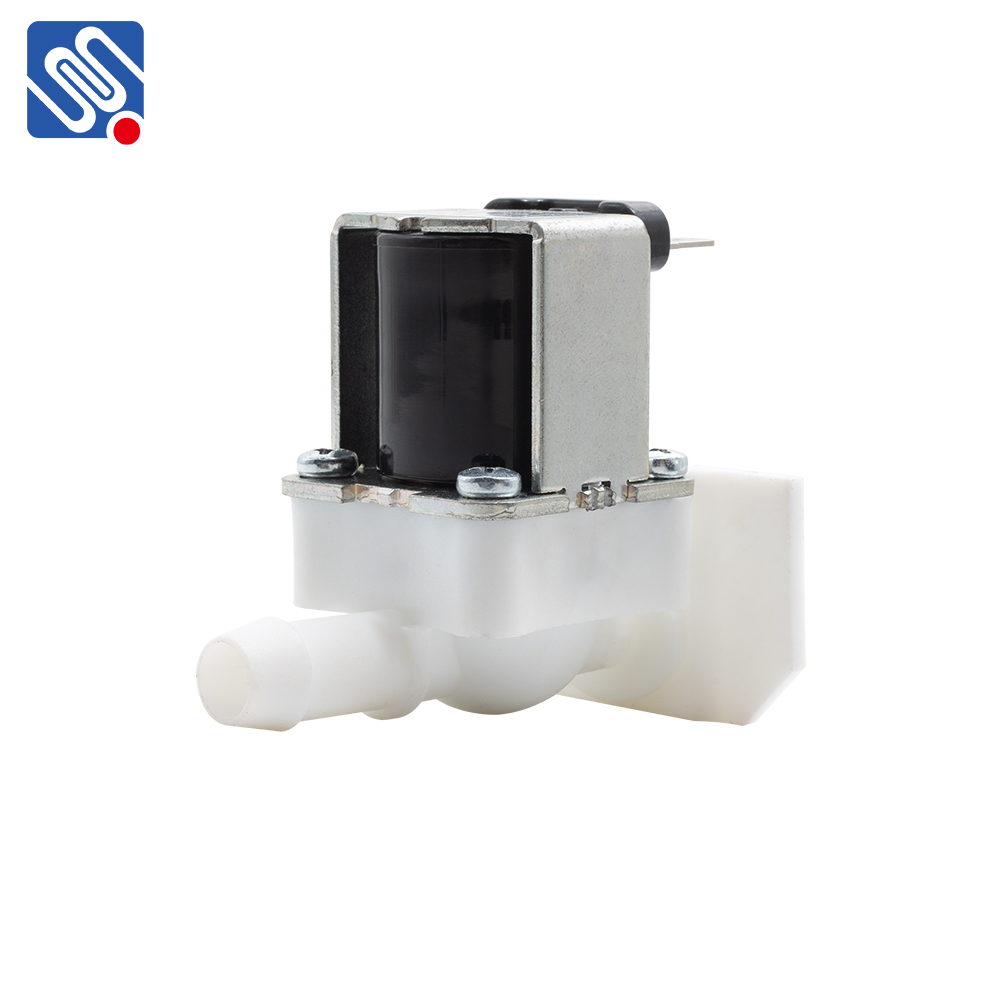
Working Principle of Low Flow Solenoid Valves A solenoid valve operates through an electromagnetic coil that, when energized, generates a magnetic field to control a plunger or valve stem. The movement of the plunger opens or closes the valve, allowing or restricting the flow of fluid or gas. In a Low Flow Solenoid Valve, the main difference lies in the size and precision of the valve components, which are designed to handle smaller flow rates while ensuring accuracy and reliability. Low flow valves are engineered to work in low-pressure systems, where the pressure differential between the inlet and outlet is minimal. These valves may have a much smaller orifice size compared to their standard counterparts, allowing them to precisely regulate fluid flows even at minimal levels. This is especially important in applications where even slight variations in flow rate can have significant impacts on the system’s performance.
Leave a Reply