Plastic water flow control valves are essential components in various water management systems, serving as crucial instruments for regulating the flow of liquids in numerous applications. Their lightweight construction, durability, and resistance to corrosion make them a popular choice among engineers and homeowners alike. This article explores the principles, applications, advantages, and maintenance tips for plastic water flow control valves.
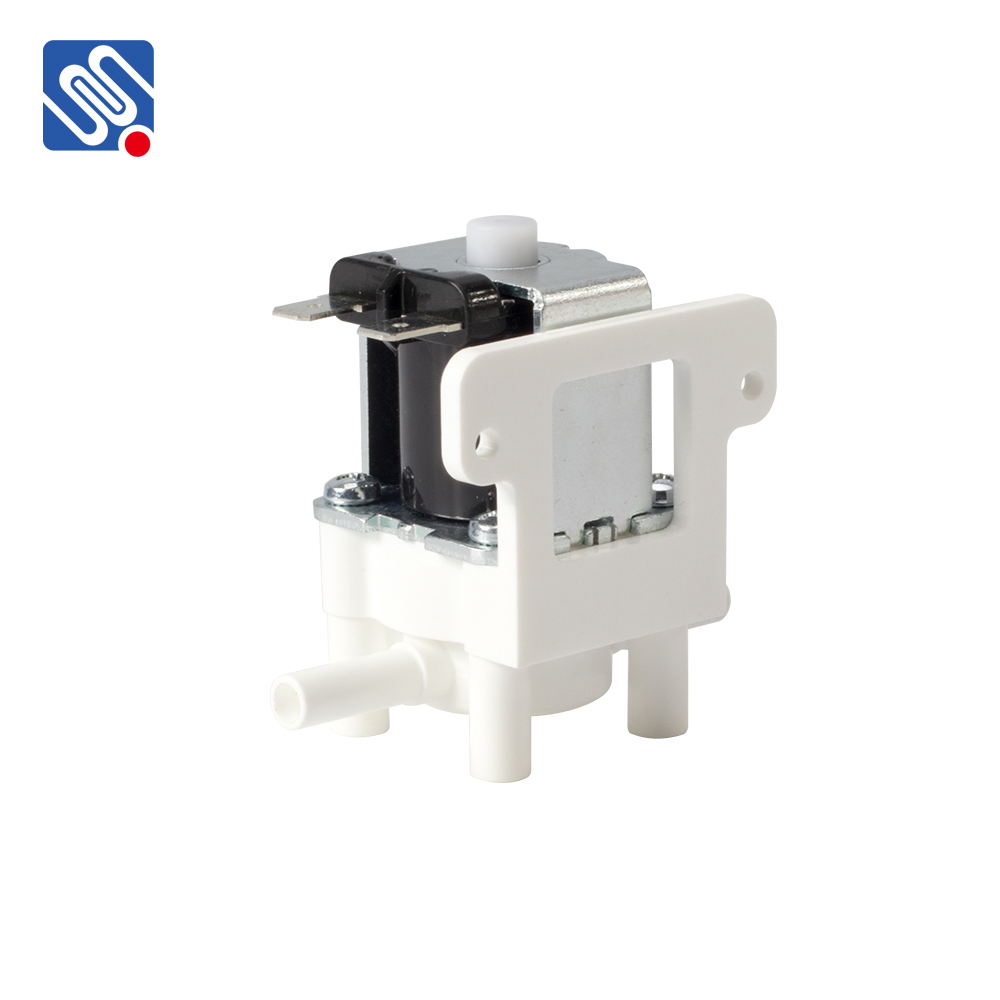
Understanding Plastic Water Flow Control Valves Plastic water flow control valves are engineered to manage and regulate the flow of water or other liquids through a piping system. By adjusting the valve’s opening, users can modify the flow rate to meet specific requirements. These valves come in various designs, including ball valves, gate valves, and globe valves, each tailored to different operational needs. Key Features and Benefits Durable Materials: Plastic valves are typically made from materials such as PVC (Polyvinyl Chloride), PP (Polypropylene), or PE (Polyethylene). These materials exhibit excellent resistance to corrosion, making them suitable for environments where chemical interactions occur, such as in agricultural chemical applications or water treatment facilities.