In today’s industrial environment, safety is paramount, particularly when it comes to maintaining and servicing machinery. While modern machines and equipment are engineered with several safety features, the human element plays a critical role in ensuring a safe working environment. One essential tool in this scenario is the industrial lockout hasp. These devices are integral to a comprehensive lockout/tagout (LOTO) program, aimed at preventing the accidental startup of equipment during maintenance or repair.
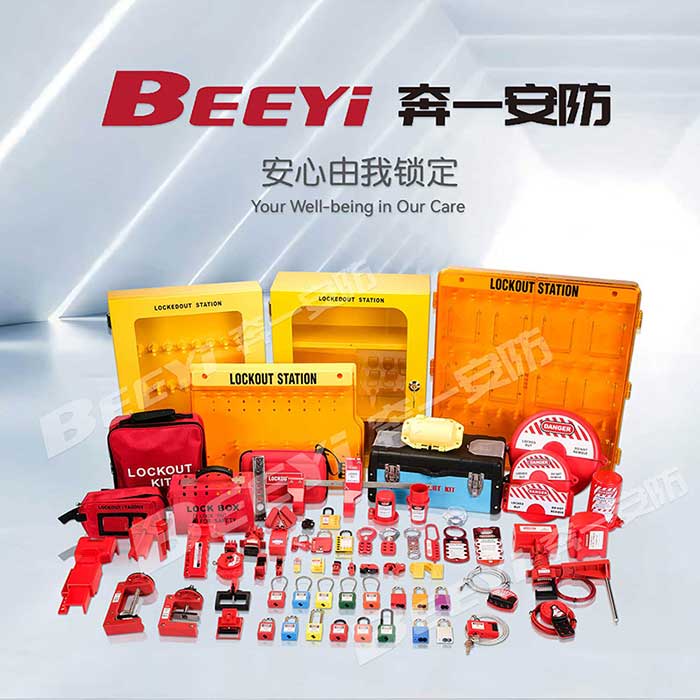
What are Industrial Lockout Hasps? Industrial lockout hasps are devices designed to lock out machinery and equipment, effectively preventing inadvertent operation while maintenance work is being conducted. The primary function of a lockout hasp is straightforward yet crucial: it allows authorized personnel to isolate equipment from its energy source and secure it with a lock, thereby ensuring that others cannot operate the machinery while repairs are ongoing. Typically made of durable materials like steel or rugged plastic, industrial lockout hasps come equipped with multiple lock holes, allowing different users to attach their locks simultaneously. This is especially important in situations where multiple technicians are working on the same piece of equipment. Each technician can lock the hasp with their own lock, providing a guarantee that the equipment remains in a safe state until each individual has completed their work and removed their lock.