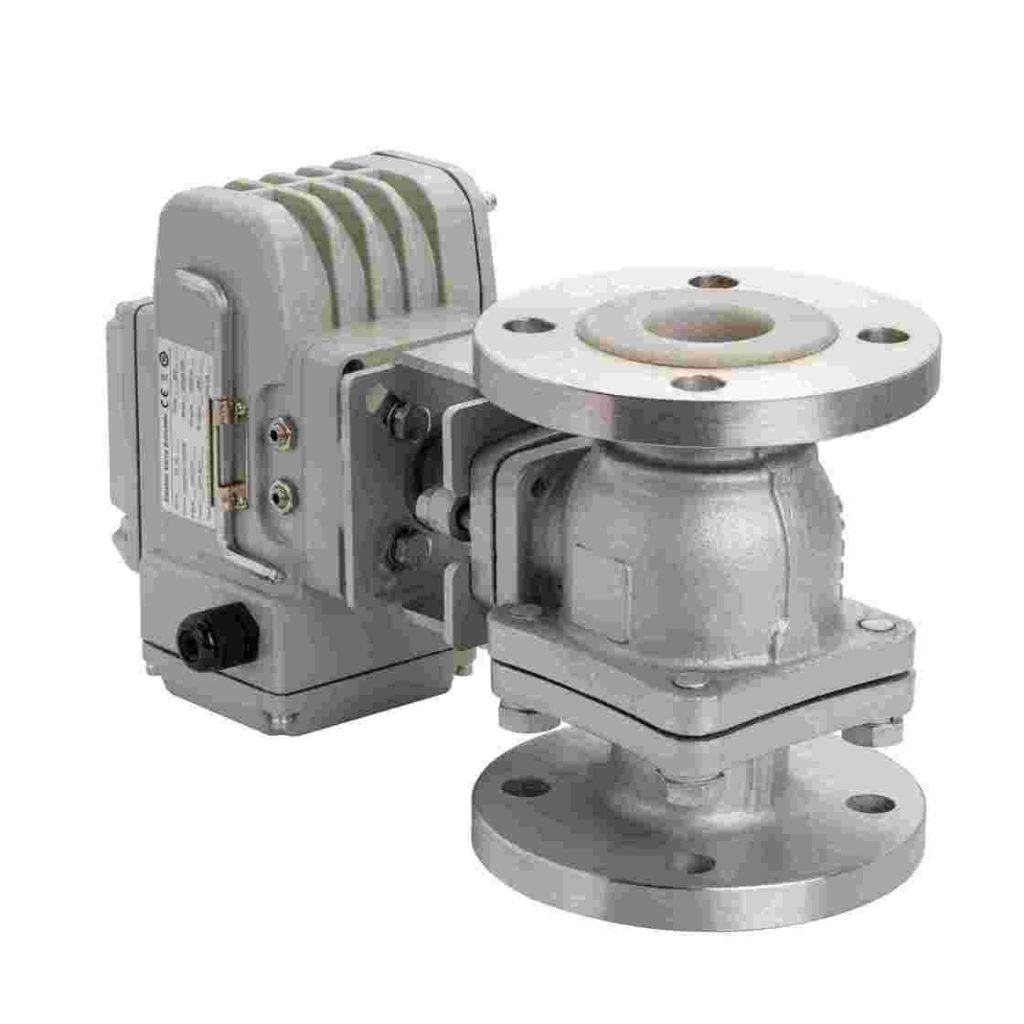
In the realm of industrial automation, the Electric Flange Ball Valve has emerged as a vital component for controlling the flow of fluids and gases. This type of valve marries the advantages of a robust flanged connection with the efficiency of electric actuation, making it an ideal choice for various applications in sectors such as water treatment, oil and gas, chemical processing, and HVAC systems. Understanding the characteristics, advantages, and applications of Electric Flange Ball Valves is crucial for engineers and operators looking to optimize their piping systems.
What is an Electric Flange Ball Valve?
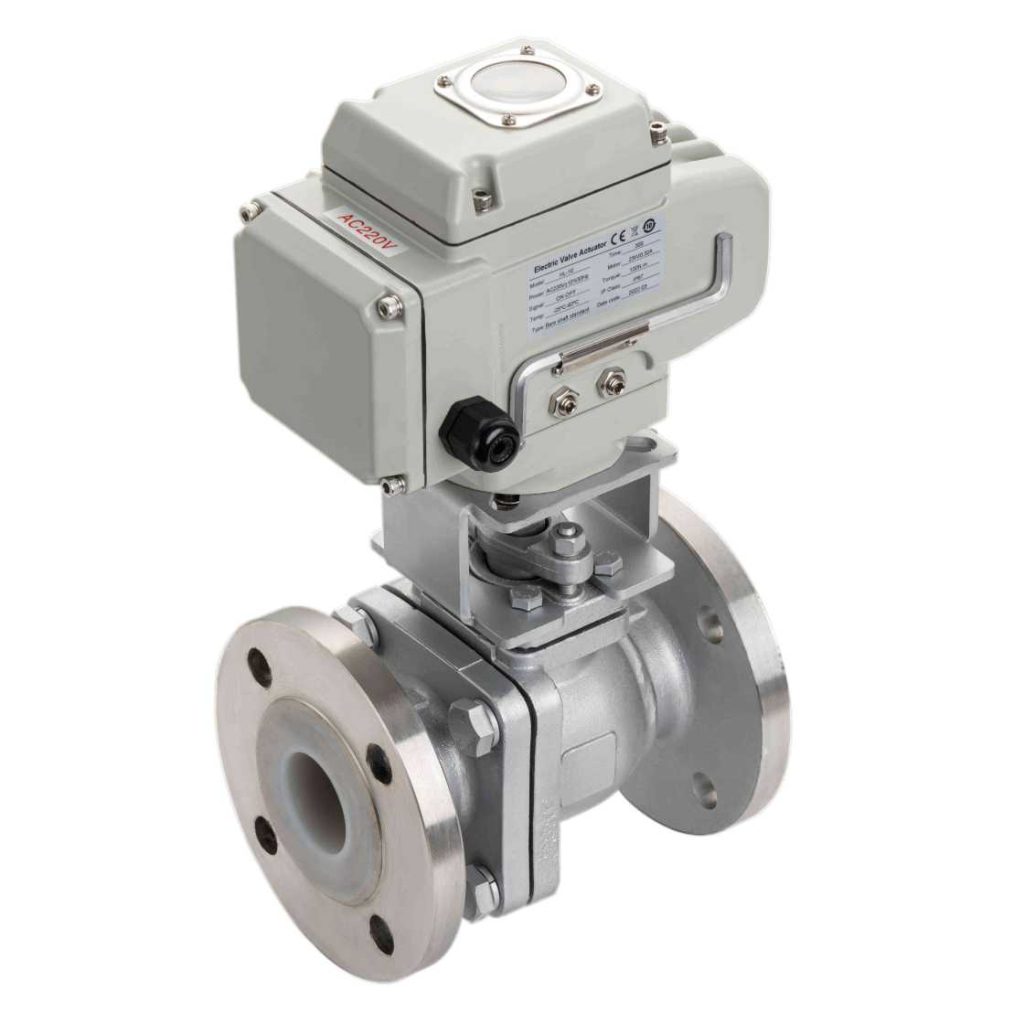
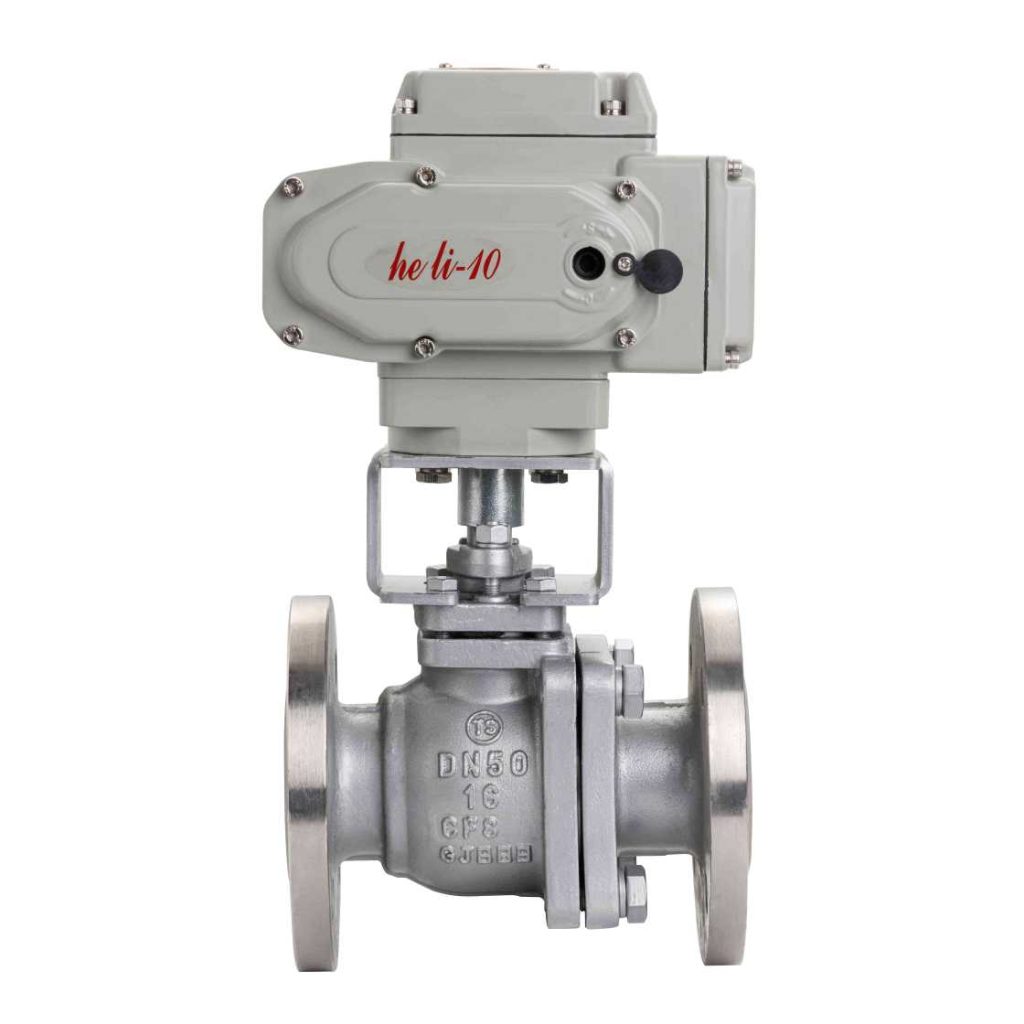
An Electric Flange Ball Valve is a type of quarter-turn valve that features a spherical disc, or ball, with a hole drilled through its center. When the valve handle or actuator is turned, the ball rotates to either allow or block the flow of fluid. The design is particularly efficient due to its simple operation and ability to provide a tight seal when closed, preventing leaks. The term “flange” refers to the flat rim or edge of the valve that allows for a secure connection to the pipe system, typically facilitated by bolts. Key Features Flanged Connection: The flanged design provides a strong and secure attachment to the piping system, ensuring there are no gaps or weaknesses that could lead to leaks. This durability is essential in high-pressure applications.