In diverse industrial and commercial settings, safety is paramount. An essential component of this safety framework is the Lockout/Tagout (LOTO) procedure, which ensures that hazardous machinery is properly shut off and not able to be started up again before maintenance or servicing is complete. At the core of this procedure lies a critical tool: the LOTO padlock. This article will delve into what LOTO padlocks are, their significance, and best practices for implementing a successful lockout/tagout program.
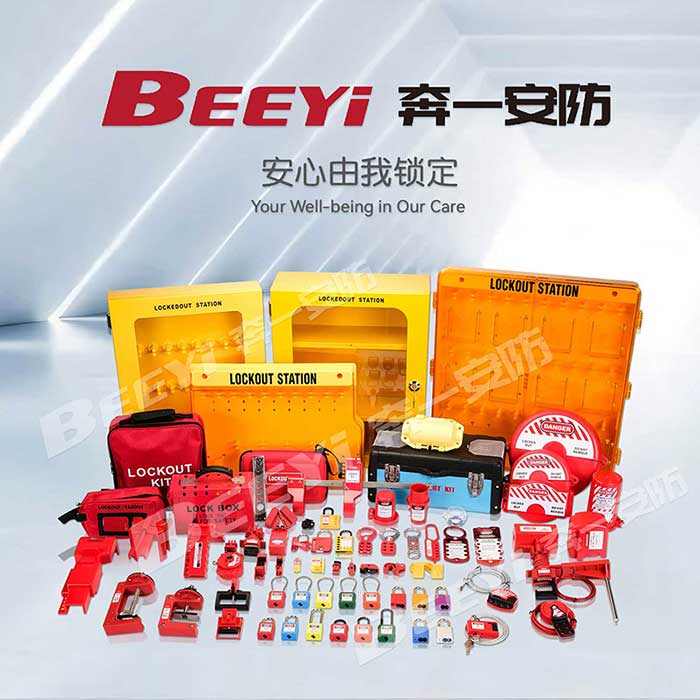
What is a LOTO Padlock? A LOTO padlock, also known as a lockout padlock, is a specialized locking device used in conjunction with a tag to prevent the accidental activation of machinery or equipment during maintenance operations. These padlocks are typically brightly colored, often in red or yellow, to signify that they are part of a safety protocol. They are designed to fit over the locking mechanisms of energy-isolating devices, ensuring that they cannot be restored to an operational state without the proper key or code. Importance of LOTO Padlocks The primary purpose of LOTO padlocks is to protect employees by minimizing the risk of accidental machine start-ups during servicing. Every year, countless injuries occur due to improper lockout procedures. Implementing LOTO padlocks is a crucial part of a broader safety strategy that not only complies with safety regulations—such as the OSHA (Occupational Safety and Health Administration) standards in the United States—but also fosters a culture of safety. By using LOTO padlocks, companies can reduce their potential liability, ensure compliance with safety standards, and maintain operational productivity by minimizing downtime from accidents.