Relay circuits are fundamental components in modern electronics, providing an essential function in automating systems and controlling high-power devices with low-power signals. Relay circuit design focuses on creating circuits that use relays to switch devices on or off, offering a reliable and efficient way to control larger electrical systems from smaller, low-voltage control circuits. In this article, we will explore the key principles, considerations, and steps involved in relay circuit design.
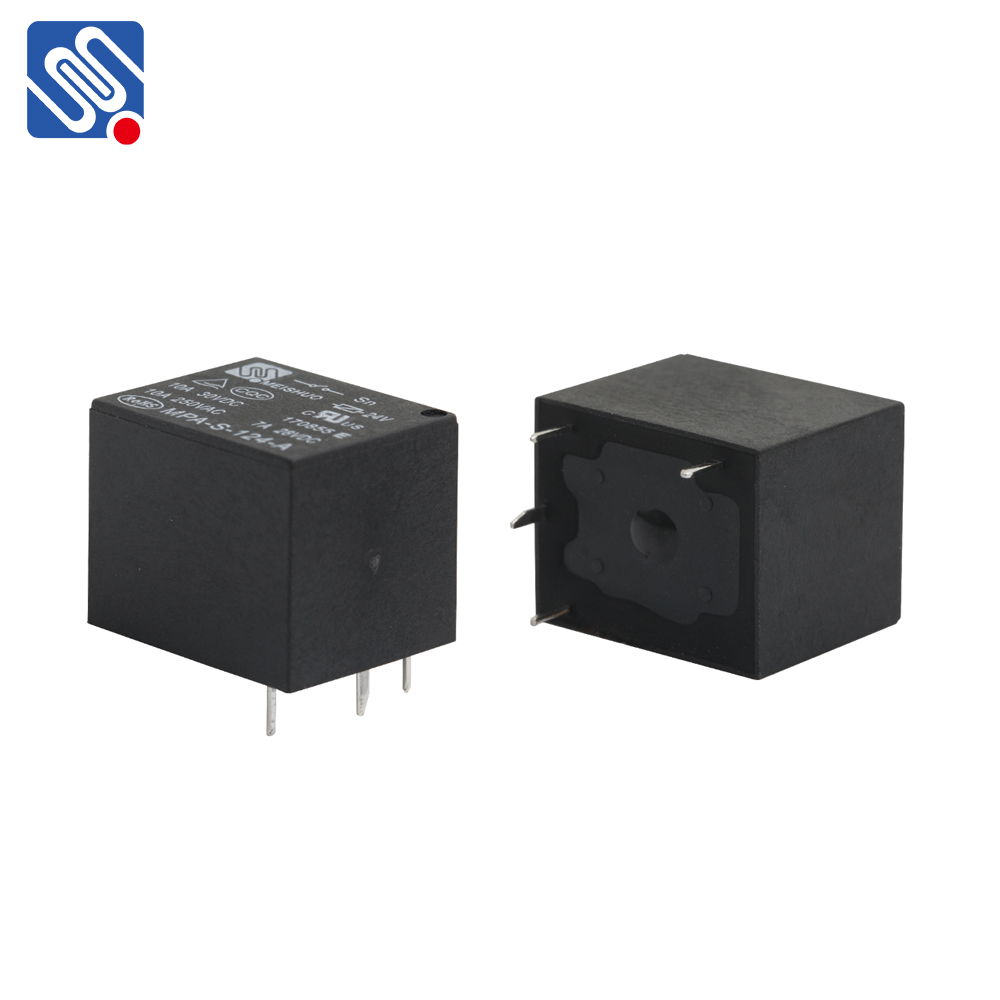
Understanding the Relay A relay is an electromechanical switch that uses an electromagnet to open or close a set of contacts. When a small current passes through the coil of the relay, it creates a magnetic field that activates the switch, allowing current to flow through a separate, high-power circuit. This makes relays ideal for applications where it is necessary to control high-voltage or high-current devices with low-voltage signals, such as microcontroller outputs. The relay is typically composed of a coil, contacts (usually made of silver or copper), and a spring mechanism. The coil, when energized, generates a magnetic field that pulls or releases the contacts, which are connected to the load. The contacts are often categorized into two types: Normally Open (NO) and Normally Closed (NC). NO contacts are open when the relay is not energized and close when activated, while NC contacts are the opposite, closing when the relay is off and opening when the relay is powered.