The WCB Electric Single Seat Regulating Valve is an essential component in fluid control systems across various industries. These valves are designed to offer precise flow regulation, making them vital in applications where maintaining a specific fluid flow is crucial. In this article, we will explore the features, functionalities, and applications of the WCB Electric Single Seat Regulating Valve, highlighting its significance in modern industrial processes.
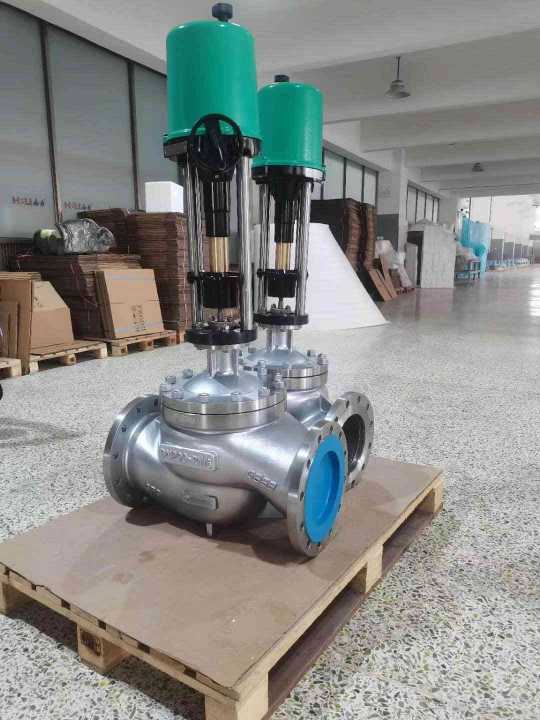
Construction and Design The WCB Electric Single Seat Regulating Valve is characterized by its single-seat design, comprising a stationary valve seat and a movable valve plug. This design enables the valve to efficiently control the flow of fluids by adjusting the opening between the valve plug and seat. The construction of the valve is robust, made from durable materials such as carbon steel, stainless steel, or other alloys, ensuring it can withstand high pressure and temperature conditions typical in industrial environments. An integral part of the WCB Electric valve is its electric actuator. This actuator receives electronic signals from a control system or a process controller, allowing for remote and automated control of the valve’s position. Through the actuator, the valve can be precisely opened or closed, thus regulating the flow rate of the fluid passing through it. This feature makes the WCB Electric Valve particularly suitable for automated processes where precision is paramount.