In recent years, technological advancements have revolutionized the way we interact with our environments, particularly through the integration of voice recognition systems. One of the most significant innovations in this domain is the development of Voice Control Relay systems. This technology combines the power of voice commands with relay control mechanisms to create seamless automation of various electrical devices. As the world increasingly gravitates toward smart homes and the Internet of Things (IoT), understanding the functionality, applications, and implications of Voice Control Relay systems is essential.
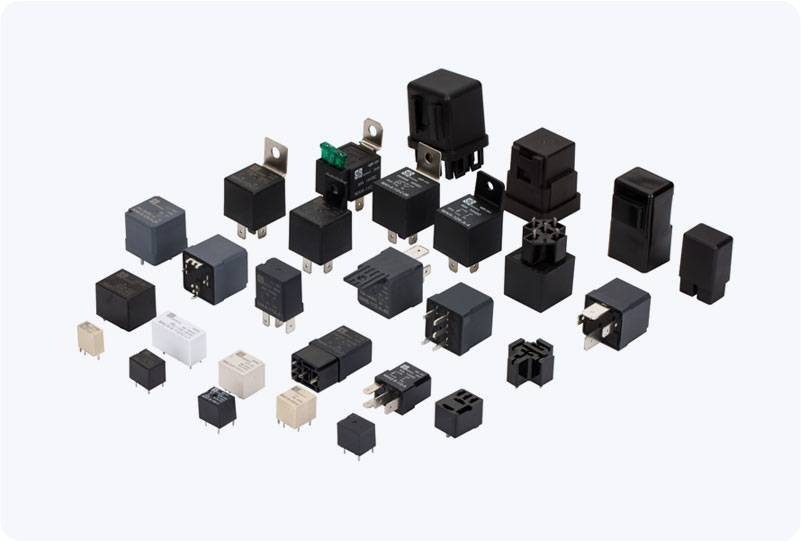
Understanding Voice Control Relay At its core, a Voice Control Relay is designed to interpret voice commands and translate them into actionable electrical signals that can control various devices. The system generally consists of a voice recognition module, a microcontroller or processing unit, a relay module, and electrical appliances requiring control. Voice Recognition: The heart of a Voice Control Relay system is its voice recognition technology. Utilizing a microphone, the system captures audio input from the user and processes it through algorithms that convert spoken words into text. Modern voice recognition technologies employ sophisticated natural language processing (NLP) techniques, enabling them to understand context, accents, and variations in speech.