In the world of electrical engineering, a Motor Starter Relay plays a crucial role in the operation and protection of electric motors. These devices are used to control the starting and stopping of motors, ensuring smooth operation and safeguarding them from potential damage due to overloads or faults. In this article, we will explore the function, types, and importance of Motor Starter Relays, shedding light on why they are indispensable in both industrial and domestic electrical systems.
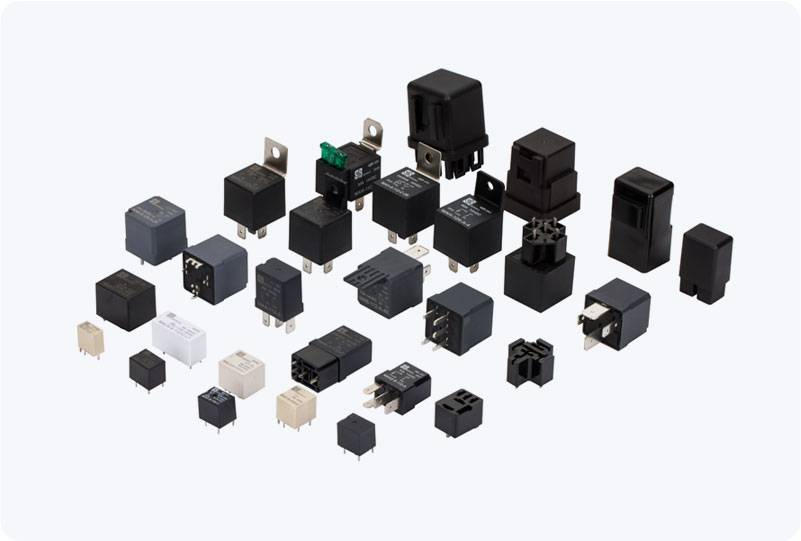
What is a Motor Starter Relay? A Motor Starter Relay is an electromechanical device that is typically employed to control the start and stop functions of an electric motor. It is a critical component in motor protection systems, ensuring that the motor operates under safe conditions. The relay is activated when the motor is required to start, and it disconnects the power supply when the motor needs to stop. These relays are designed to detect faults such as overheating or overcurrent and disconnect the motor from the power supply to prevent damage. Motor Starter Relays also allow for more efficient starting procedures by controlling the flow of current to the motor, minimizing the initial surge that can cause damage to the motor windings.