In the realm of industrial automation, the need for precise control over fluid flow is paramount. One of the pivotal components that facilitate this level of control is the Stainless Steel Electric Two-Seat Regulating Valve. This article delves into the characteristics, functionality, applications, advantages, and considerations involved in the selection of these vital apparatuses.
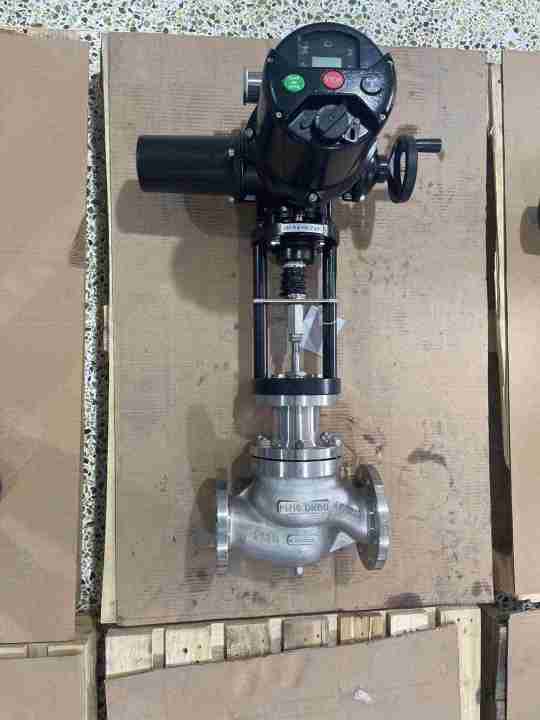
What is a Stainless Steel Electric Two-Seat Regulating Valve? A Stainless Steel Electric Two-Seat Regulating Valve is an essential type of valve used to regulate the flow of fluids in various industrial applications. The construction of this valve typically includes two seats and a single valve plug, which effectively allows for a greater flow capacity and reduced pressure drop across the valve. The use of stainless steel in its manufacturing provides superior resistance to corrosion, making it suitable for harsh environments. How Does It Work? The operating principle of the Stainless Steel Electric Two-Seat Regulating Valve is fairly straightforward yet highly effective. The valve is equipped with an electric actuator that adjusts the position of the valve plug. Upon receiving control signals from a process control system, such as a PLC or DCS, the actuator modifies the valve’s opening. This adjustment enables precise control over the fluid’s flow rate, pressure, or temperature.