Lock Out Tag Out (LOTO) is a critical safety procedure designed to prevent the accidental startup or release of hazardous energy while maintenance or repair work is being conducted on machinery and equipment. The implementation of LOTO is paramount for ensuring the safety and well-being of workers in various industrial settings, including manufacturing, construction, and utilities. This article will explore the significance of LOTO, the steps involved in its application, and the legal regulations surrounding it.
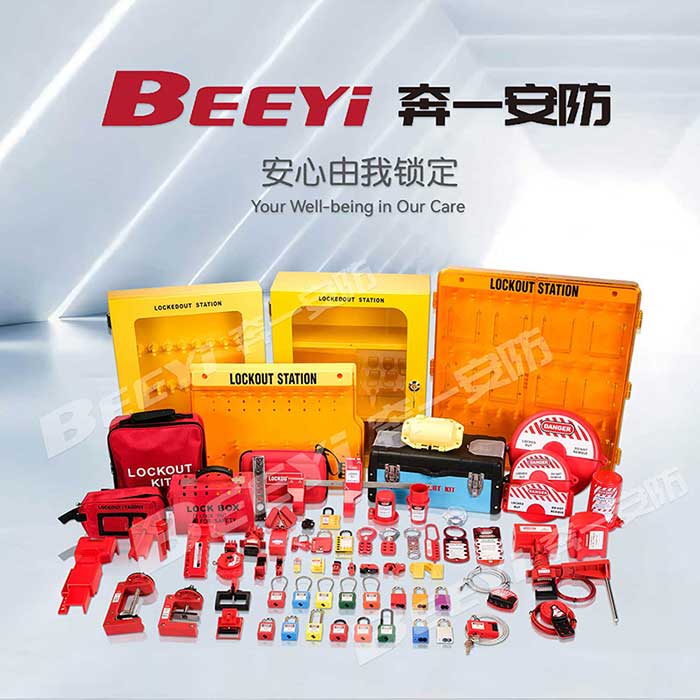
One of the primary roles of LOTO is to protect employees from the unexpected energization or startup of machinery during maintenance activities. Without proper safeguards in place, workers are at risk of severe injuries or even fatalities. This makes it crucial for organizations to adopt and enforce LOTO protocols rigorously. The core concept lies in isolating the energy sources associated with the machinery—be it electrical, mechanical, hydraulic, or pneumatic—by physically locking them in a safe state and tagging them to inform others that maintenance work is ongoing. The LOTO procedure typically consists of several essential steps. The first step involves identifying the machinery that requires maintenance and understanding its energy sources. Workers and maintenance personnel must be fully familiar with the equipment’s operational mechanics and potential hazards.