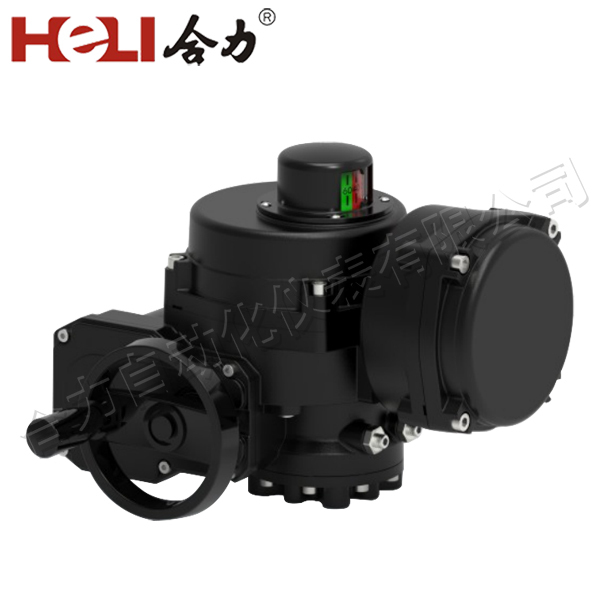
In an age where sustainable solutions are becoming increasingly vital, the pursuit of clean energy alternatives is at the forefront of global innovation. Among these, the Hydrogen Energy Electric Actuator represents a significant stride toward greener technologies in industrial automation and beyond. This article explores the principles, benefits, applications, and challenges of hydrogen energy electric actuators, painting a picture of their potential role in transforming the landscape of energy consumption and mechanical operation.
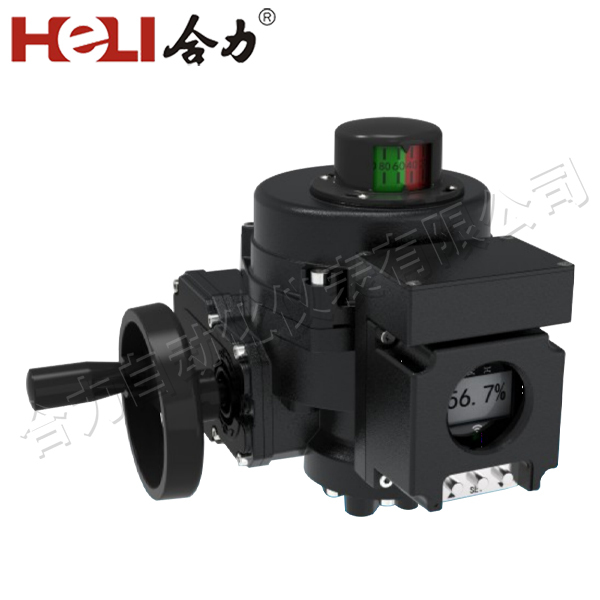
Understanding Hydrogen Energy Electric Actuators
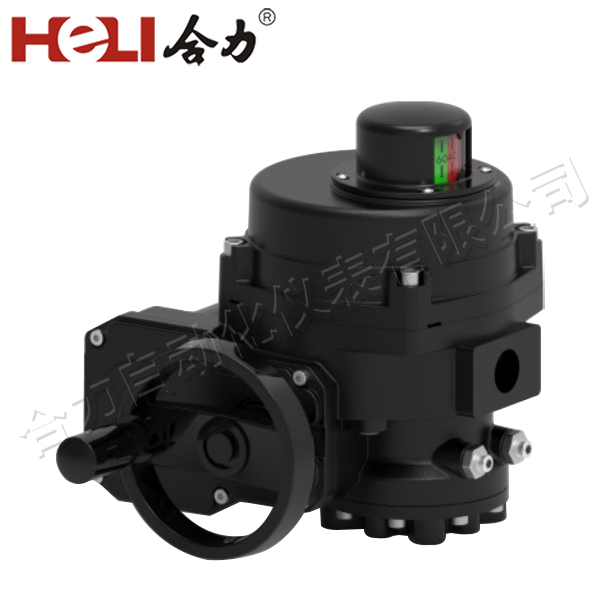
A hydrogen energy electric actuator is a mechanical device that converts energy stored in hydrogen gas into motion. This actuator typically integrates a hydrogen fuel cell, which generates electricity through an electrochemical reaction between hydrogen and oxygen. The produced electricity then powers an electric motor, enabling the actuator to perform tasks such as linear displacement or rotational movement. Designed for versatility, these actuators can fit seamlessly into a range of systems, from robotic arms to valve control in industrial processes. Advantages of Hydrogen Energy Electric Actuators