In today’s rapidly evolving technological landscape, efficient energy management plays a crucial role in ensuring the sustainability and reliability of electrical systems. One of the key components facilitating effective energy management is the Power Monitoring Relay (PMR). These devices have become essential in various sectors, including industrial, commercial, and residential applications. This article delves into the functionalities, benefits, applications, and considerations for selecting a Power Monitoring Relay.
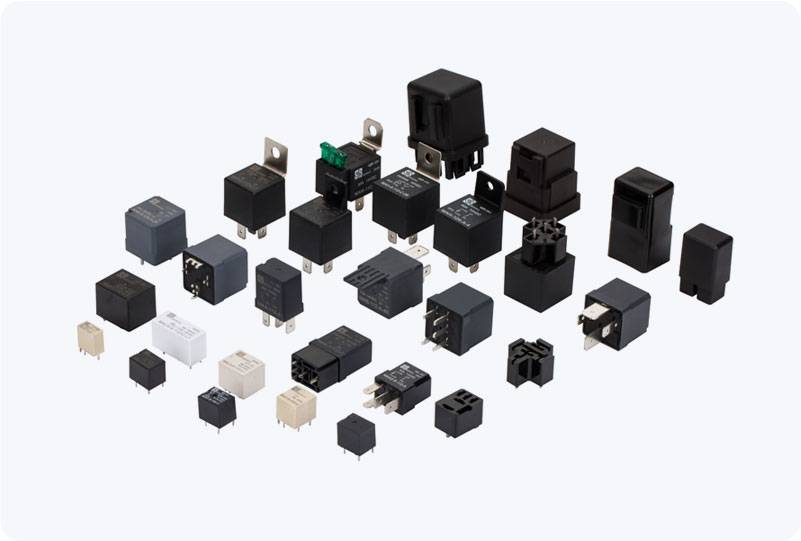
What is a Power Monitoring Relay? A Power Monitoring Relay is an advanced electronic device designed to monitor and assess various electrical parameters in real-time. It provides critical data on voltage, current, power consumption, frequency, and power factor. By continuously evaluating these parameters, PMRs enable system operators to maintain optimal performance and preemptively address potential issues that could disrupt the electrical supply. Key Functions of Power Monitoring Relays Real-Time Monitoring: The primary function of PMRs is to collect data on electrical parameters, allowing users to have an up-to-date understanding of their system’s performance. This real-time information is invaluable for identifying inefficiencies and potential faults in electrical systems.