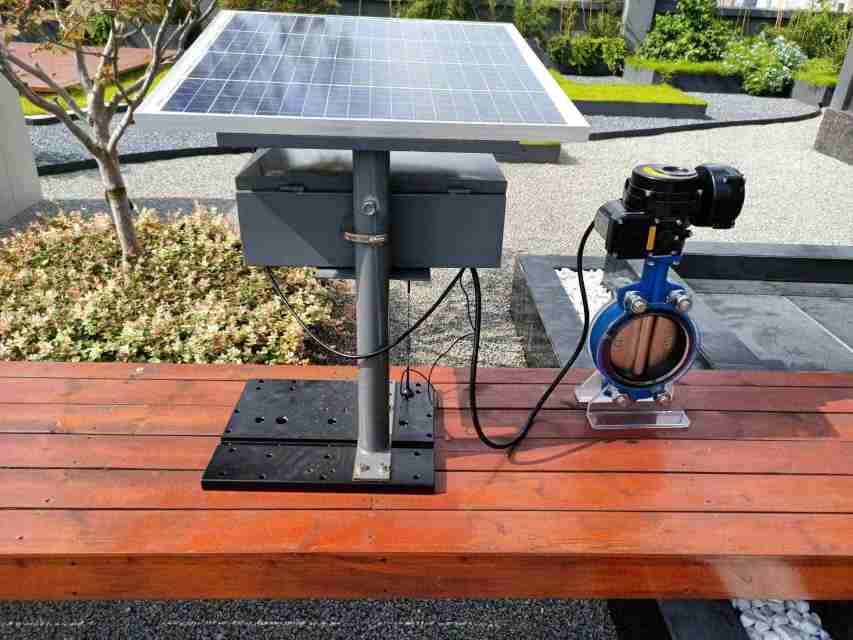
As the world pivots towards renewable energy sources, the integration of solar technology into traditional systems becomes increasingly vital. One innovative application of this trend is the Photovoltaic Electric Valve, a cutting-edge device combining solar power generation with automated fluid control. This article explores the functionality, advantages, applications, and future prospects of photovoltaic electric valves, illustrating their role in fostering a sustainable and efficient automated environment.
Understanding Photovoltaic Electric Valves
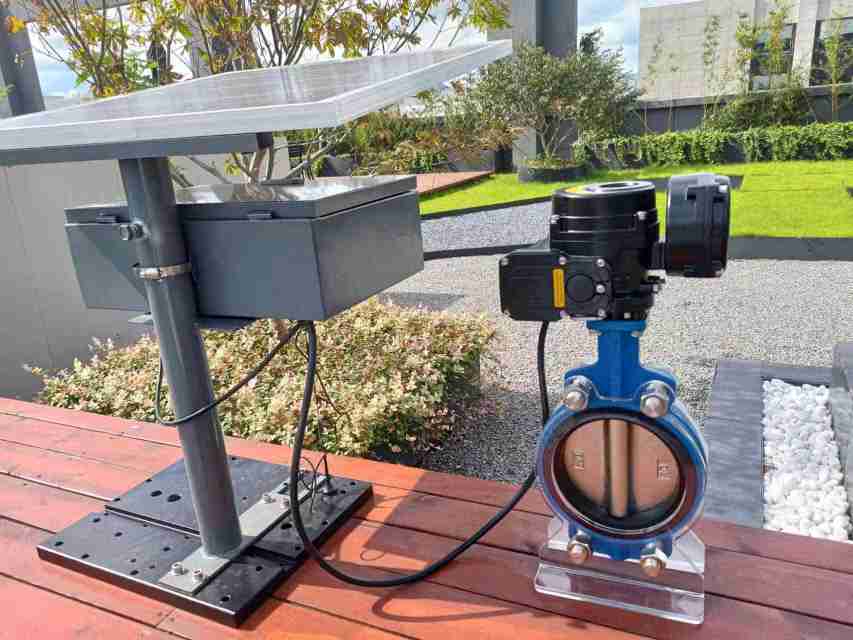
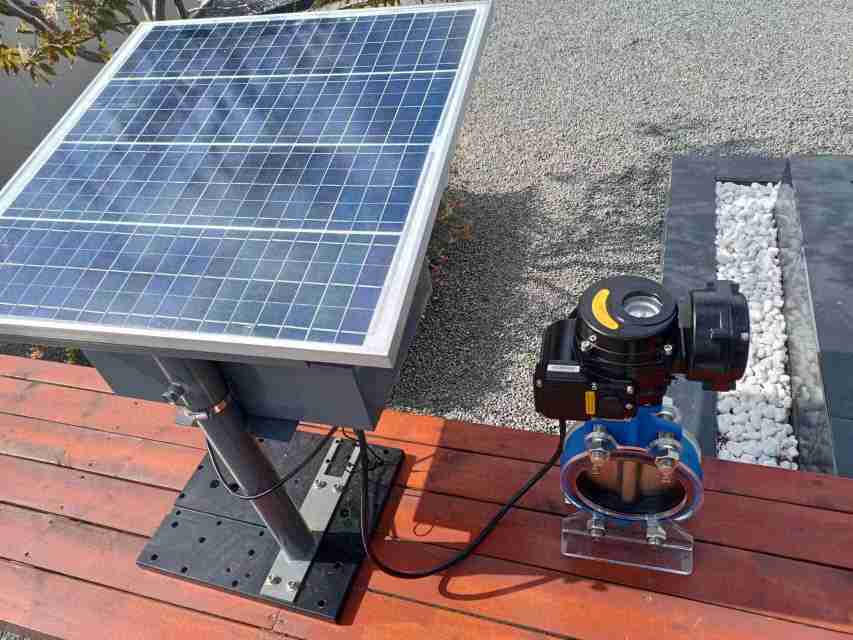
A Photovoltaic Electric Valve employs solar panels to generate electricity, which in turn operates an electric actuator to control the opening and closing of various types of valves—commonly used for liquids and gases. The fundamental operation of this system starts with the photovoltaic (PV) cells embedded within the valve assembly. These cells convert sunlight into electricity, which powers the valve, enabling it to open or close based on specific operational requirements. The design of these valves often includes a battery for energy storage. This feature allows the valve to function independently of direct sunlight, ensuring continuous operation during nighttime or cloudy conditions. The electric actuator receives signals from a control system, typically automated sensors or controllers, enabling a seamless integration into smart fluid management systems.