In today’s industrial landscape, workplace safety has never been more critical. Ensuring the safety and well-being of employees often requires the implementation of various precautionary measures, among which the Safety Padlock stands out as an essential tool. The Safety Padlock is not merely a lock; it embodies a comprehensive approach to hazard prevention and risk management, particularly in environments where machinery operation is prevalent. In this article, we will delve into the significance of Safety Padlocks, their types, applications, and best practices, demonstrating why they are indispensable in enhancing workplace safety.
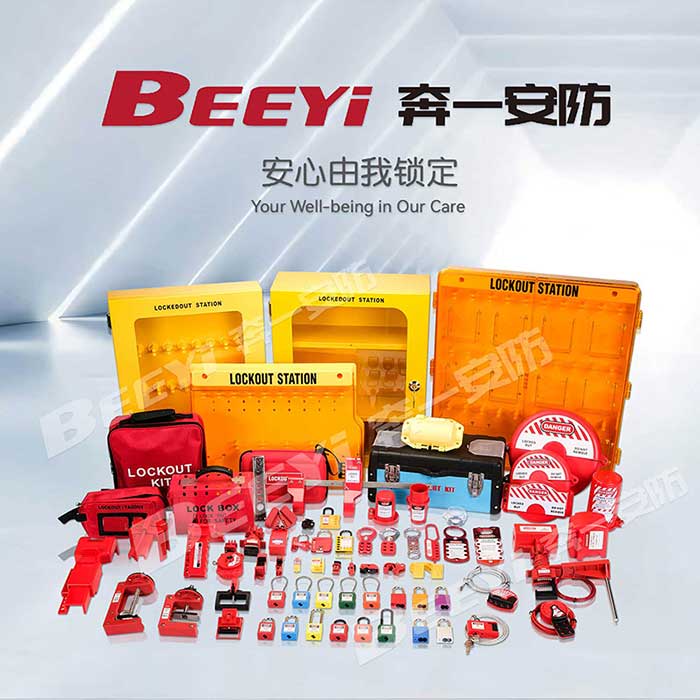
What is a Safety Padlock? A Safety Padlock is a specialized locking device designed to prevent unauthorized access and ensure the secure shutdown of machinery during maintenance or repair. These padlocks are typically brightly colored, often with unique identifiers, making them easily recognizable and helping to prevent accidents. By securing equipment when it is being serviced, Safety Padlocks play a vital role in Lockout/Tagout (LOTO) procedures, aimed at safeguarding workers from accidental machine start-up. The Role of Safety Padlock in Lockout/Tagout Procedures Lockout/Tagout (LOTO) procedures are critical in industries where machinery poses a significant risk to workers’ safety. The process generally involves: