In industrial settings, ensuring the safety of workers during maintenance and repair operations is a paramount concern. One of the simplest yet most effective tools used to protect workers from hazardous machinery and electrical systems is the safety padlock. This small but vital device plays a crucial role in lockout/tagout (LOTO) procedures, which are designed to prevent the accidental start-up of machinery or equipment during servicing. In this article, we will explore the importance of safety padlocks, their features, and how they contribute to workplace safety.
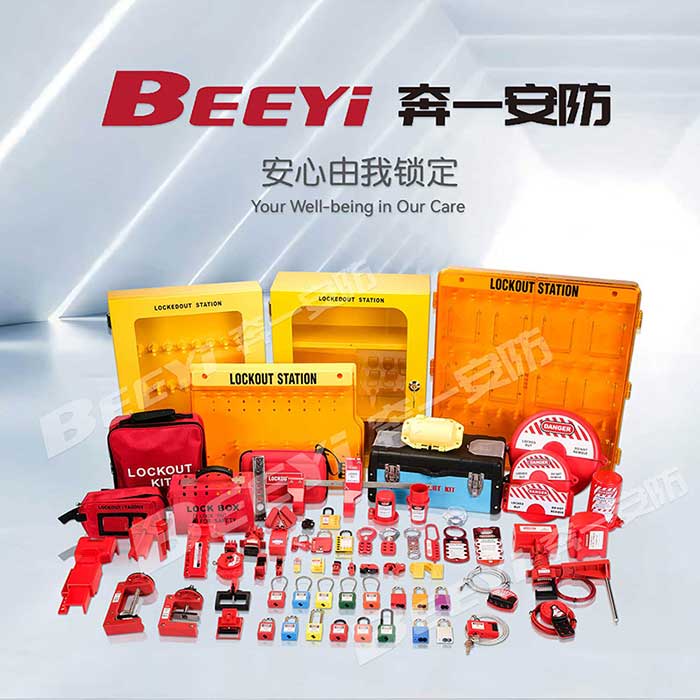
What is a Safety Padlock? A safety padlock is a lock specifically designed for use in lockout/tagout (LOTO) programs to ensure that equipment cannot be accidentally energized, started, or released while maintenance is being carried out. These padlocks prevent unauthorized or accidental access to hazardous machinery and electrical systems by keeping them locked during the repair process. The purpose of a safety padlock is to provide a clear indication that equipment is undergoing maintenance, protecting workers from potential accidents like electrical shocks, mechanical injuries, or falls.