In today’s dynamic industrial landscape, safety remains paramount. Among the myriad of tools designed to enhance workplace security, the Industrial Safety Padlock stands out as a critical component in preventive safety measures. Its application spans various sectors, including manufacturing, construction, and electrical utilities, where the machinery and equipment necessitate rigorous safety protocols to protect workers. This article delves into the significance, features, and best practices associated with the Industrial Safety Padlock.
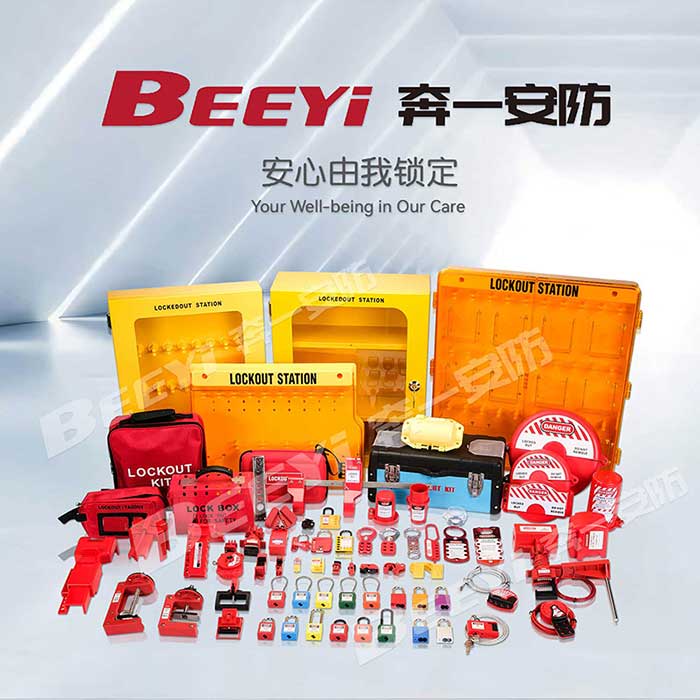
Understanding the Industrial Safety Padlock An Industrial Safety Padlock is specifically designed to safeguard equipment and machinery during maintenance or repair activities. It acts as a physical barrier, ensuring that machinery remains inoperative, thereby preventing accidental startups that could lead to severe injuries or fatalities. The basic function of a safety padlock is to lock out equipment, allowing only authorized personnel to access and maintain it, ensuring full adherence to Lockout/Tagout (LOTO) procedures. Key Features of Industrial Safety Padlocks Durability: Industrial safety padlocks are constructed from robust materials resistant to corrosion, rust, and impact. They may be made of heavy-duty plastic or metal that can withstand harsh environmental conditions found in industrial settings, including extreme temperatures and exposure to chemicals.