Relay connectors play an essential role in ensuring the proper functioning of electrical circuits, particularly in environments where automation and control are crucial. These connectors, used in conjunction with relays, provide a means to safely and securely connect various parts of an electrical system. In this article, we will explore what relay connectors are, their applications, types, and considerations for selecting the right connectors for specific needs.
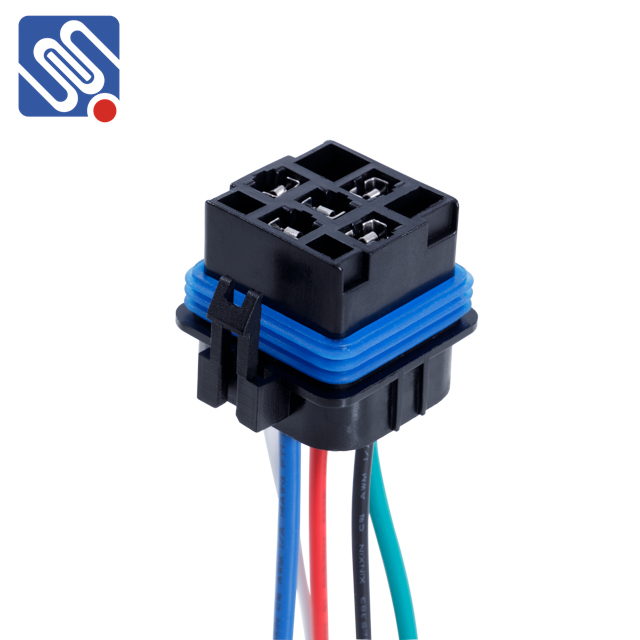
What Are Relay Connectors? A relay is an electrical switch that is operated by an electrical signal, typically used to control a larger current in a circuit. A relay connector, as the name suggests, is the component that enables the physical and electrical connection between a relay and other circuit elements, such as a power supply, sensors, or actuators. The primary function of a relay connector is to ensure a secure, reliable, and low-resistance connection between the relay and the system it controls. These connectors are designed to handle different levels of electrical load and mechanical stress, depending on the application. Relay connectors come in various shapes and sizes, and their design depends largely on the type of relay, the required current and voltage ratings, and the installation environment.
Leave a Reply