In today’s technological world, the safety and reliability of electrical systems are paramount. One critical component that plays a vital role in ensuring this safety is the Circuit Breaker Relay. This device serves as a protective measure that automatically interrupts electrical flow in the event of faults such as overloads or short circuits. This article delves into the functionality, types, applications, and advantages of Circuit Breaker Relays, highlighting their importance in both industrial and residential electrical systems.
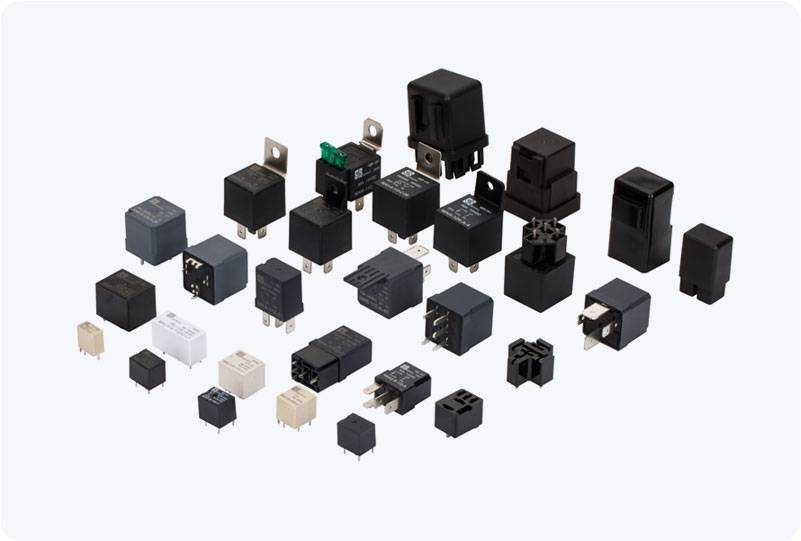
What is a Circuit Breaker Relay? A Circuit Breaker Relay is an electromechanical device designed to detect faults in an electrical circuit and promptly disconnect it from the power supply. Its primary function is to prevent damage to electrical equipment and reduce the risk of electrical fires. When an abnormal rise in current or a fault condition occurs, the relay senses the issue and activates a switch mechanism to break the circuit, thus preventing potential hazards. How Does a Circuit Breaker Relay Work? The operation of a Circuit Breaker Relay is fundamentally based on two main principles: current sensing and actuation.