In the realm of electrical engineering, particularly in high-voltage direct current (HVDC) applications, the High Voltage DC Main Relay plays a pivotal role. This specialized relay is designed for the critical task of controlling high voltage direct current, ensuring the safety, reliability, and efficiency of power systems. As the demand for more efficient energy transmission solutions grows, understanding the functionality and applications of High Voltage DC Main Relays becomes increasingly important.
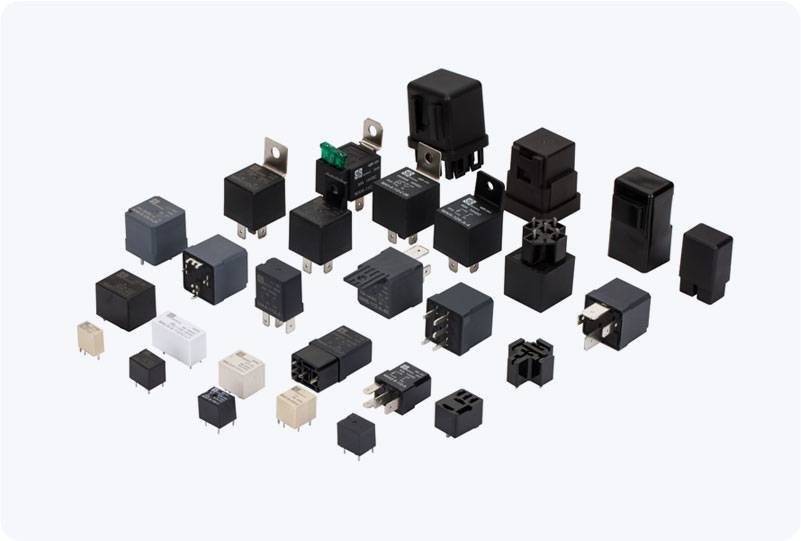
What is a High Voltage DC Main Relay? A High Voltage DC Main Relay is an electromechanical device that functions to open or close electrical circuits under high voltage direct current conditions. The primary purpose of this relay is to manage the flow of electricity between various components in power systems, such as converters, transformers, and batteries. By controlling the circuit’s connection and disconnection, the relay protects equipment from overloads, short circuits, and other potential hazards. Operating Principle The operating principle of a High Voltage DC Main Relay is based on electromagnetic mechanics. When an electrical current flows through the relay’s coil, it generates a magnetic field that activates the relay’s armature. This action opens or closes the circuit by moving the contact points. The speed and reliability of this operation are crucial in high voltage applications, as any delay could lead to severe system failures or safety incidents.