The advent of 5G technology has revolutionized the landscape of telecommunications, promising faster internet speeds, lower latency, and improved connectivity. Among the various components that contribute to the efficacy of 5G networks, the 5G base station relay plays a pivotal role in enhancing signal quality, extending coverage, and increasing capacity. This article delves into the functionalities, advantages, types, and challenges associated with 5G base station relays, showcasing their significance in the modern telecommunications ecosystem.
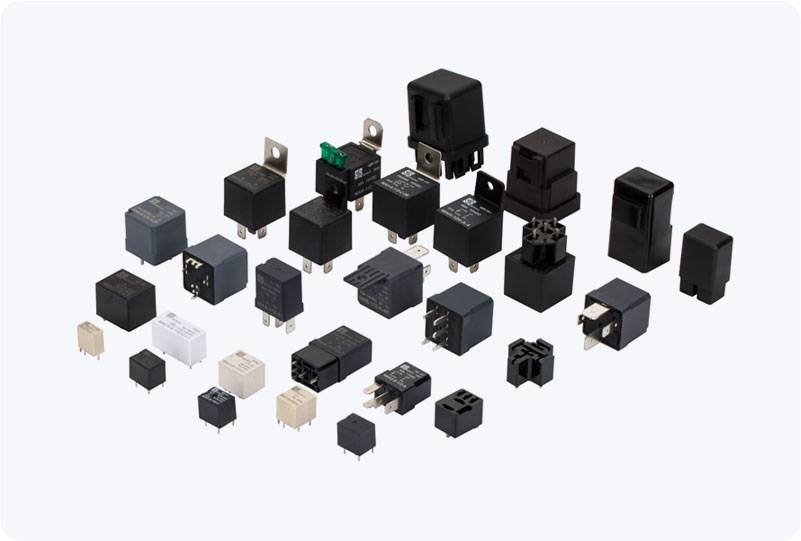
The Concept of 5G Base Station Relay A 5G base station relay is a network device that operates between the main base station and user equipment (UE). Its primary function is to receive signals from the main base station, amplify them, and transmit them to UEs, while also sending signals from UEs back to the main base station. This relay mechanism is crucial for areas where direct coverage from the main base station is inadequate, thereby enhancing overall network performance. Key Functions of 5G Base Station Relays Signal Amplification: One of the most vital roles of a relay is to amplify weaker signals, which is particularly important in urban settings with tall buildings or in rural areas with sparse infrastructure. By boosting the signal, relays ensure that users have a reliable and robust connection.