A relay is an electrical switch that opens and closes under the control of an external electrical signal. Relays are widely used in various electronic systems, particularly for isolating different circuits or controlling higher-power devices with low-power signals. The relay datasheet serves as a crucial document that provides all the essential details about the relay’s specifications, performance characteristics, and operational guidelines.
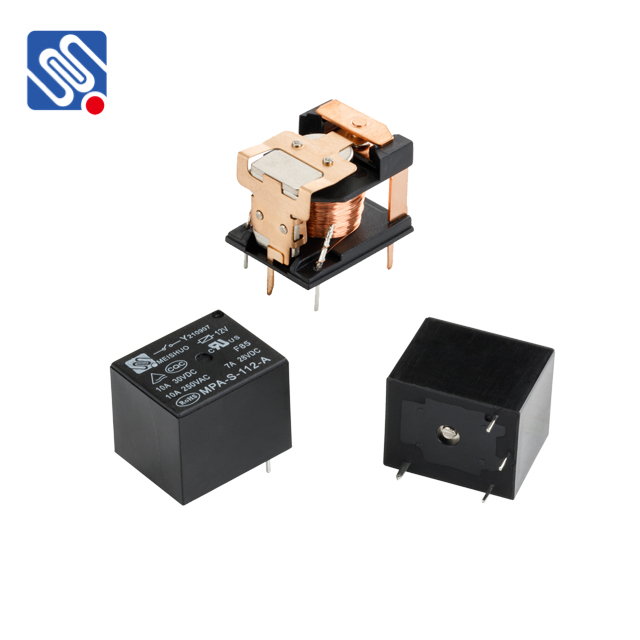
In this article, we will delve into the key sections of a relay datasheet and explain how to interpret its contents to select the appropriate relay for specific applications. 1. Relay Type and Part Number The first section of a relay datasheet typically includes the part number and the relay type. The part number is crucial for identifying the specific relay, as different manufacturers have their own naming conventions. The relay type can indicate whether the relay is electromagnetic, solid-state, or reed. Each type has distinct characteristics suited to different applications. For instance, an electromagnetic relay uses an electromagnet to actuate the switch mechanism, while a solid-state relay uses semiconductor components to perform the switching function, providing faster response times and greater durability.