In modern vehicles, electrical systems play a crucial role in the overall functioning of various components, from the engine management system to entertainment systems, lighting, and safety features. Within these electrical systems, relays and fuses are essential components that serve different but complementary purposes. Understanding how each works and how they differ can help car owners troubleshoot electrical issues and ensure the safety and efficiency of their vehicles.
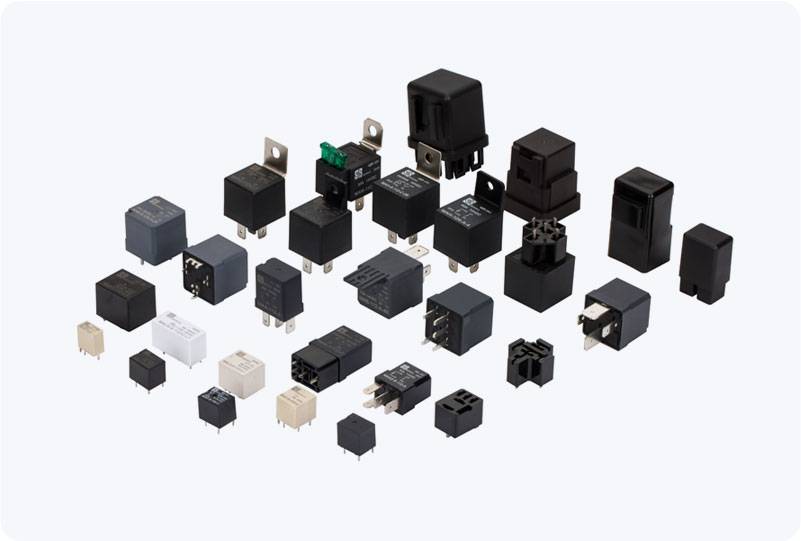
What is a Relay? A relay is an electrically operated switch that is used to control the flow of electricity within a circuit. It typically uses a small current to activate a larger current, making it particularly useful for controlling high-power devices without using heavy-duty switches. A relay consists of an electromagnet that, when energized, attracts or repels a set of contacts, thereby opening or closing the circuit. In the automotive world, relays are employed to control components like headlights, fuel pumps, power windows, and electric seats. For example, when you press the button to roll down your car’s window, you are sending a small electrical signal that activates the relay. The relay, in turn, allows a larger current to flow to the power window motor, enabling it to operate. By using relays, cars can control high-power devices efficiently and safely without needing to run large wires to every switch, which would be cumbersome and costly.