Automotive relays play a crucial role in a vehicle’s electrical system by controlling high-power circuits using low-power signals. They are essential for ensuring efficient operation of various vehicle components, such as lighting systems, air conditioning, and power windows. The coil of an automotive relay is one of the most critical components, as it determines the relay’s performance and efficiency. In this article, we will explore the key specifications of automotive relay coils and their importance in ensuring optimal relay function.
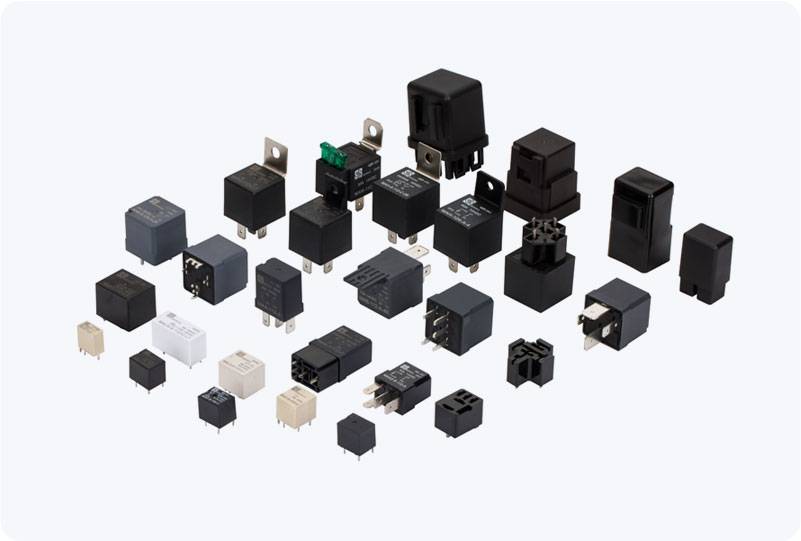
1. Coil Voltage The coil voltage is the voltage applied to the relay coil in order to activate it. Automotive relays are typically designed to operate with either 12V DC or 24V DC, depending on the vehicle’s electrical system. Most passenger cars use a 12V system, while commercial vehicles or heavy-duty trucks often use a 24V system. The coil voltage needs to match the vehicle’s electrical supply to ensure the relay functions correctly. Using a relay with an inappropriate coil voltage could result in malfunction or failure of the relay to operate. 2. Coil Resistance Coil resistance is a crucial specification that determines the amount of current flowing through the coil when a voltage is applied. It is measured in ohms and varies depending on the design of the relay. The resistance affects both the current draw of the relay and its power consumption. For automotive relays, coil resistance typically ranges from a few dozen ohms to several hundred ohms. Lower resistance generally results in higher current draw, while higher resistance leads to lower current draw. Understanding coil resistance helps engineers design relays that do not overload the vehicle’s electrical system.