Industrial relays are crucial components in modern electrical systems, widely used in automation, protection, and control applications. They help to manage electrical circuits by switching devices on or off, protecting systems from faults, and ensuring safe operation in complex environments. The IEEE (Institute of Electrical and Electronics Engineers) has developed several key standards for industrial relays, focusing on performance, reliability, and testing methodologies. These standards play a significant role in ensuring the safe and efficient operation of electrical systems across industries. This article will explore the importance of IEEE standards for industrial relays and their impact on the development and application of these vital components.
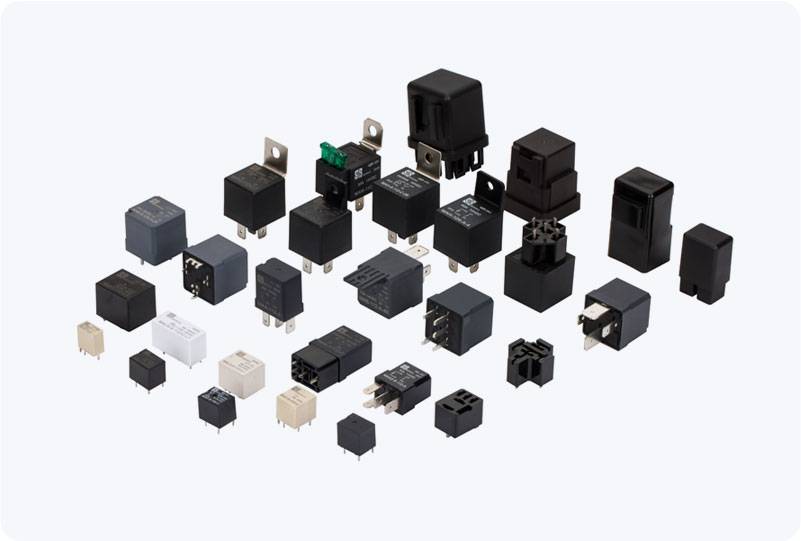
The Role of Industrial Relays in Electrical Systems Industrial relays serve as the backbone of control and protection systems in electrical engineering. They are commonly used to detect faults, overloads, or abnormal conditions in power systems and respond by switching devices to either isolate the problem or protect the rest of the system. Relays can be electromechanical, solid-state, or microprocessor-based, and they are essential in industries such as manufacturing, transportation, utilities, and energy. Given their critical function, the design and application of industrial relays must meet stringent performance criteria. This is where IEEE standards become indispensable. The IEEE has created a set of guidelines that help manufacturers produce high-quality relays, ensuring their reliability and safety in operation.