In the realm of electrical engineering, relays play a crucial role as integral components in various applications, particularly in high voltage and high current scenarios. Among these, the 1000V 500A DC relay stands out due to its ability to handle substantial electrical loads in demanding environments. This article delves into the vital aspects of the 1000V 500A DC relay, including its working principles, applications, construction, selection criteria, and safety considerations.
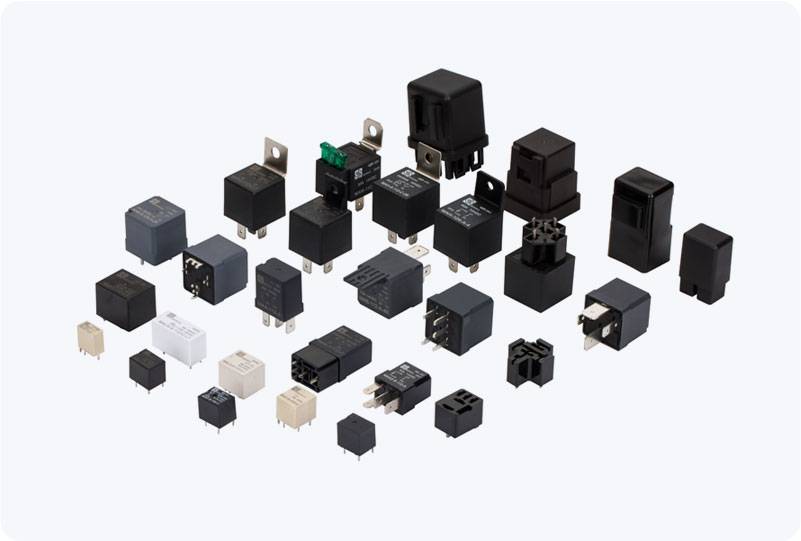
Working Principles The 1000V 500A DC relay operates on the principle of electromagnetism. When a voltage is applied to the relay coil, it generates a magnetic field that attracts a movable armature. This movement closes or opens the contact points, allowing or interrupting the flow of electrical current to the connected load. The relay’s ability to handle high voltages and currents makes it an essential device for switching applications in various industries. Applications The versatility of the 1000V 500A DC relay makes it suitable for numerous applications. Some prominent use cases include: