Lockout Hasps play a critical role in ensuring safety in workplaces where hazardous energy sources, such as electricity, steam, or compressed air, are used. These devices are part of a larger safety procedure known as lockout/tagout (LOTO), which is designed to prevent accidental equipment start-up during maintenance, repair, or servicing. Lockout Hasps, in particular, are versatile tools that allow workers to safely lock out energy sources, ensuring that machinery and equipment cannot be operated by others while repairs or maintenance are underway.
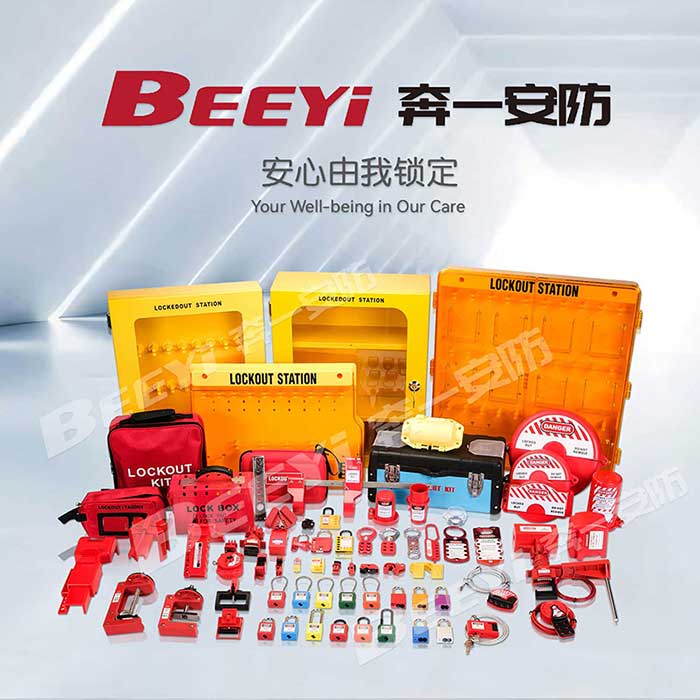
What Are Lockout Hasps? A Lockout Hasps is a mechanical device that attaches to the energy-isolating mechanism of a machine or equipment, preventing the system from being turned on while it is being serviced. The Hasps feature multiple holes where workers can attach their own individual locks, ensuring that no one else can inadvertently turn on the equipment until all locks have been removed. Lockout Hasps are typically made from durable materials like steel, making them resistant to wear and able to withstand industrial environments. Importance of Lockout Hasps in Industrial Safety In industrial environments, maintenance work on machinery or electrical systems often requires workers to disconnect or disable energy sources. If these energy sources are not properly isolated, workers may be at risk of injury from unintended machine startup, electrocution, or other hazardous events. Lockout Hasps are an integral part of the lockout/tagout system, which aims to prevent such accidents by controlling hazardous energy and providing a clear, visual indicator of the system’s status.