A 12V 40A relay is a powerful and versatile electrical component commonly used to control high-voltage and high-current circuits with a low-voltage signal. This article will delve into the characteristics, working principles, and applications of the 12V 40A relay, and explain why it’s a critical element in many automotive, industrial, and electronic systems.
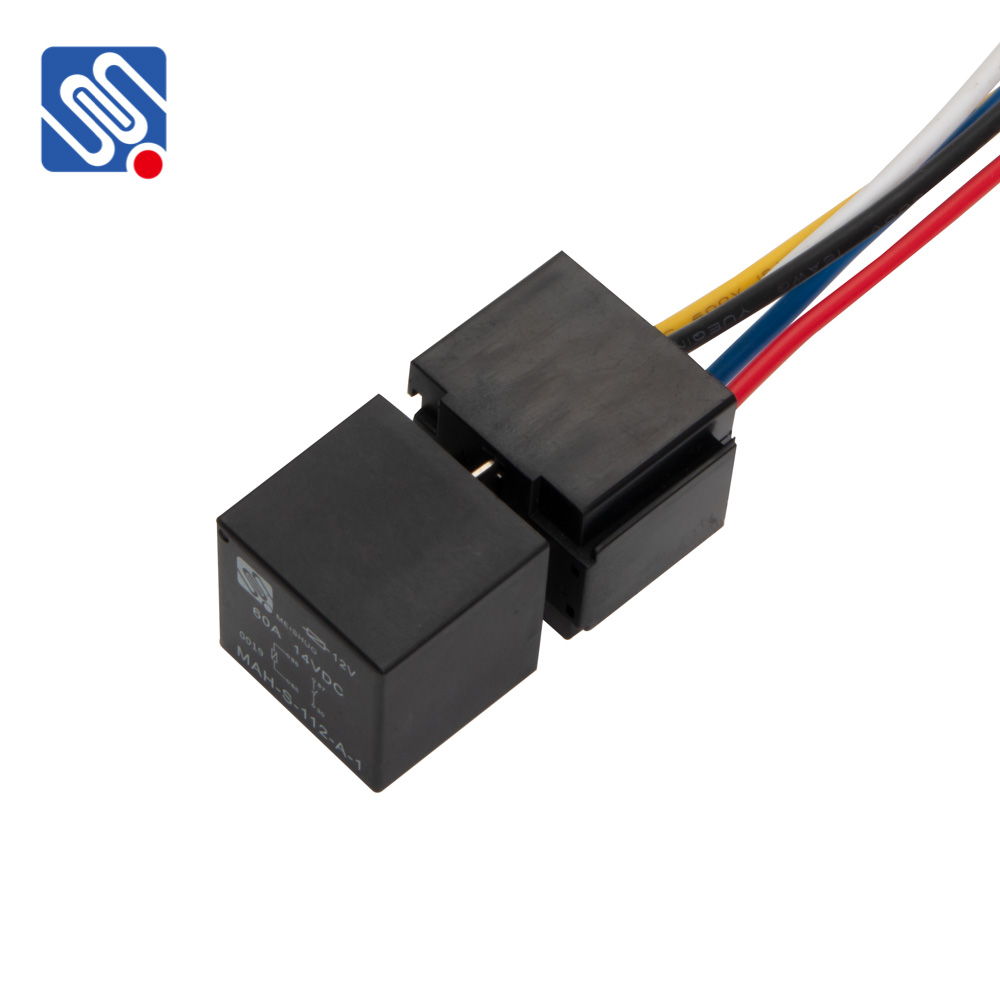
What is a 12V 40A Relay? A relay is an electromechanical switch that uses an electromagnet to control the opening or closing of electrical contacts. The 12V 40A relay operates at a control voltage of 12 volts DC, a common voltage used in various electrical systems, especially in automotive and solar applications. The 40A rating refers to the maximum current the relay can handle on its output side, meaning the relay can switch loads drawing up to 40 amperes of current. This makes the 12V 40A relay ideal for switching high-power devices or circuits that require high current, such as motors, pumps, and industrial equipment.