High current car relays are critical components in modern automotive electrical systems, serving as switches that control high-voltage and high-current loads. These relays allow a small control signal to switch on larger devices, such as lights, motors, and other electrical accessories, without the need for heavy-duty switches in the vehicle’s cabin. As cars become more reliant on electrical systems, understanding the functionality, applications, and considerations surrounding high current car relays is essential for both automotive manufacturers and enthusiasts.
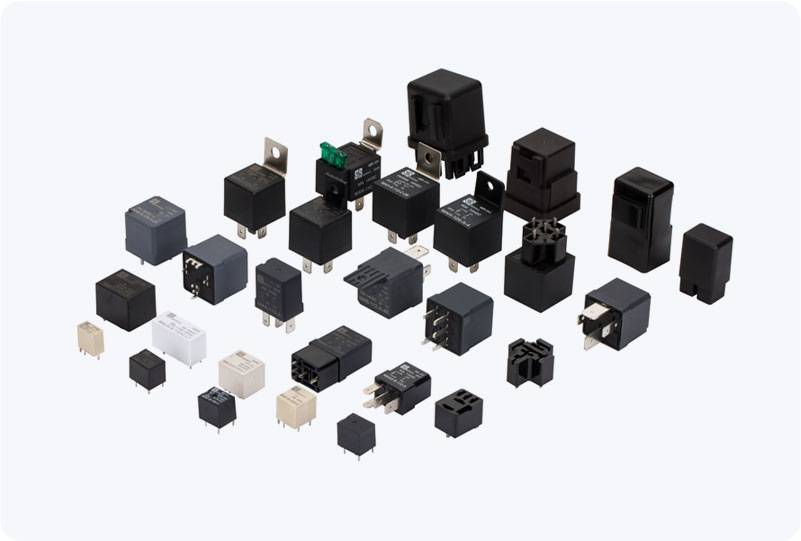
Working Principle At the core of a high current car relay is an electromagnetic switch that consists of a coil, a set of contacts (or terminals), and a spring mechanism. When a low-current control signal energizes the coil, it generates a magnetic field that pulls the armature (moving contact) toward the coil. This movement either closes or opens the contacts, allowing or interrupting the flow of high current from the power source to the intended load. This isolation between the control circuit and the power circuit helps improve the safety and longevity of the vehicle’s electrical components.