Arc-Free Relays are a technological advancement designed to eliminate or minimize the occurrence of electric arcs during switching operations, ensuring safer and more efficient relay systems. These relays are essential in applications where high currents or voltages are involved, as they prevent the damage typically caused by electric arcs, improving reliability and lifespan of electrical systems. In this article, we will explore the importance of Arc-Free Relays, how they function, and their various applications across industries.
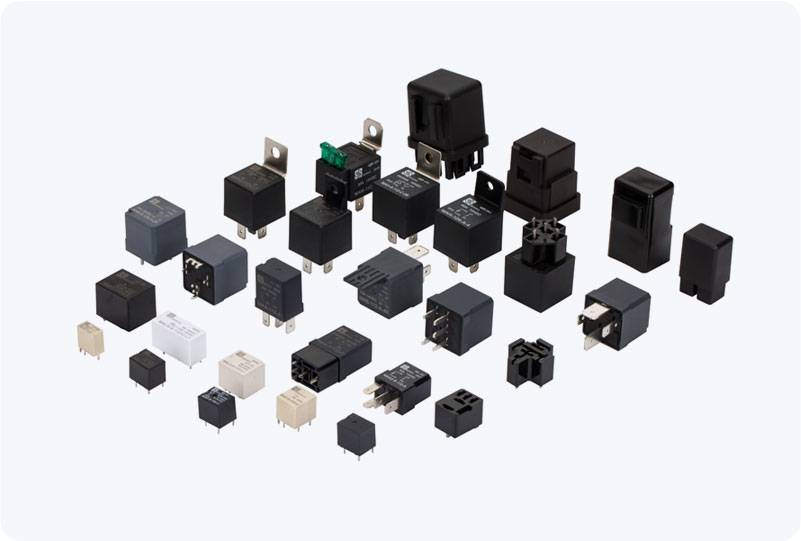
What is an Arc-Free Relay? An Arc-Free Relay is a type of electromagnetic relay designed with enhanced mechanisms to suppress or completely prevent the formation of electric arcs when switching high-power circuits. A relay works by using an electromagnetic coil to close or open its contacts, allowing the flow of current in the circuit. However, when these contacts open or close under high voltage or current, an electric arc may form between them. The arc can damage the relay’s contacts and other components, causing equipment failure or even posing a fire hazard. Arc-Free Relays use various strategies to mitigate the impact of arcing, such as advanced contact materials, faster switching speeds, and additional protective mechanisms like arc-suppression circuits.