Relay technical support plays a pivotal role in maintaining and enhancing the performance of communication and network systems. As technology evolves, the need for efficient, reliable, and seamless data transmission has become paramount across various industries. Whether in telecommunications, automation, or networking, relay systems ensure that signals and data flow efficiently between devices. This article explores the importance of relay technical support, its key functions, and how it contributes to the seamless operation of modern systems.
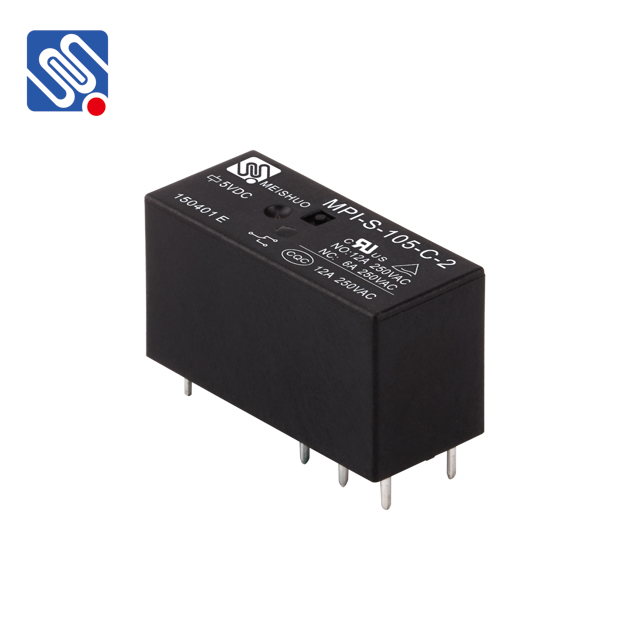
The Role of Relay Systems A relay, in its most basic form, is a device used to receive and forward signals, data, or power. In the context of telecommunications, relays are used to extend the reach of signals, overcome obstacles, and enhance network stability. They can operate in both wired and wireless systems, helping bridge gaps in communication by transmitting signals over long distances, compensating for weak signal areas, or connecting different network segments. Relay systems are often employed in a variety of applications, including: Telecommunication Networks: Relays ensure the smooth flow of data over vast distances in cellular, satellite, and fiber-optic networks.