The 12V 40A relay is an essential component in various electronic and electrical systems, designed to control the flow of electricity to high-power devices. It functions as an electrically operated switch that allows a low-voltage signal to control higher voltage or higher current circuits, ensuring safe and efficient operation of electrical devices. This article will explore the features, applications, and benefits of using a 12V 40A relay in different settings.
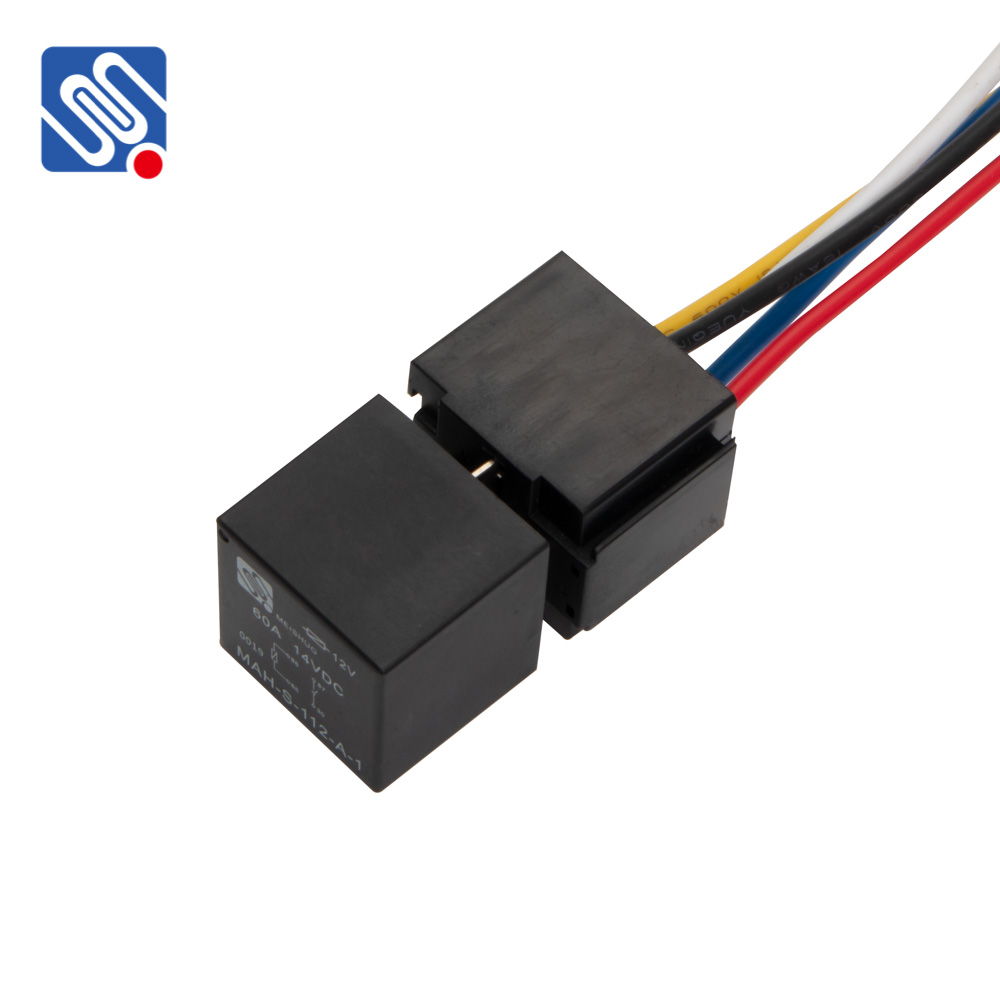
What is a 12V 40A Relay? A 12V 40A relay is an electromechanical switch that is powered by a 12V DC input to control the switching of higher current circuits, typically rated at up to 40 amperes. The relay consists of a coil, which when energized with the 12V voltage, generates a magnetic field that activates a set of contacts (usually NO or NC). This allows the relay to open or close the circuit, controlling the power to connected devices. The “40A” rating indicates the maximum current that the relay can safely handle on its output contacts. Relays are used to manage high-current devices or systems that require a large amount of power, making them critical in industrial, automotive, and consumer electronics applications.