In the realm of industrial safety, the implementation of effective lockout/tagout (LOTO) procedures is essential for preventing accidental machinery start-ups during maintenance and repair work. Among the critical tools used in these procedures are IEC 60947-2 certified lockout hasps. These devices provide a reliable means of ensuring that machinery is properly secured and that workers can perform their tasks with peace of mind. This article explores the significance of IEC 60947-2 certified lockout hasps, their features, applications, and the benefits they bring to workplace safety.
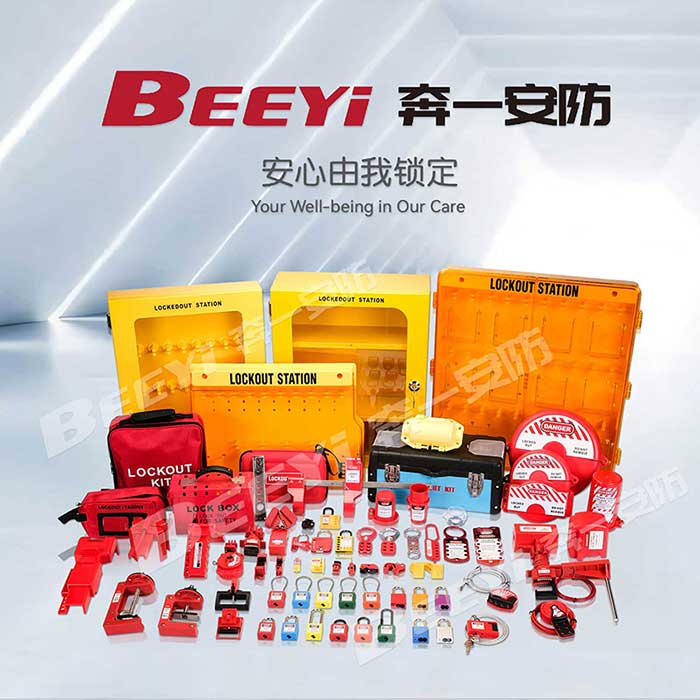
The Importance of Lockout/Tagout Procedures Lockout/tagout procedures are designed to protect workers from being exposed to the dangers of unexpected machine energization or start-up during servicing or maintenance tasks. This risk is prevalent in various industries, including manufacturing, construction, and energy. The Occupational Safety and Health Administration (OSHA) in the United States has established regulations that mandate these procedures as part of workplace safety standards, thereby emphasizing their importance. Lockout hasps play a pivotal role in this process. They are used to secure a lock on a machine’s energy-isolating device, preventing it from being inadvertently operated until maintenance is complete. By implementing a locking mechanism, workers can ensure that they are the only individuals who can access the machine during this critical time.
Leave a Reply