In the realm of electrical engineering, the Power Distribution Relay (PDR) serves as a crucial component for ensuring the safety and reliability of power systems. These devices play a significant role in monitoring electrical parameters, detecting faults, and providing protective measures to safeguard equipment and infrastructure from potential damage. As the demand for electricity continues to rise, and with the increasing complexity of electrical grids, understanding the functionalities and applications of Power Distribution Relays has become more important than ever.
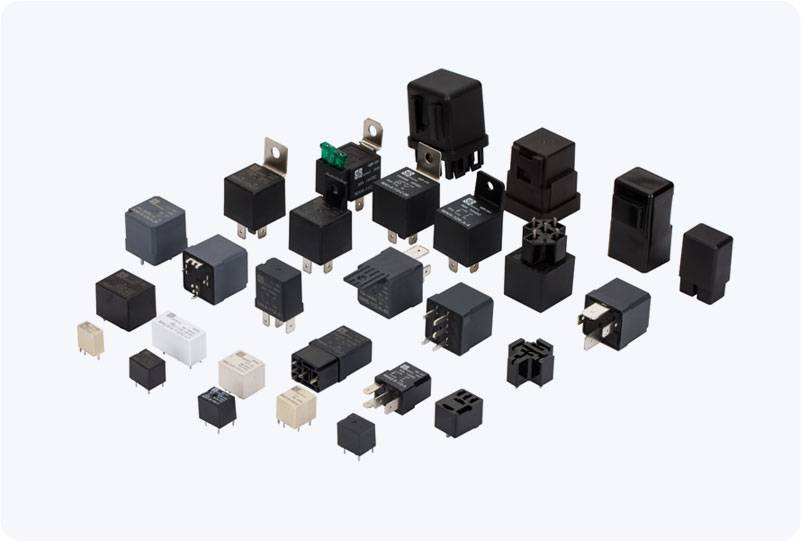
What is a Power Distribution Relay? A Power Distribution Relay is an electromechanical device that acts as an intermediary, constantly monitoring electrical signals and responding to specific conditions in an electrical circuit. The primary purpose of a PDR is to protect electrical equipment from abnormal conditions such as overcurrent, undervoltage, short circuits, and ground faults. When a fault is detected, the relay activates a circuit breaker to isolate the affected section of the network, thereby preventing further damage and ensuring the integrity of the overall system. Functions of Power Distribution Relay