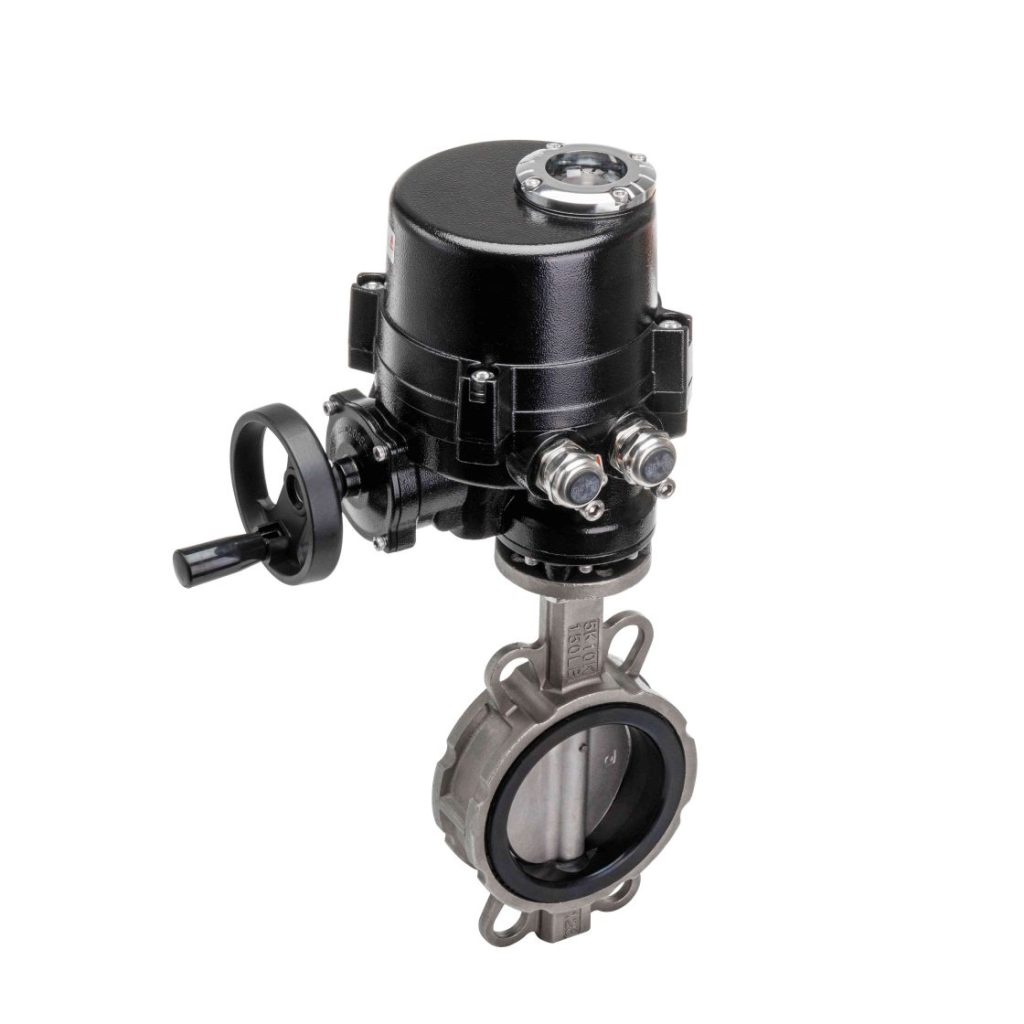
In the realm of industrial fluid control, the WCB Electric Clamp Butterfly Valve stands out as a versatile and efficient solution, renowned for its reliability and adaptability across various applications. This valve type plays a crucial role in managing the flow of fluids within pipelines, making it a vital component in numerous industries, including water treatment, chemical processing, food and beverage, and pharmaceuticals. In this article, we will delve into the design, working principle, advantages, and applications of the WCB Electric Clamp Butterfly Valve.
Design Features
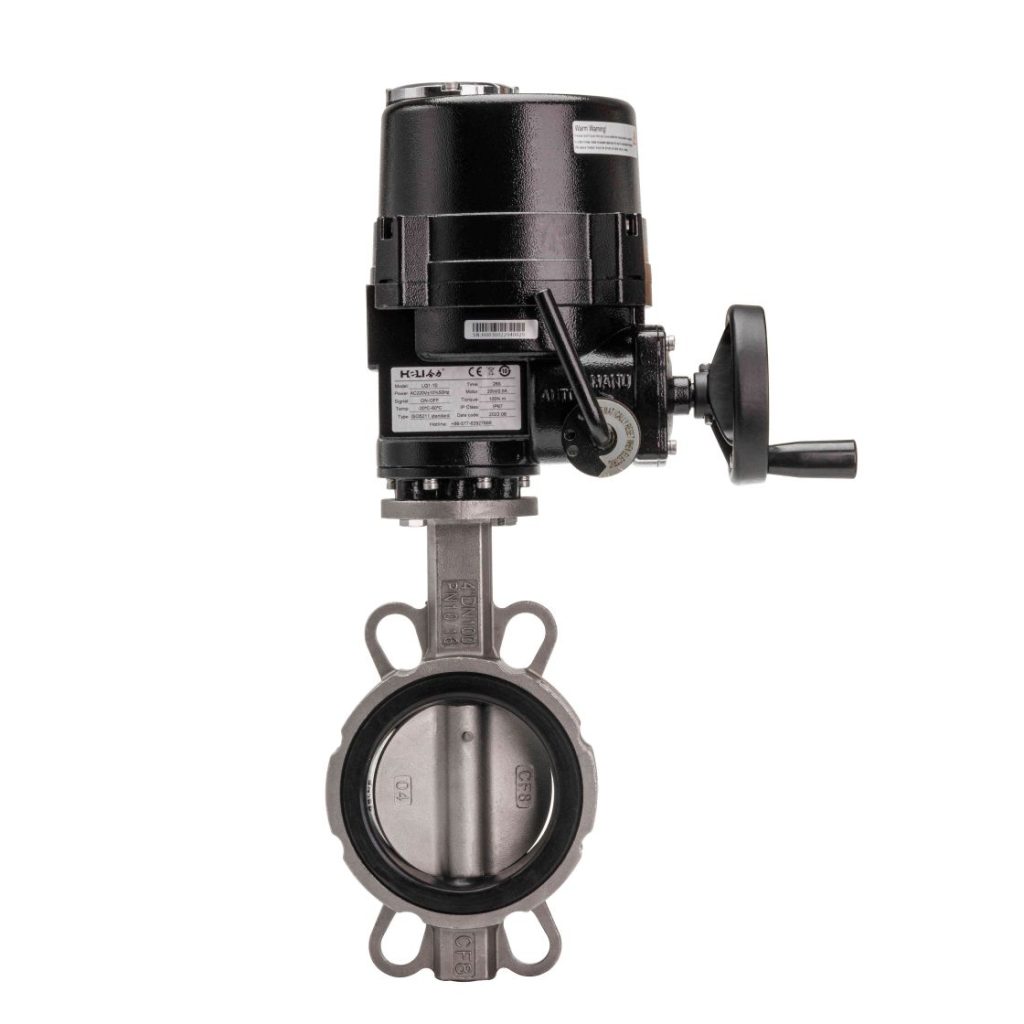
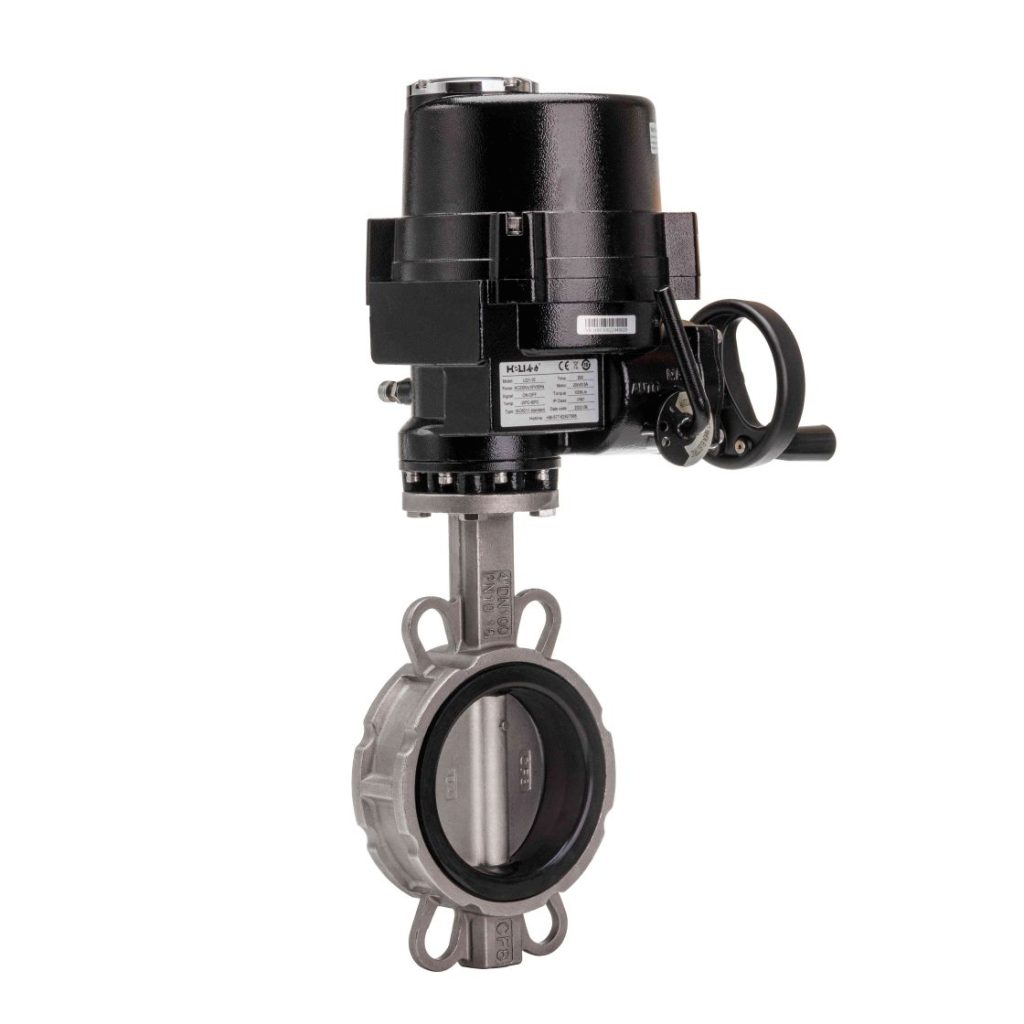
The WCB Electric Clamp Butterfly Valve is characterized by its simple yet effective design. The valve body is typically made from WCB material, which is a type of carbon steel that offers excellent structural integrity and resistance to corrosion. The valve features a circular body with a rotating disk, or butterfly, positioned in the center. This disk is mounted on a shaft and can rotate 90 degrees to either fully open or close the valve, allowing fluid to flow or be blocked efficiently. One of the key features of the WCB Electric Clamp Butterfly Valve is its clamp design, which allows for easy installation and removal from the pipeline. The clamp mechanism ensures a tight and secure fit, minimizing the risk of leaks. In addition, the valve is equipped with an electric actuator, which provides precise control over the opening and closing of the valve. This automation capability allows for seamless integration into modern control systems, enhancing operational efficiency.