In the realm of electrical engineering and automation, the electromagnetic relay has emerged as an essential component that enables control and protection of electrical circuits. Understanding the fundamental principles and applications of electromagnetic relays can enhance their effective use in various fields and industries.
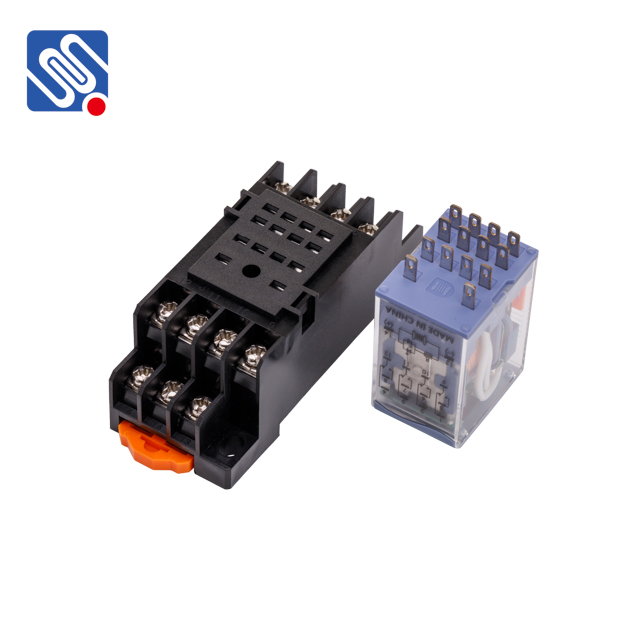
What is an Electromagnetic Relay? An electromagnetic relay is an electrically operated switch that uses an electromagnet to mechanically operate a switching mechanism. It typically consists of a coil, an armature, a spring, and contacts which can either close or open a circuit depending on the electrical input. When an electric current passes through the coil, it creates a magnetic field that attracts the armature towards it, thus changing the state of the contacts from open to closed or vice versa. Working Principle The operation of an electromagnetic relay revolves around the interaction between electricity and magnetism. When voltage is applied to the coil of the relay, it generates a magnetic field. This field attracts the armature—a movable part of the relay—leading to the closing of the contacts (in a normally open relay) or the opening of the contacts (in a normally closed relay). Once the voltage is removed, the magnetic field disappears, the spring tension forces the armature back to its original position, and the contacts revert to their default state.