Safety in industrial and commercial environments is paramount, especially when it comes to maintaining machinery and equipment. The use of Safety Lockout Kits has become a critical part of workplace safety protocols, ensuring that equipment is securely locked out during maintenance, repairs, or any other operation where unintended energy release could cause harm. These kits are designed to help prevent accidents, safeguard workers, and ensure compliance with regulations. In this article, we will explore the various applications of Safety Lockout Kits and how they contribute to creating a safer working environment.
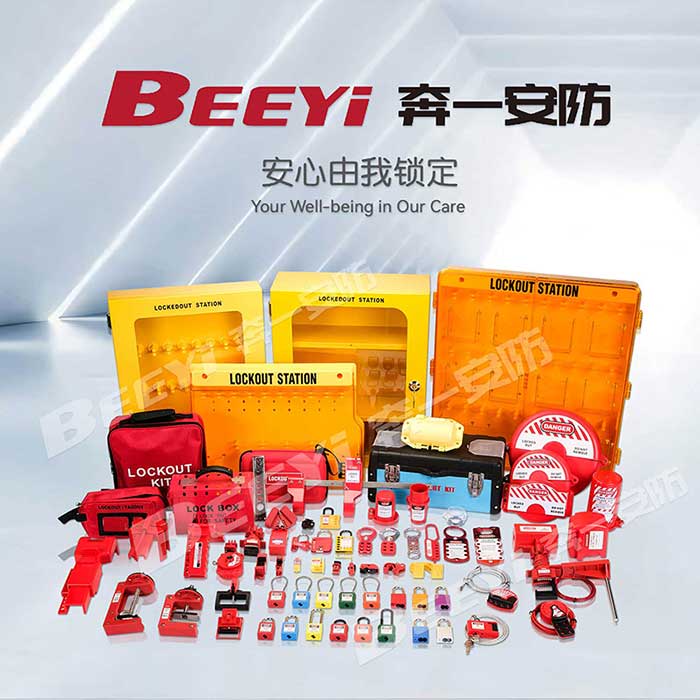
What are Safety Lockout Kits? Safety Lockout Kits are a collection of tools and devices used to isolate hazardous energy sources in machinery or equipment. The goal of these kits is to prevent the accidental release of energy during maintenance or repair tasks. This includes the isolation of electrical power, hydraulic pressure, pneumatic energy, or other mechanical forces. The kits typically include a variety of lockout devices, tags, and padlocks designed to ensure that no energy can be inadvertently restored while work is being performed. Lockout/Tagout (LOTO) programs, as defined by OSHA (Occupational Safety and Health Administration), are legally required in many industries, particularly in high-risk environments like manufacturing, energy production, and chemical processing. Safety Lockout Kits form the core of these programs by providing a standardized and efficient way to lockout energy sources.