As the global transition to electric vehicles (EVs) accelerates, the importance of robust, reliable, and safe charging infrastructure becomes more pronounced. One critical component of this infrastructure is the relay system, which plays an essential role in controlling the power flow during the charging process. The IEC 61811 EV Relay standard specifically addresses the requirements for relays used in electric vehicle (EV) charging stations, ensuring that they meet rigorous performance, safety, and reliability criteria. This article will explore the significance of IEC 61811 in the context of EV charging and highlight the key features that make these relays crucial for the successful operation of charging systems.
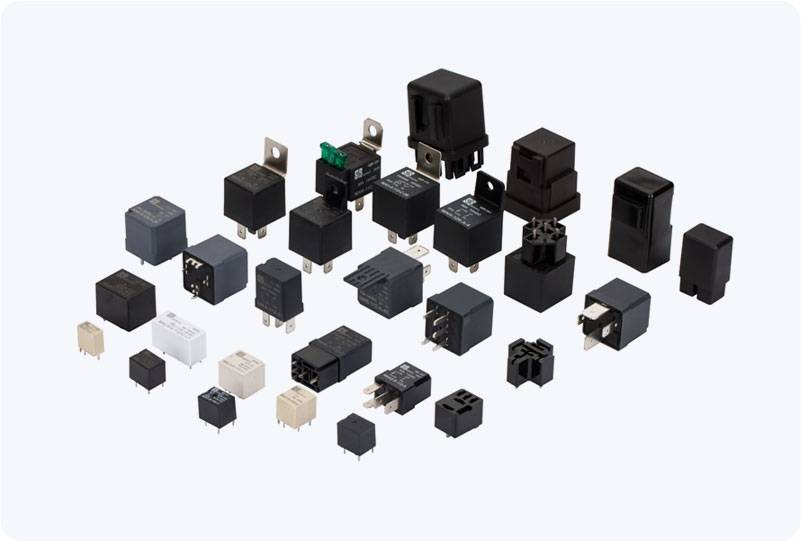
The Role of Relays in EV Charging Stations Relays are electro-mechanical devices that control the flow of electrical power in circuits. In the case of electric vehicle charging, relays are responsible for switching the connection between the electric vehicle and the charging station on and off. They act as gatekeepers, managing the flow of current that is used to charge the vehicle’s battery. Given the high power levels involved and the frequent switching cycles, the reliability and safety of these relays are paramount. IEC 61811: Defining the Standards for EV Relays IEC 61811, developed by the International Electrotechnical Commission (IEC), is a standard that defines the requirements for relays used in electrical applications, including those for EV charging systems. It specifies the technical, performance, and safety aspects of these relays, ensuring they can handle the demanding conditions inherent in the operation of electric vehicle charging stations.