Direct Acting Solenoid Valves are vital components in various industrial applications, playing a crucial role in the automation of fluid control systems. These valves rely on the electromagnetic force generated by a solenoid coil to directly actuate the valve mechanism, without the need for external pressure or additional pilot control systems. Their simplicity, speed, and reliability make them a popular choice in fields ranging from automotive to aerospace, and from manufacturing to robotics. This article delves into the working principles, benefits, and applications of Direct Acting Solenoid Valves.
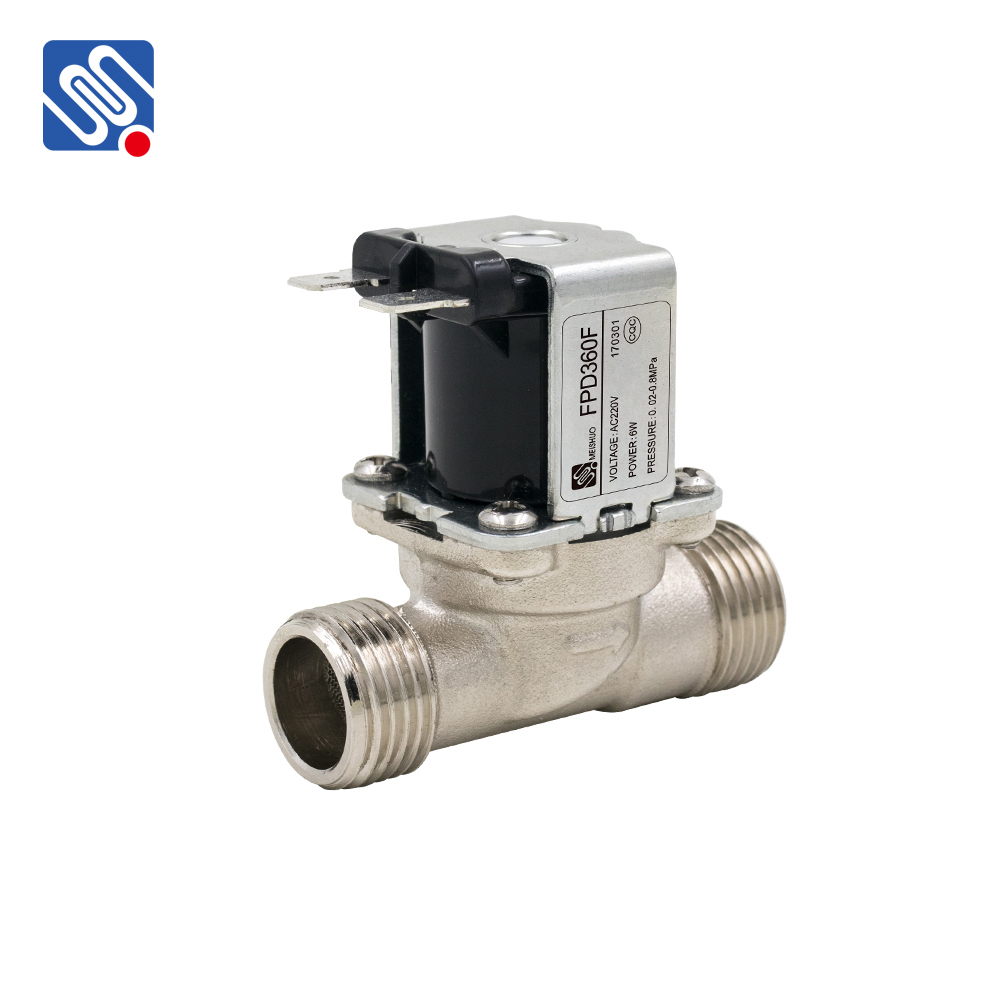
Working Principle of Direct Acting Solenoid Valves At the core of the Direct Acting Solenoid Valve is the solenoid coil, which is activated by an electric current. When current flows through the coil, it generates a magnetic field that attracts or repels a plunger, which is typically connected to the valve mechanism. The movement of this plunger opens or closes the valve, controlling the flow of fluid through the system. This direct action mechanism does not require any auxiliary pressure or air supply, unlike the pilot-operated solenoid valves that use the pressure of the fluid itself to aid in the valve’s operation. Because of this, Direct Acting Solenoid Valves are typically used in systems where the control of small volumes of fluid is required, and quick response times are necessary.