As the world moves towards the widespread adoption of 5G technology, the demand for faster, more reliable, and more expansive network coverage has reached unprecedented levels. One of the key innovations designed to meet these demands is the 5G base station relay. This technology is essential for ensuring that 5G networks can reach areas that were previously difficult to cover due to physical barriers or geographical limitations. In this article, we will explore what a 5G base station relay is, how it works, and its role in improving network performance.
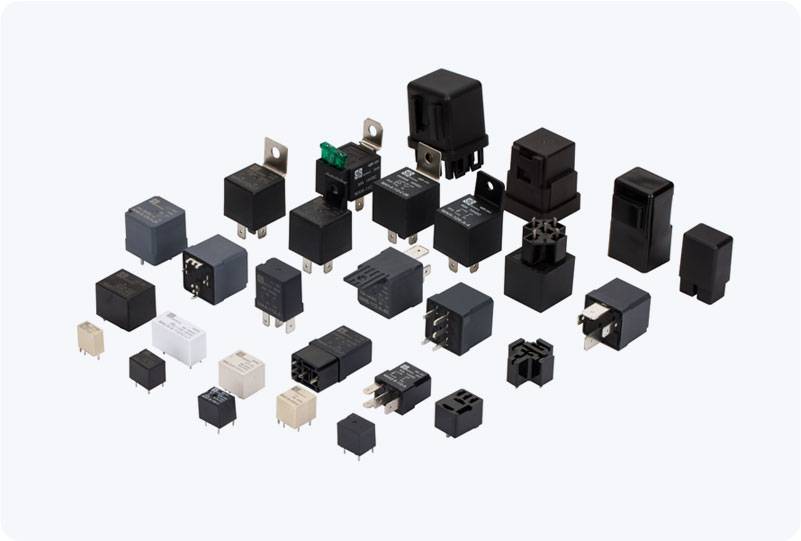
What is a 5G Base Station Relay? A 5G base station relay is essentially an intermediate device that helps transmit and amplify signals between the core network and the user equipment (UE), such as smartphones or IoT devices. Unlike traditional base stations, which are directly connected to the core network through fiber-optic cables, a relay station communicates with the main base station wirelessly. This wireless communication, known as “backhaul,” allows the relay to extend the coverage of the base station, reaching areas that would otherwise be challenging to service due to distance or obstacles.