As the automotive industry continues to shift towards electrification, one of the critical components facilitating this transformation is the 48V automotive relay. These relays play a pivotal role in managing electrical systems within electric vehicles (EVs), particularly those equipped with a 48V electrical architecture. With increased emphasis on energy efficiency, safety, and performance in modern EVs, understanding the function and importance of the 48V automotive relay is essential for ensuring reliable and efficient vehicle operation.
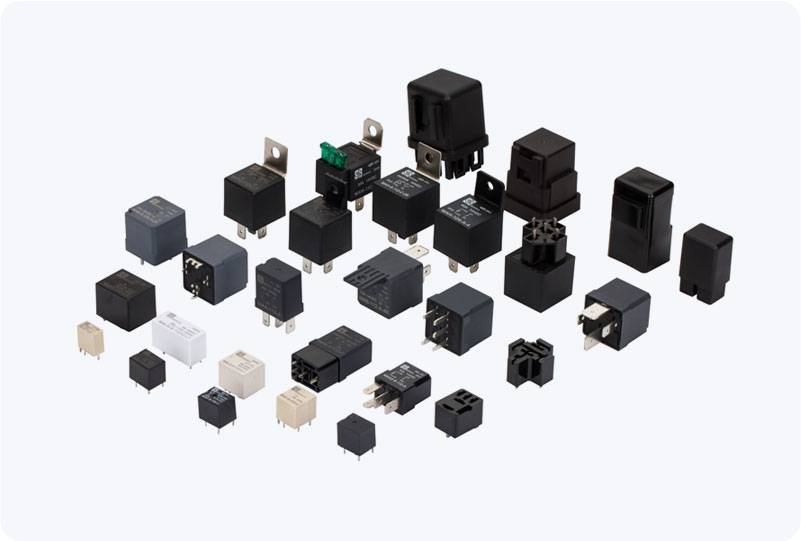
What is a 48V Automotive Relay? A 48V automotive relay is an electrically operated switch used to control high-current circuits within an electric vehicle’s 48V power system. It functions by opening and closing circuits in response to an input signal, typically from a vehicle’s onboard control system. The relay ensures that power is efficiently routed to the vehicle’s electric components, while also providing protection against overcurrent and other electrical faults. Unlike traditional 12V automotive relays used in conventional vehicles, 48V relays are specifically designed to handle the higher electrical load typical of modern electric and hybrid vehicles. The shift to a 48V electrical system in EVs has been driven by the need to support more power-hungry components, such as electric air conditioning, electric power steering, and regenerative braking systems.