As the automotive industry moves towards greater electrification, the need for efficient and reliable components has never been more critical. One such essential component is the 48V automotive relay, which plays a pivotal role in the performance and safety of electric vehicles (EVs). In this article, we will explore the function, design, and applications of 48V automotive relays in electric vehicles, highlighting their importance in powering modern automotive systems.
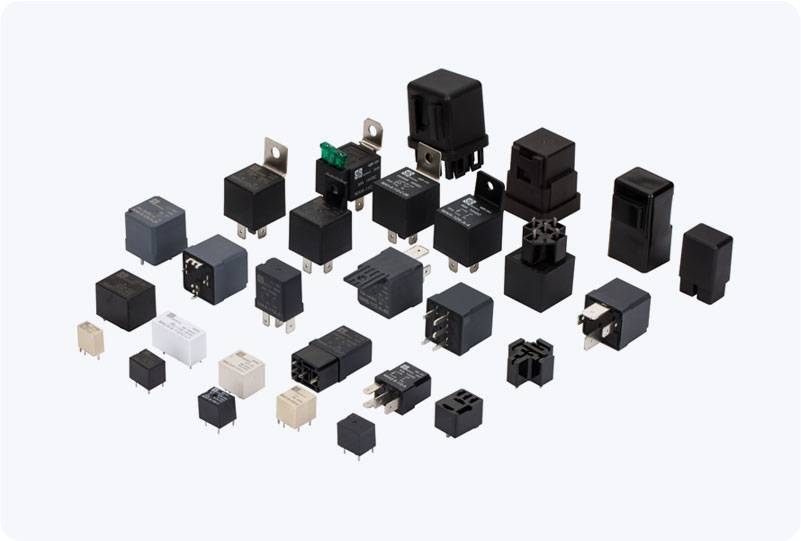
1. The Role of 48V Automotive Relays in Electric Vehicles Electric vehicles (EVs) and hybrid electric vehicles (HEVs) rely heavily on their electrical systems for performance, and one of the key elements in these systems is the 48V electrical architecture. Unlike traditional 12V systems, the 48V architecture provides significantly more power, which is essential for high-demand components like electric motors, air conditioning systems, and regenerative braking. To safely manage the flow of electricity to these components, 48V automotive relays are used. Automotive relays function as electrically operated switches that control the power distribution within a vehicle’s electrical system. In a 48V system, these relays allow or prevent the flow of electricity to high-power components, ensuring that the vehicle’s electrical systems operate efficiently and safely. The ability to handle higher voltage and current requirements is what makes 48V automotive relays indispensable in modern EVs and HEVs.