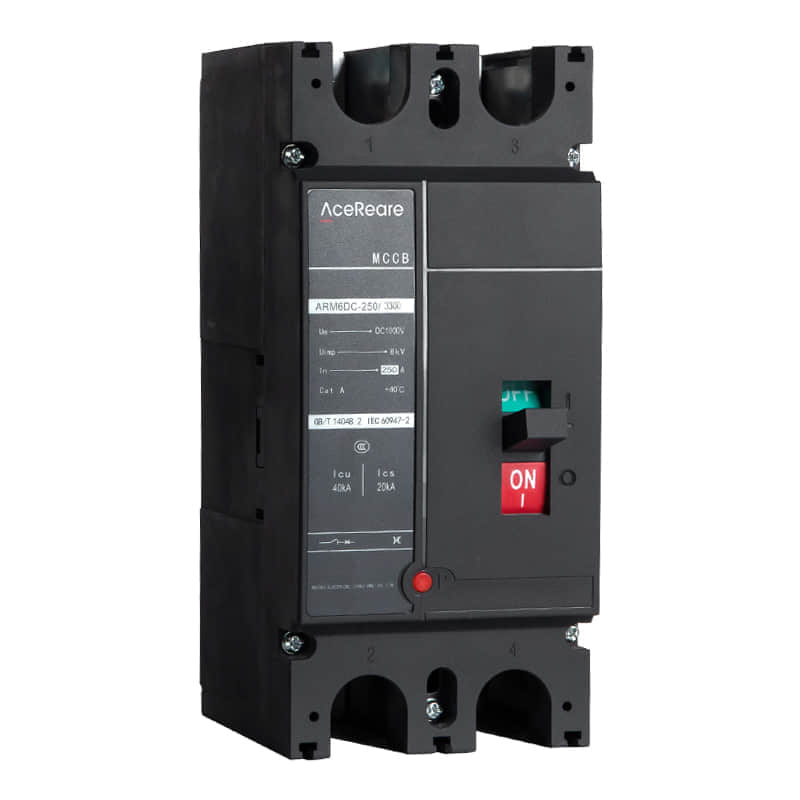
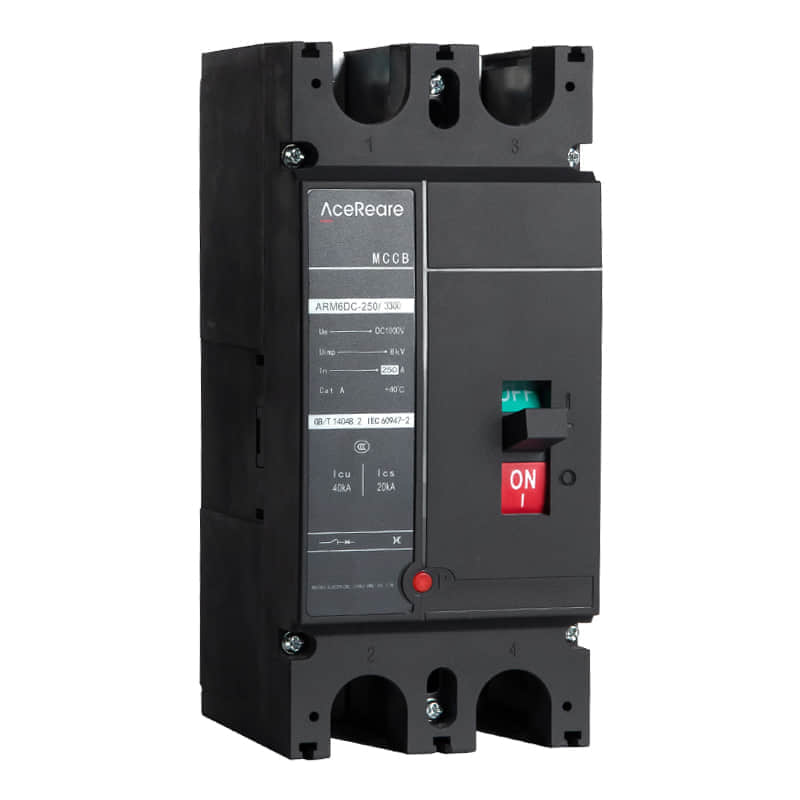
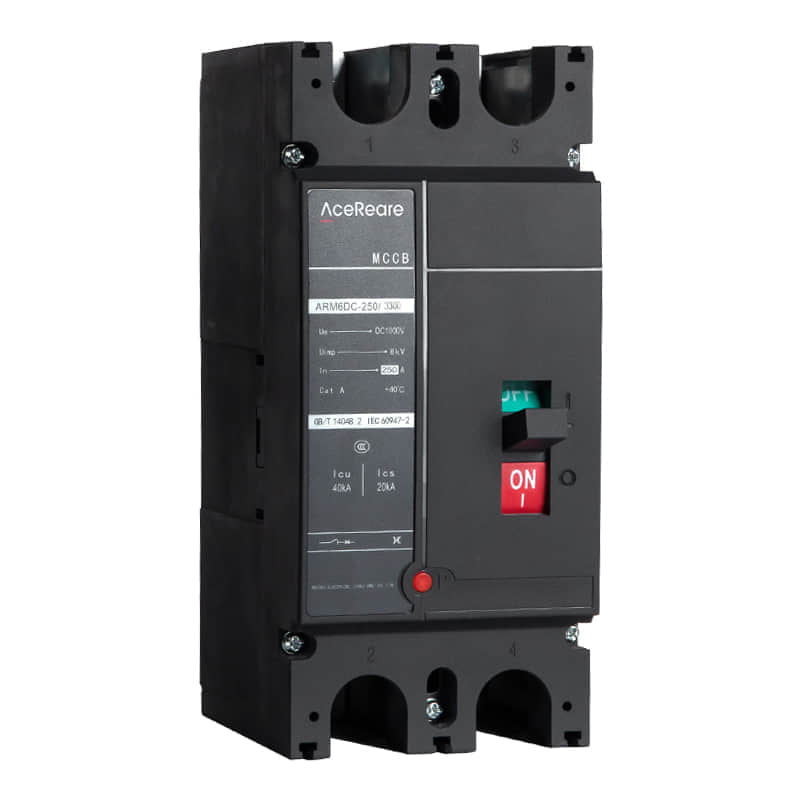
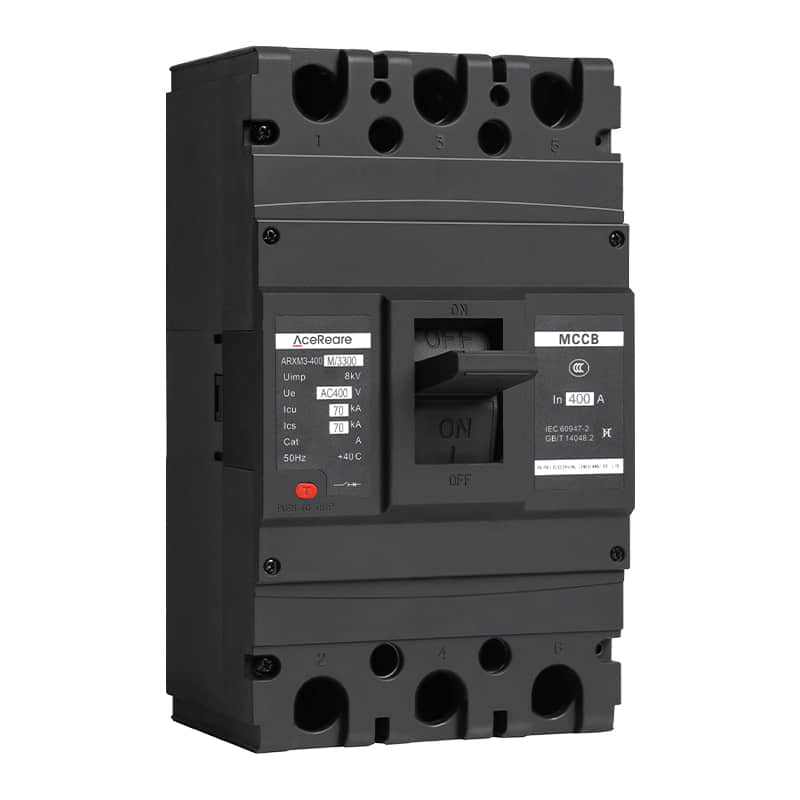
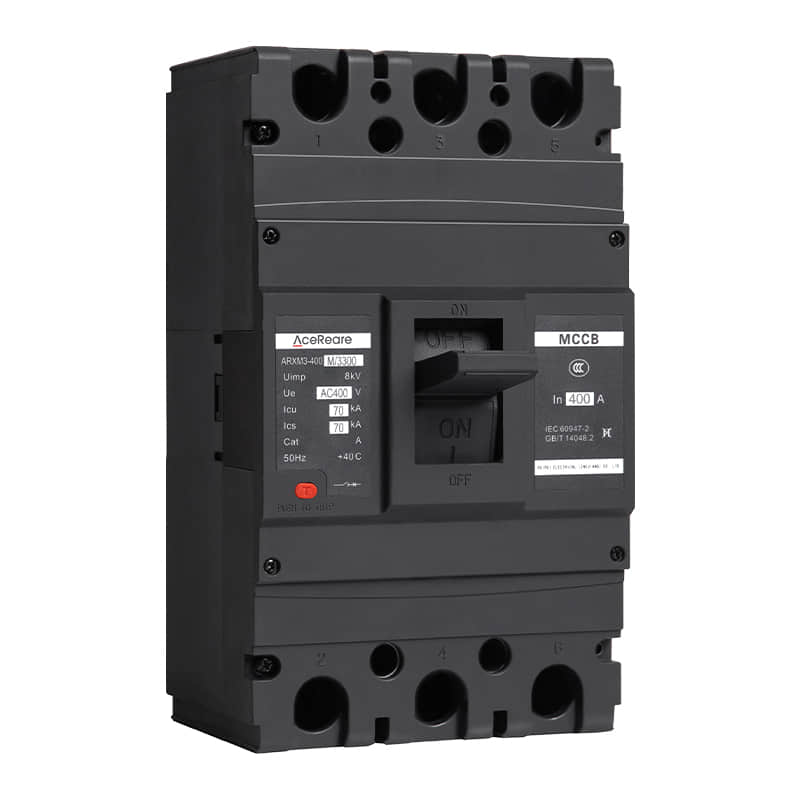
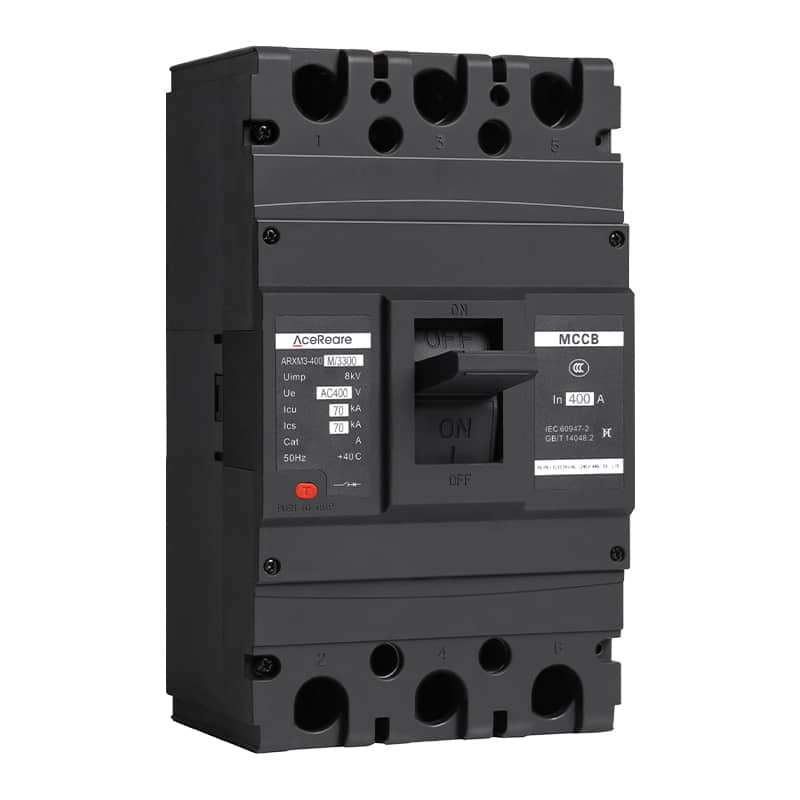
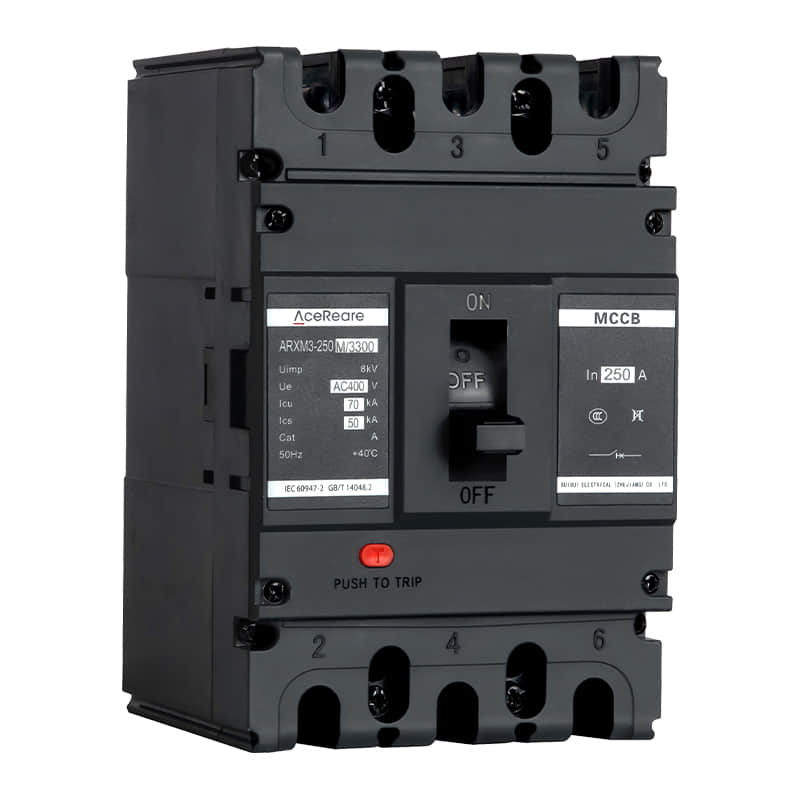
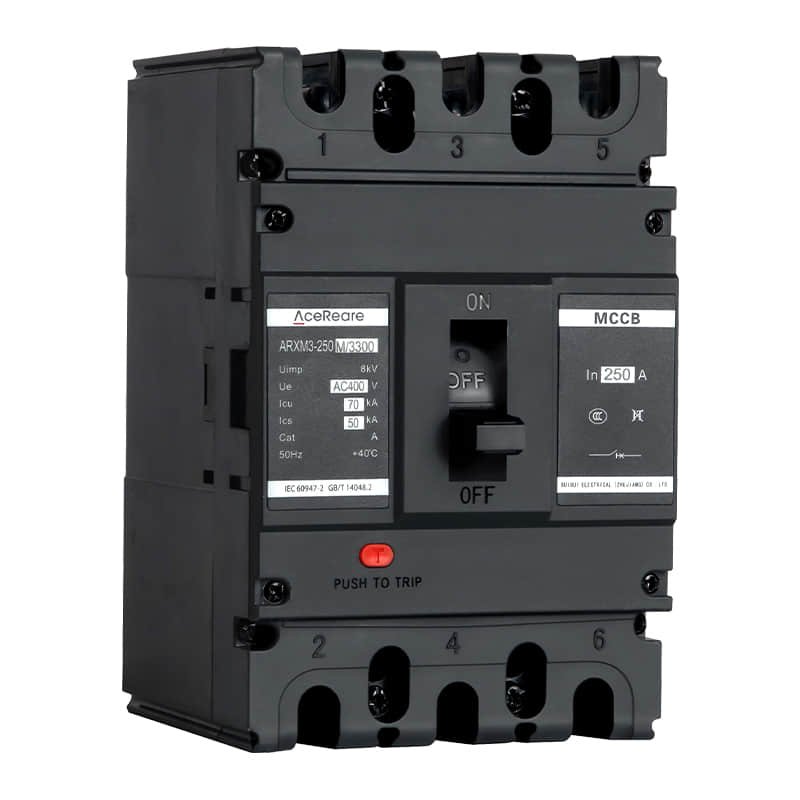
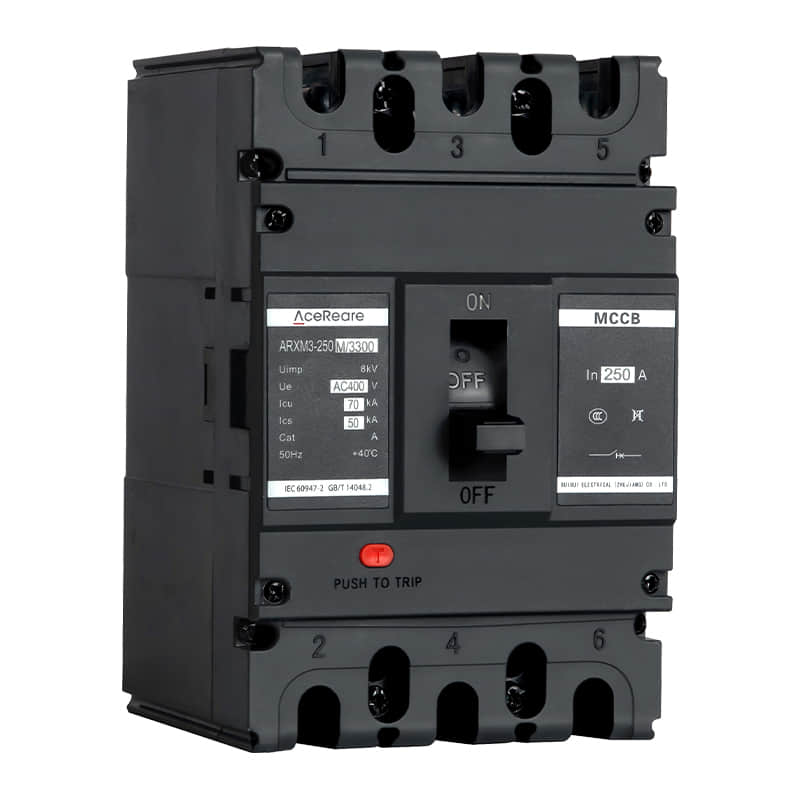
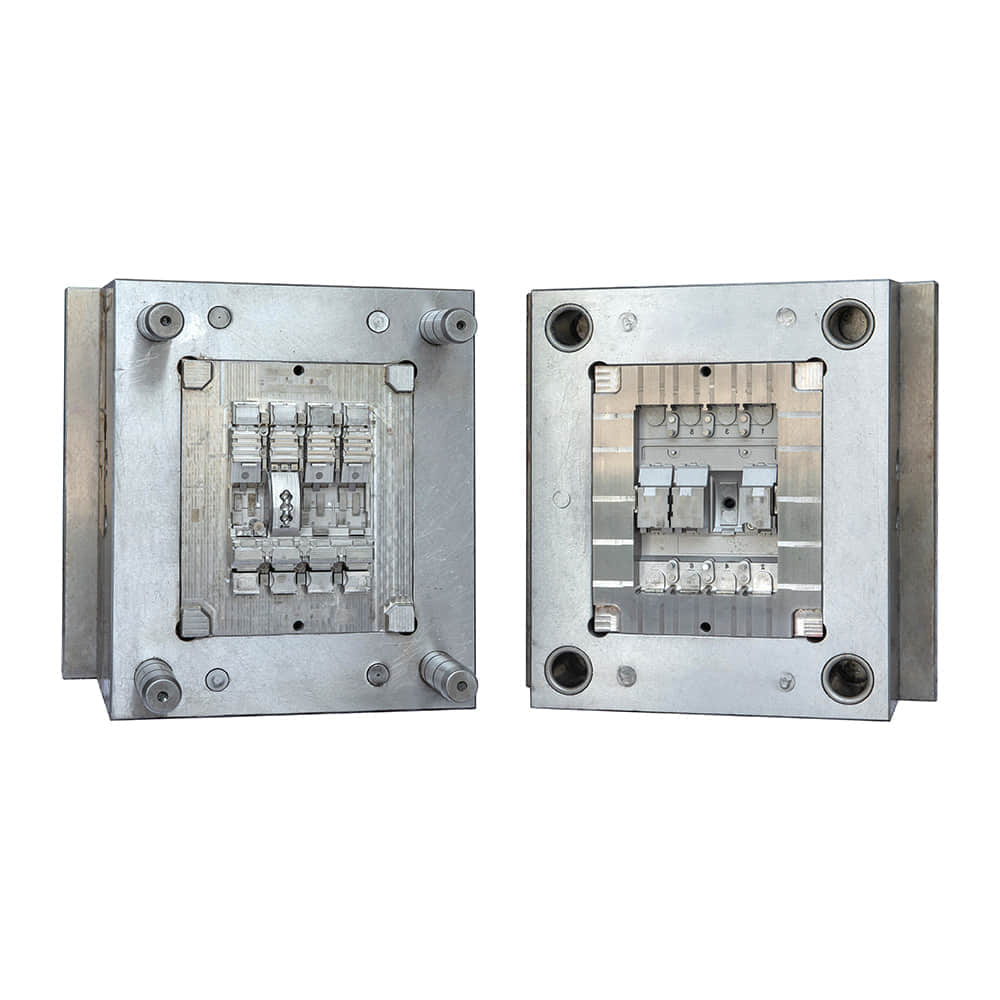
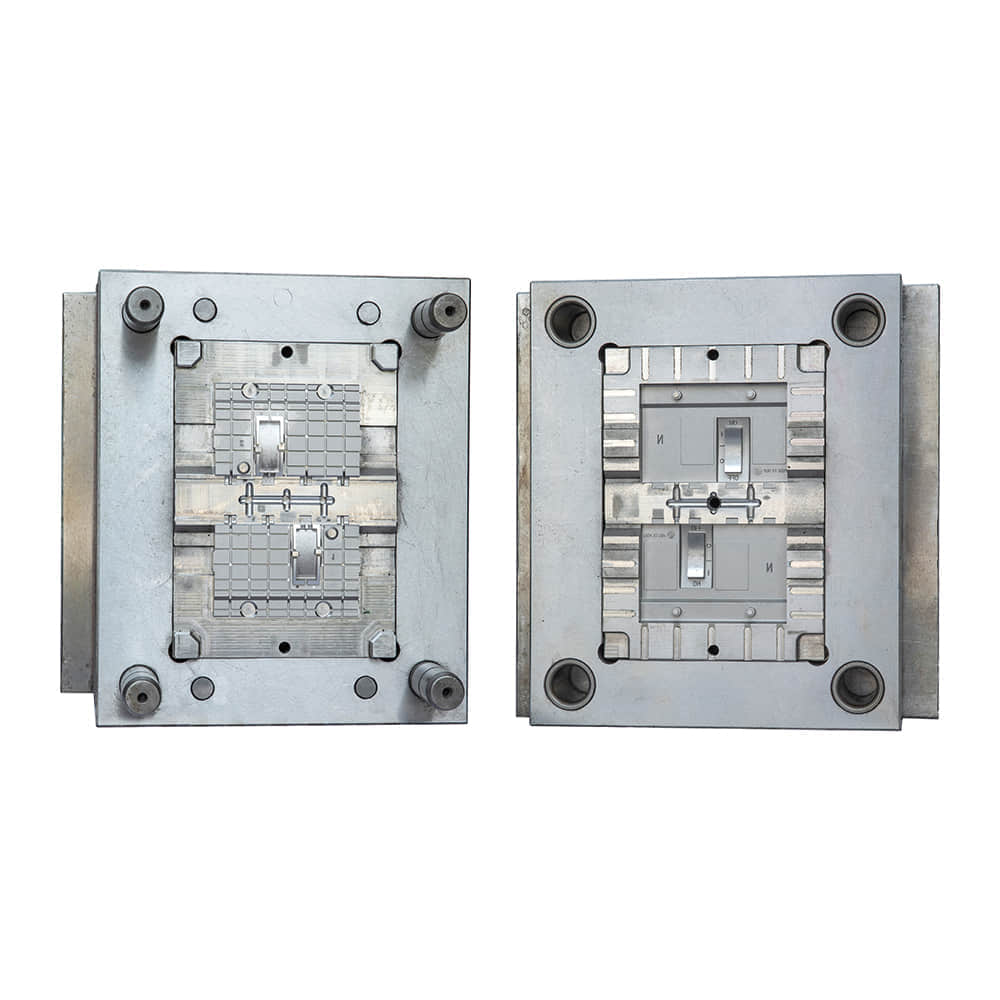
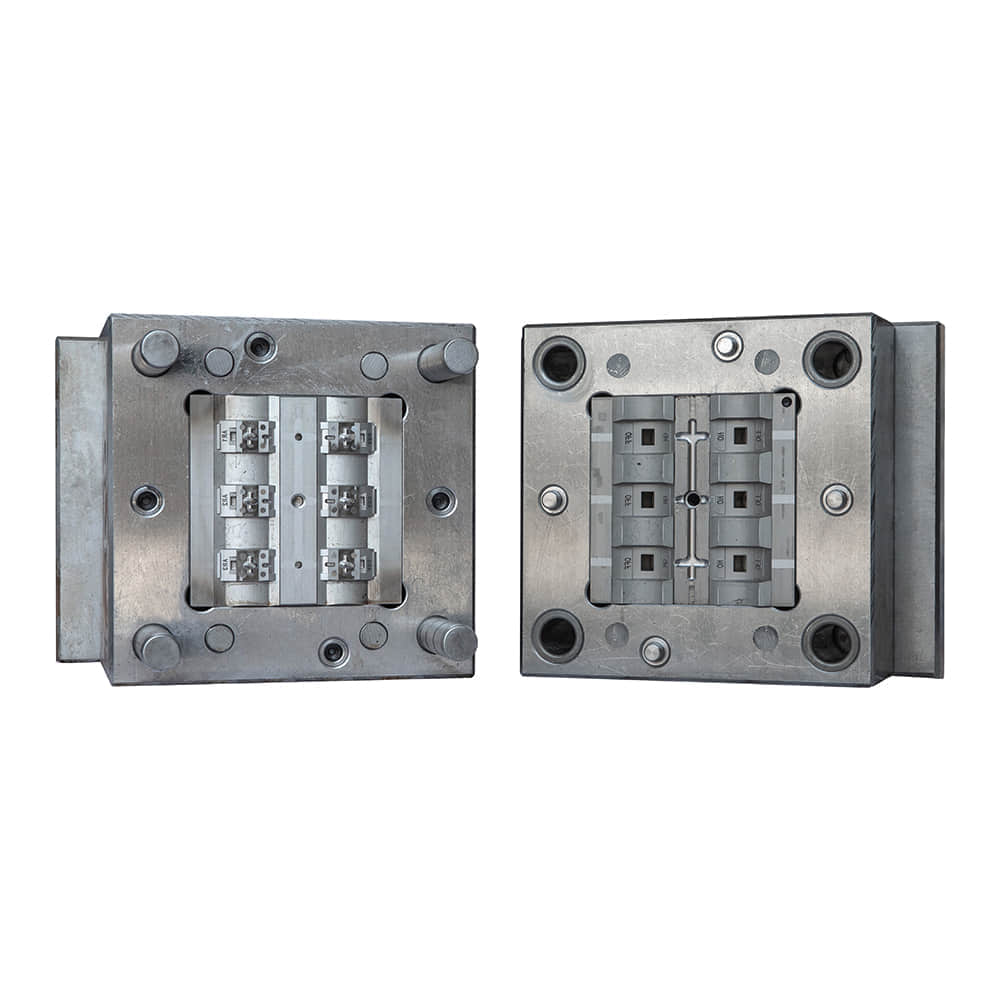
In the intricate world of electrical systems, the 3-pole circuit breaker stands as a vital component, ensuring the safety and reliability of electrical circuits. Its unique design and functionality make it an indispensable element in industrial, commercial, and residential settings.
The 3-pole circuit breaker, as the name suggests, possesses three poles or contacts, each designed to interrupt the flow of electricity in a specific phase of a three-phase electrical system. This feature allows it to effectively protect against overloads, short circuits, and other potential hazards that can arise in complex electrical networks.
The operation of a 3-pole circuit breaker is straightforward yet highly effective. When an abnormal condition occurs in the circuit, such as a surge in current or a drop in voltage, the breaker’s internal mechanism quickly detects the issue and trips, severing the connection between the source of power and the load. This prompt action prevents damage to electrical equipment and potential hazards to personnel. The significance of the 3-pole circuit breaker lies in its ability to protect not just individual components but entire systems. In industrial settings, where large motors and heavy-duty equipment operate, the breaker helps maintain the integrity of the power supply, preventing costly downtime and ensuring continuous operation. In commercial buildings, it safeguards against electrical fires and other hazards that can arise from faulty wiring or overloaded circuits. Even in residential settings, the 3-pole circuit breaker provides a crucial layer of protection, ensuring the safety of household appliances and the overall electrical system.
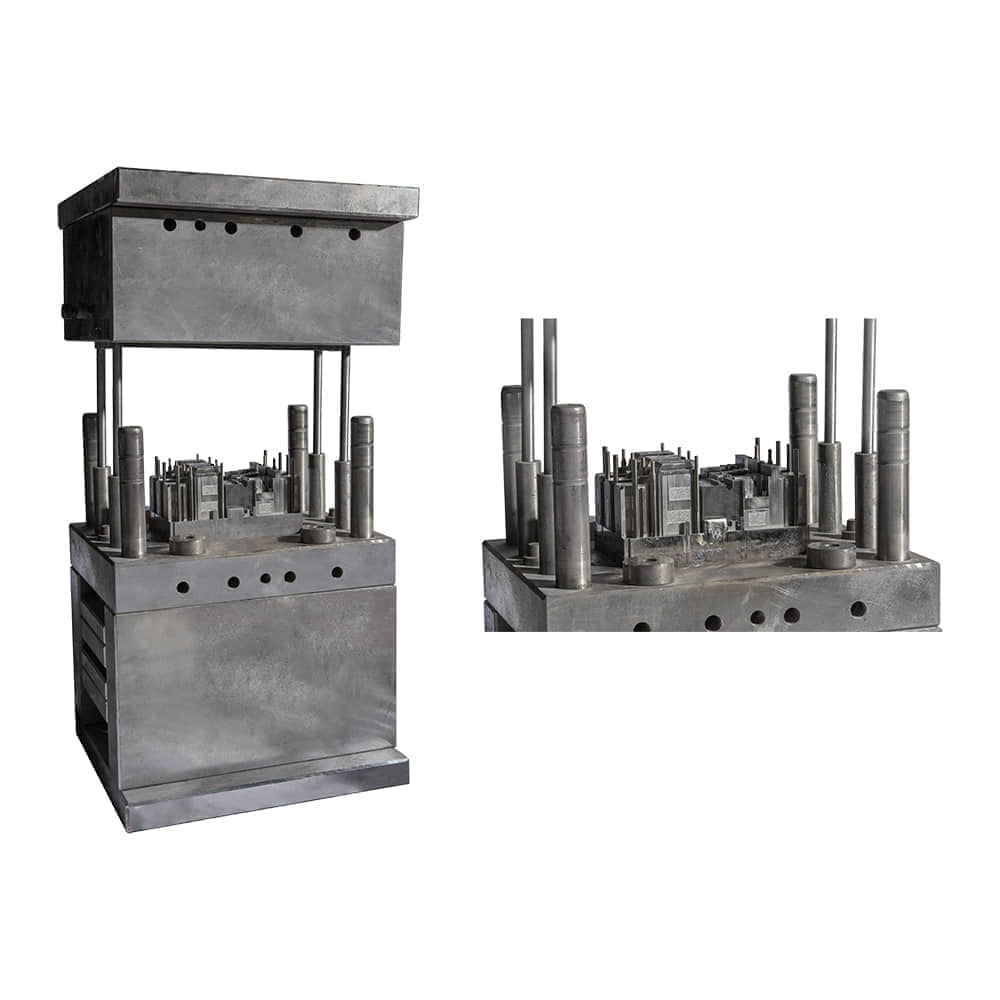
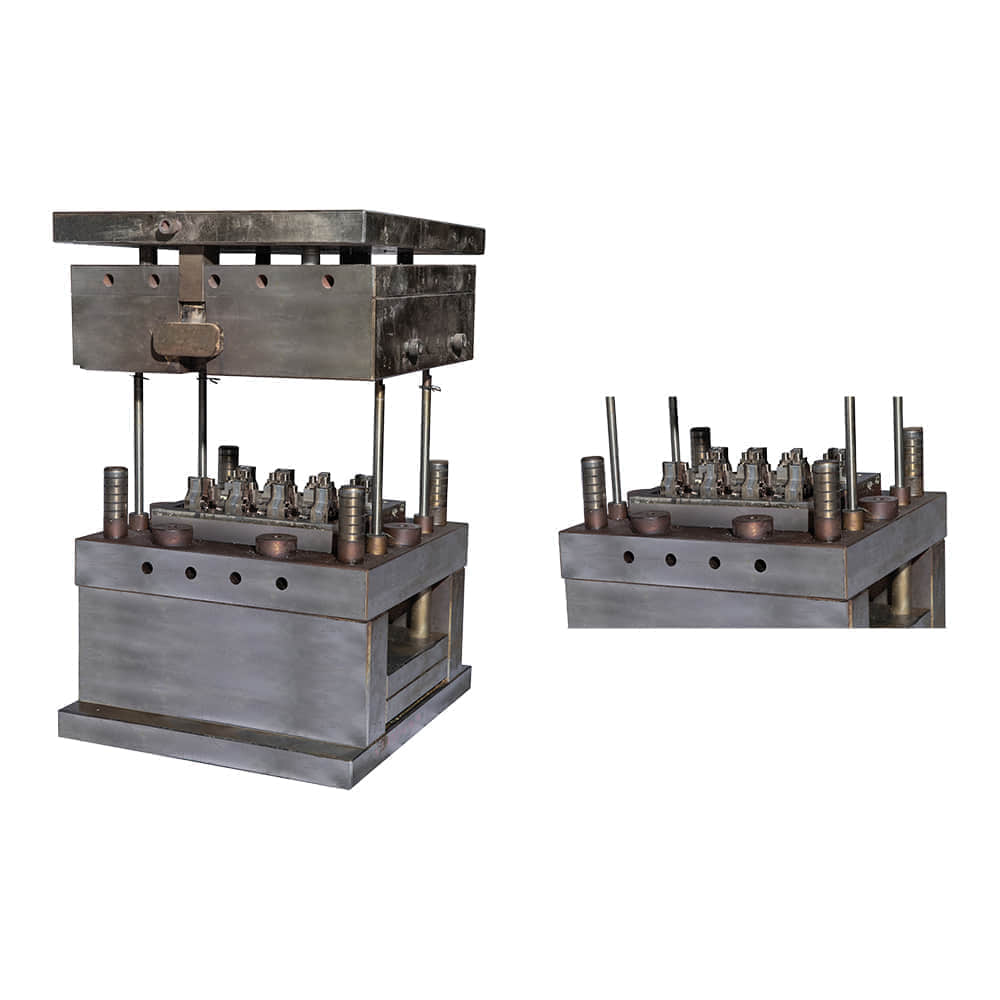
Thermosetting Compression Moulding, a fundamental yet crucial technique in the plastic manufacturing industry, holds significant importance in shaping a diverse range of products with high precision and durability. This process, which involves the use of heat and pressure to mold thermosetting plastics into desired shapes, offers numerous advantages that make it a preferred choice for various applications.
The core principle of Thermosetting Compression Moulding lies in the unique nature of thermosetting plastics. These plastics, unlike thermoplastics, undergo irreversible chemical changes during the molding process, resulting in a permanent, stable product. Once heated and pressed into shape, they retain their form and cannot be reheated and reshaped like thermoplastics. This characteristic, coupled with the high strength and durability of thermosetting plastics, makes them ideal for applications that require long-term stability and reliability.
The process of Thermosetting Compression Moulding begins with the preparation of the mold, which is designed to produce the desired shape of the plastic product. The mold, typically made of metal, consists of two halves: the upper and lower molds. The plastic material, in the form of pellets or sheets, is then placed into the mold cavity. Once the mold is closed, the heating process begins. The mold is heated to a temperature that activates the plastic’s thermoplasticity, allowing it to flow and fill the mold cavity. Simultaneously, pressure is applied to ensure that the plastic material evenly distributes within the mold and takes the shape of the cavity.
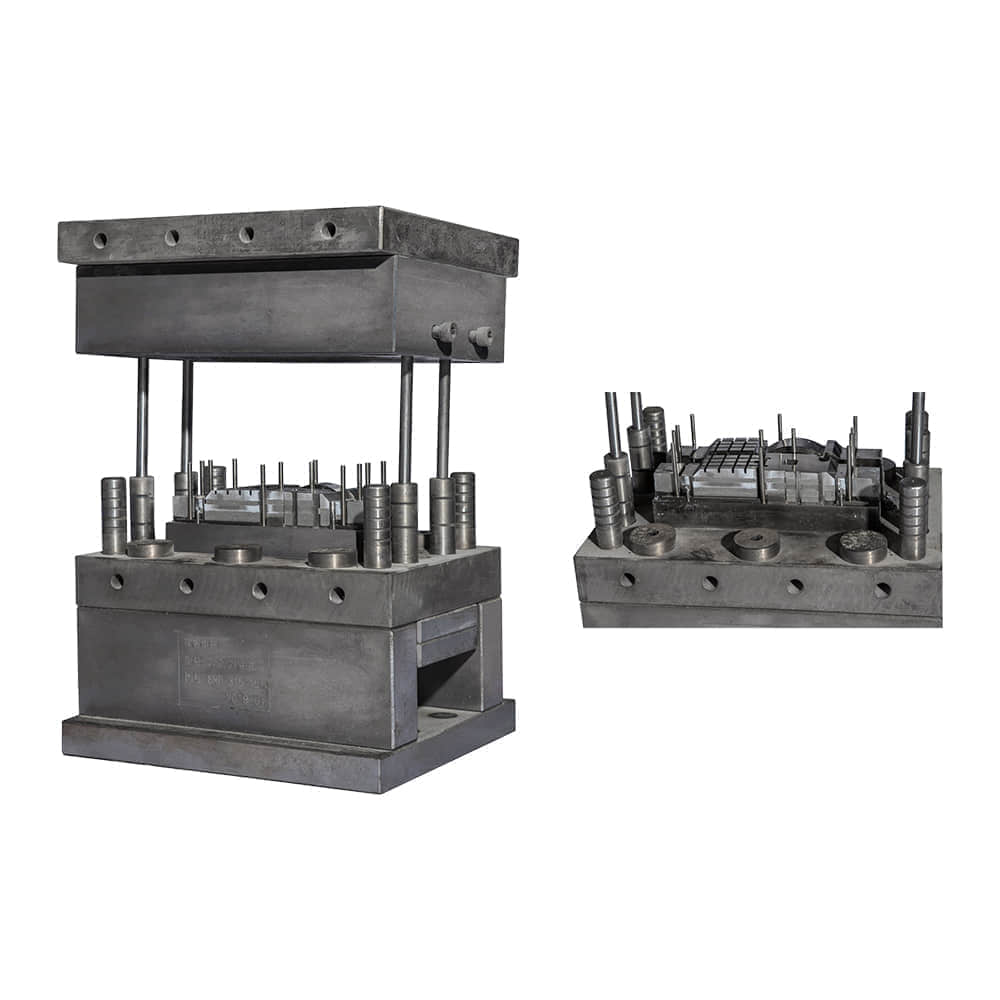
In the intricate world of modern manufacturing, thermoplastic injection molds occupy a pivotal position. These precision-engineered tools are not just mere containers for shaping plastic; they are the catalysts that transform molten thermoplastic into a diverse array of functional and aesthetic products.
Thermoplastic injection molding is a highly specialized process that involves injecting molten thermoplastic into a mold cavity under high pressure. The mold, in essence, defines the shape, size, and features of the final product. Its design and construction are therefore paramount to achieving desired outcomes.
The process begins with the selection of the appropriate thermoplastic material, tailored to meet the specific requirements of the end product. The material is then heated to a molten state and injected into the mold cavity. The mold’s intricate geometry ensures that the molten plastic flows evenly, filling all corners and cavities, resulting in a uniformly shaped product. The cooling phase is critical in ensuring the plastic solidifies evenly, preserving the desired shape and preventing any distortions. The mold’s thermal conductivity and cooling channels play a vital role in this process, ensuring rapid and uniform cooling.
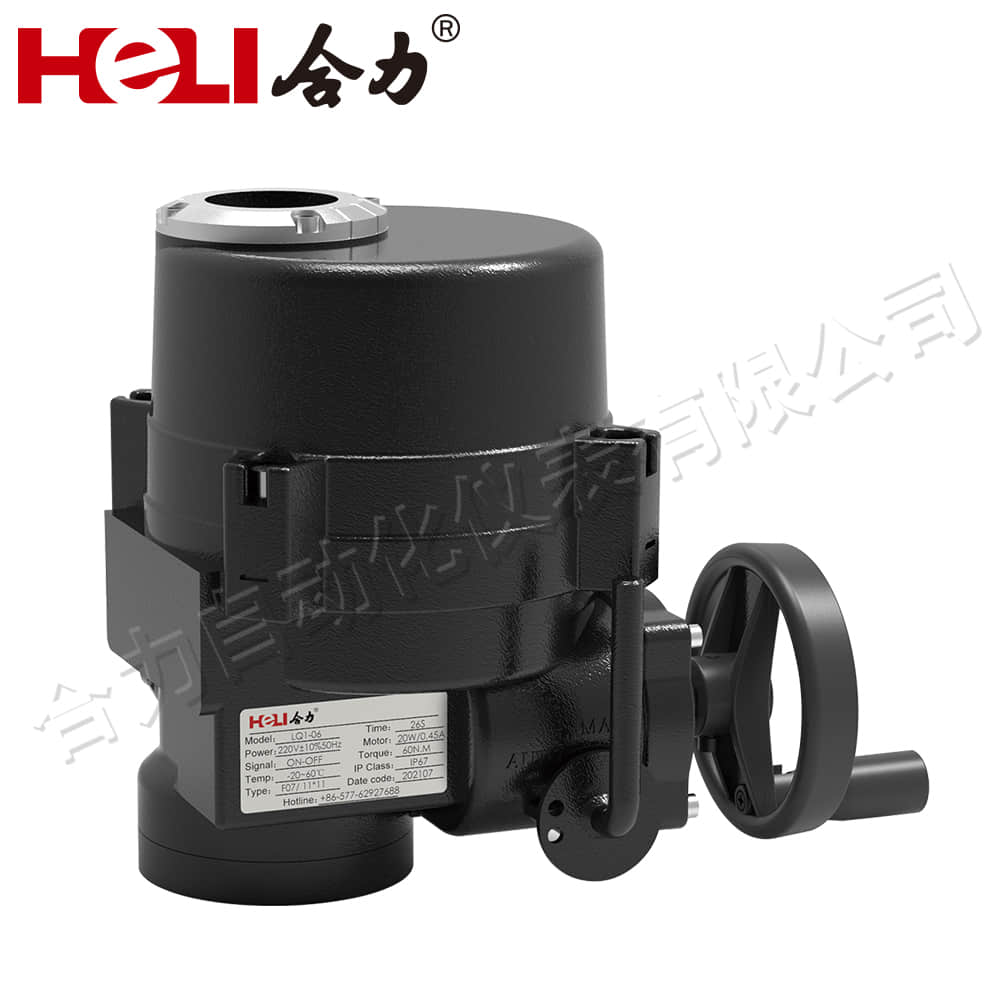
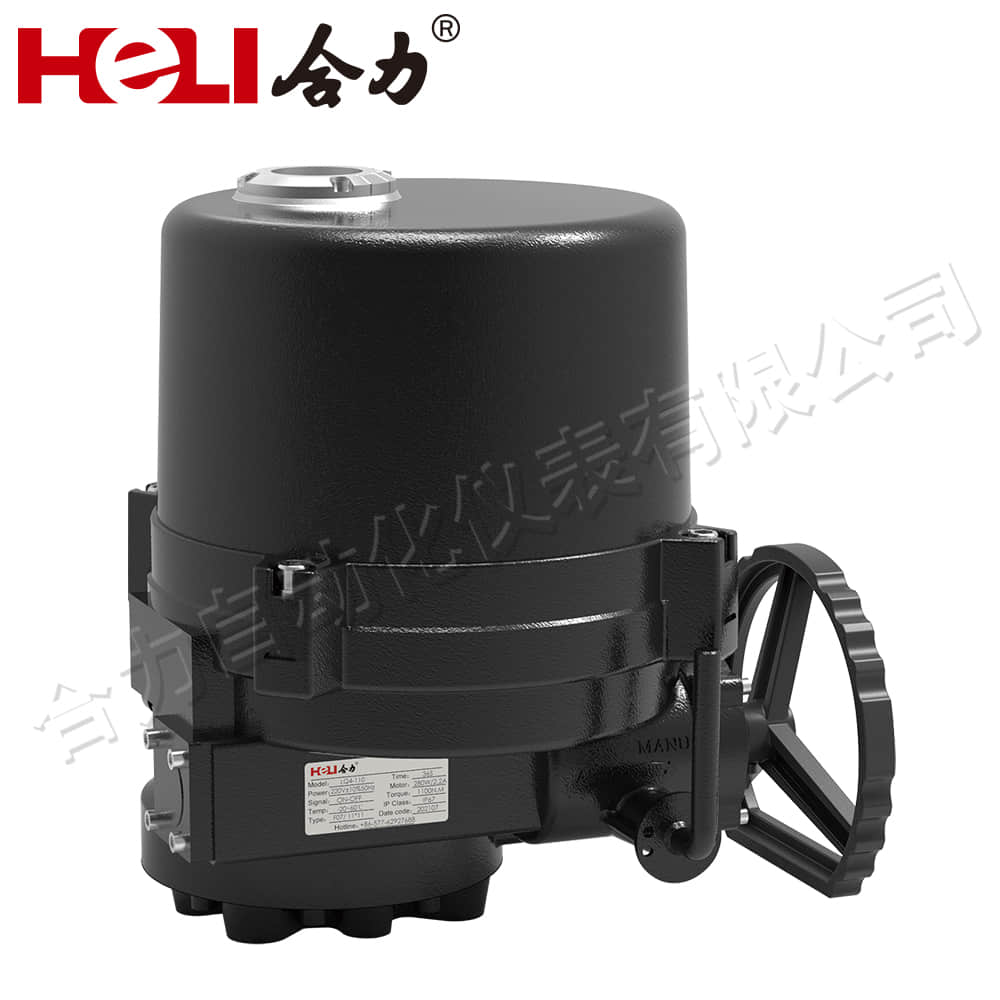
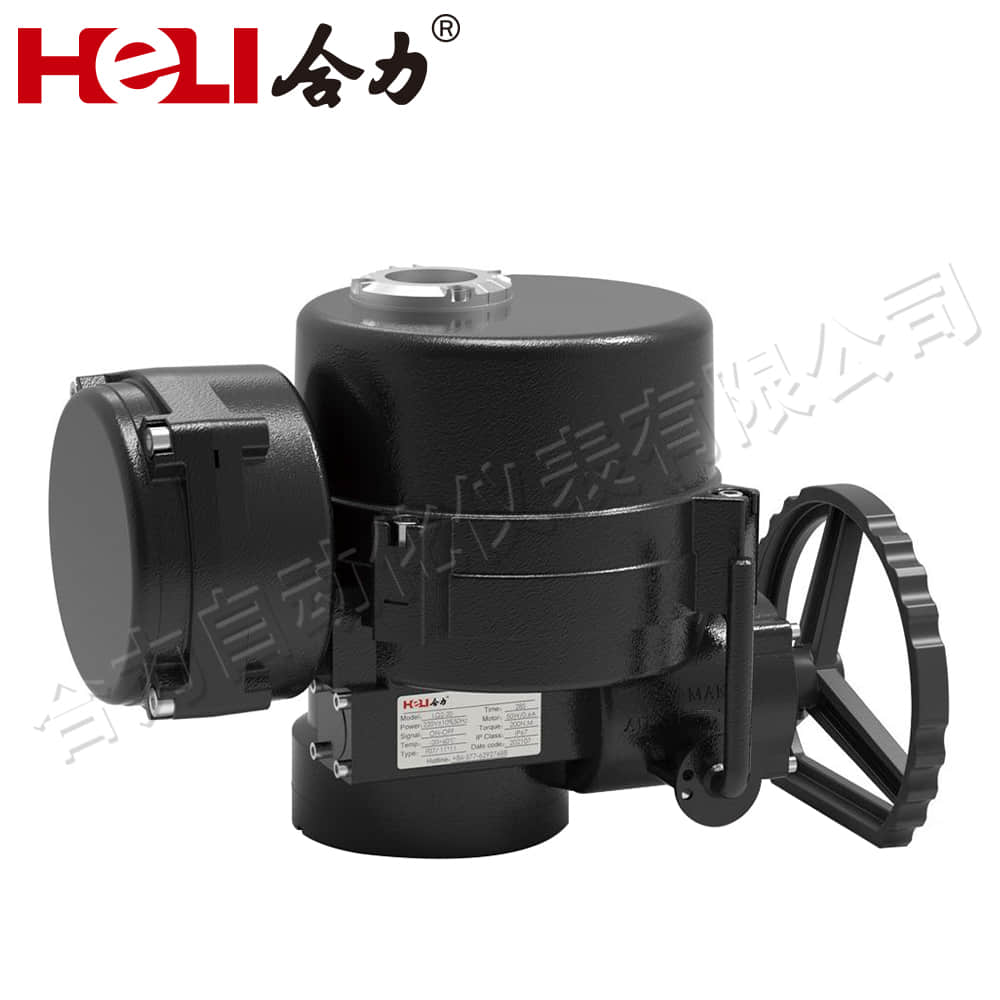
In the ever-evolving landscape of industrial automation, the Explosion-Proof Intelligent Control Wireless Electric Actuator has emerged as a revolutionary technology, revolutionizing the way we approach hazardous environments and enhancing safety standards. This innovative actuator, designed with meticulous attention to detail and safety considerations, offers a wireless, intelligent control solution that is not only highly efficient but also inherently safe for use in potentially explosive atmospheres.
The Explosion-Proof Intelligent Control Wireless Electric Actuator is a testament to the fusion of advanced engineering and cutting-edge technology. Its explosion-proof design ensures that it can operate safely in environments where flammable gases, vapors, or dusts may be present, without the risk of igniting an explosion. This feature alone makes it a highly desirable choice for industries such as oil and gas, chemicals, and mining, where the potential for explosive atmospheres is ever-present.
The actuator’s intelligent control capabilities are another noteworthy aspect. It incorporates advanced algorithms and sensors that enable precise and responsive control of various industrial processes. Whether it’s regulating the flow of fluids, controlling the movement of machinery, or monitoring critical process parameters, the actuator excels in delivering seamless and reliable performance. The wireless functionality of the Explosion-Proof Intelligent Control Wireless Electric Actuator further adds to its versatility and convenience. It eliminates the need for wired connections, reducing the risk of cable damage and allowing for easier installation and maintenance. This wireless communication also enables remote monitoring and control, enhancing operational flexibility and efficiency.
In the realm of industrial safety, the Explosion-proof Electric Warlord stands as a testament to technological ingenuity and the relentless pursuit of accident prevention. This innovative device is not just a piece of machinery; it’s a guardian, a sentinel that ensures the safety of workers and the integrity of facilities in potentially explosive atmospheres.
The Explosion-proof Electric Warlord is designed to withstand the rigors of harsh environments where flammable gases, vapors, or dusts are present. Its core function is to prevent the ignition of these hazardous substances by eliminating any potential sources of ignition such as electric arcs or sparks. This is achieved through a combination of robust construction, special electrical insulation, and safety features that ensure the device operates safely even under extreme conditions.
The Electric Warlord’s explosion-proof capabilities are achieved through a multi-layer approach. The enclosure, typically made of heavy-duty metal, is designed to withstand the pressure wave generated by an internal explosion without rupturing. This ensures that any explosion that occurs within the device is contained, preventing it from spreading to the surrounding area. Additionally, the electrical components of the Electric Warlord are carefully selected and insulated to prevent the generation of ignition sources. This includes the use of special wiring and connectors that can withstand high temperatures and prevent the formation of arcs. The device is also equipped with safety switches and monitoring systems that detect any abnormal conditions and shut down the power supply immediately to prevent any potential hazards.
In the realm of industrial automation and control systems, the Explosion-proof Waterproof Electric Actuator plays a pivotal role. This unique device combines the functionalities of both explosion-proof and waterproof equipment, ensuring the safety and reliability of industrial processes in potentially hazardous environments.
The explosion-proof feature of this electric actuator is crucial in environments where flammable gases or vapors may be present. Such environments, commonly found in petrochemical plants, oil and gas facilities, and other industrial settings, require equipment that can operate safely without igniting the surrounding atmosphere. The actuator is designed with explosion-proof materials and seals, preventing any spark or heat generation that could potentially trigger an explosion.
The waterproof characteristic, on the other hand, ensures that the electric actuator can operate effectively even in wet or submerged conditions. This is essential in outdoor applications or in areas where exposure to water or moisture is inevitable. The waterproof design incorporates sealing mechanisms and materials that prevent water ingress, thus maintaining the actuator’s performance and longevity. The combination of these two features makes the Explosion-proof Waterproof Electric Actuator a highly versatile and reliable component for industrial applications. It can be used to control valves, pumps, and other equipment, ensuring smooth and safe operations even under extreme conditions.
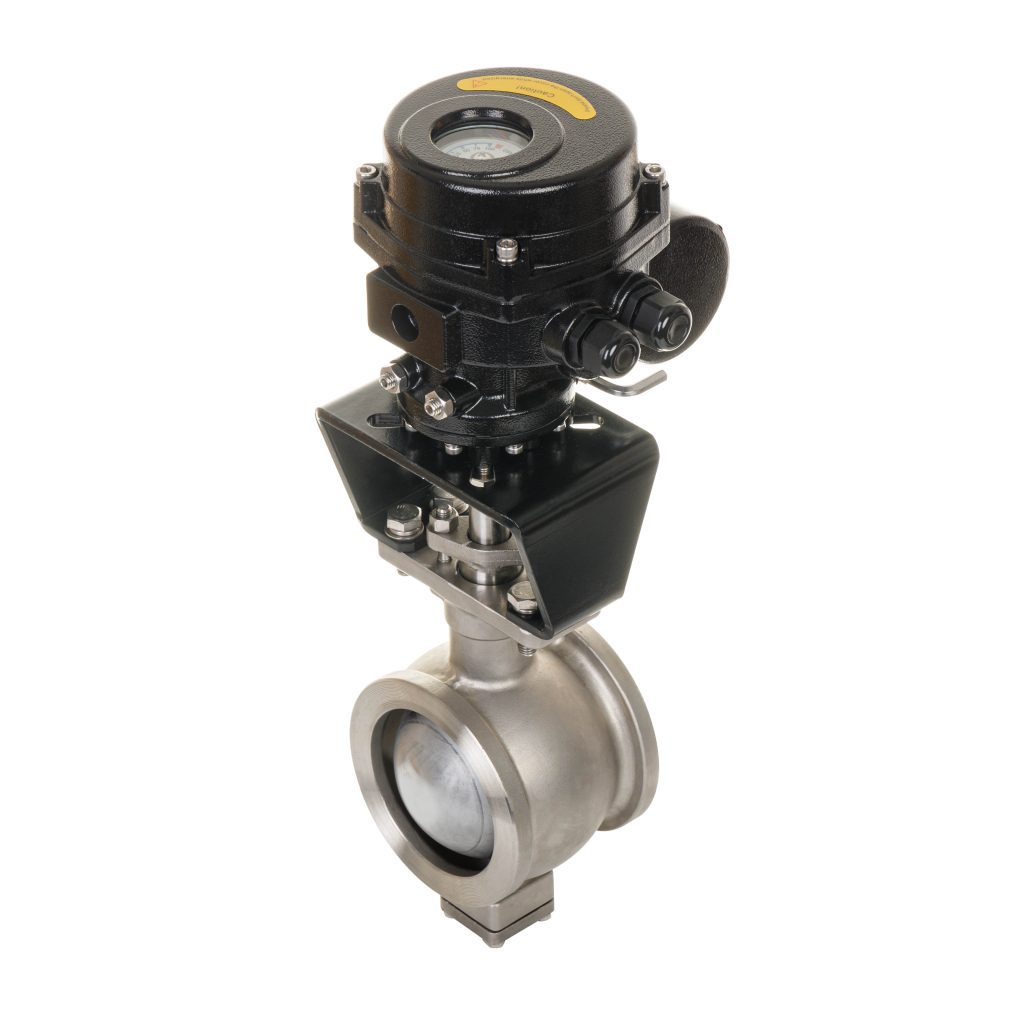
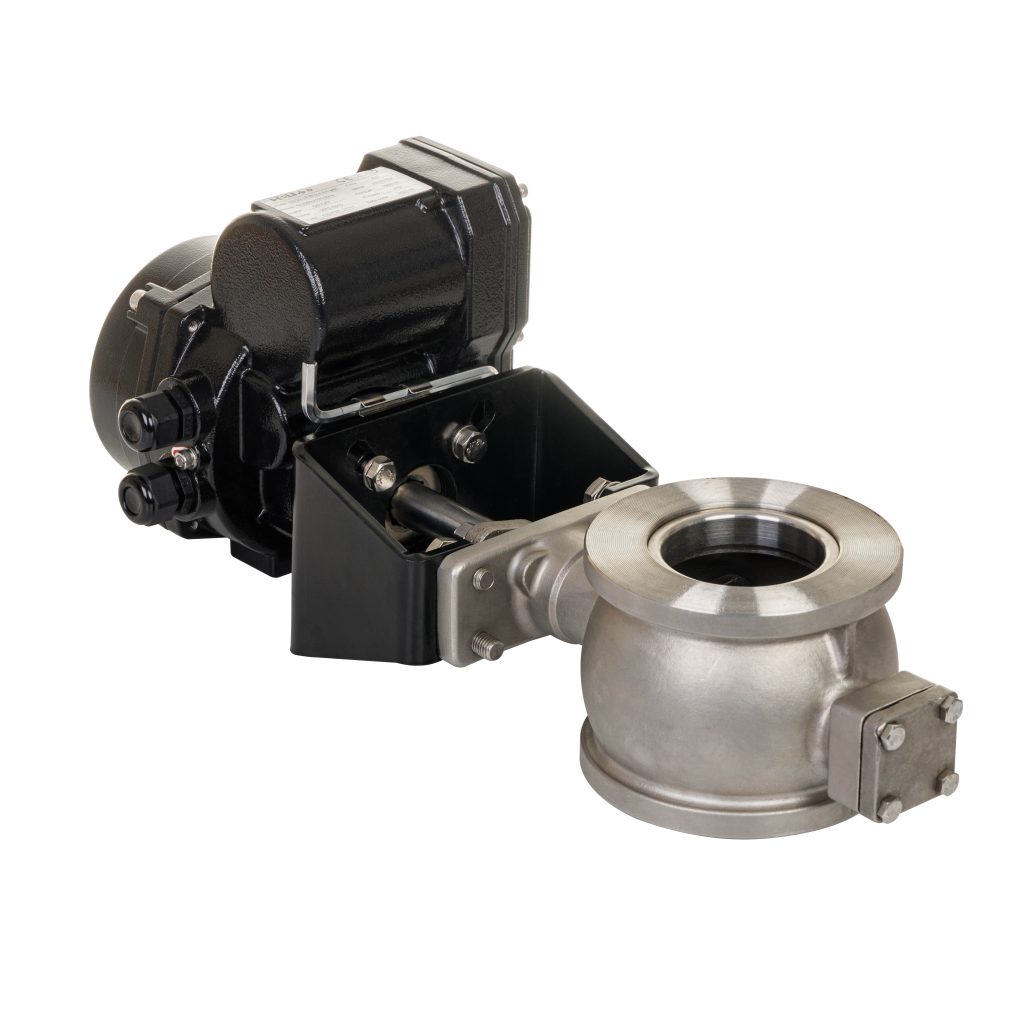
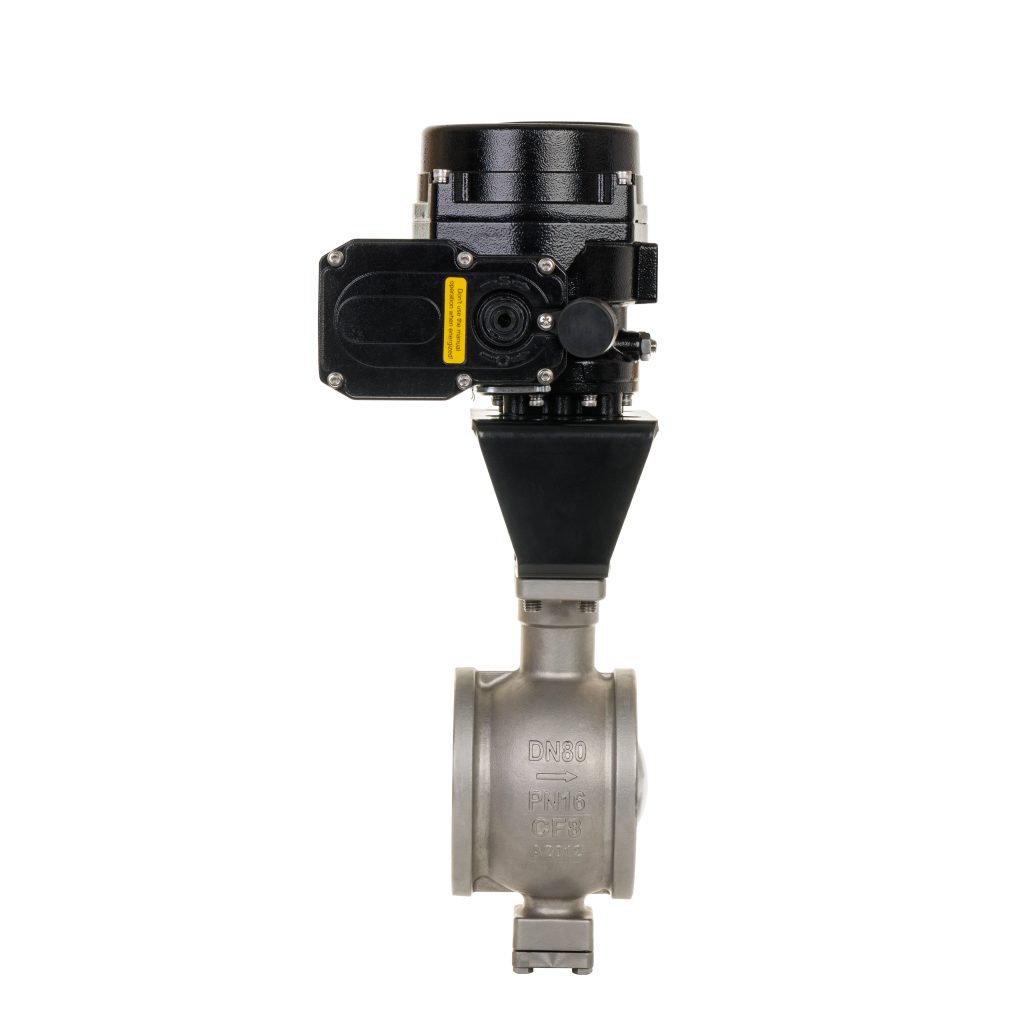
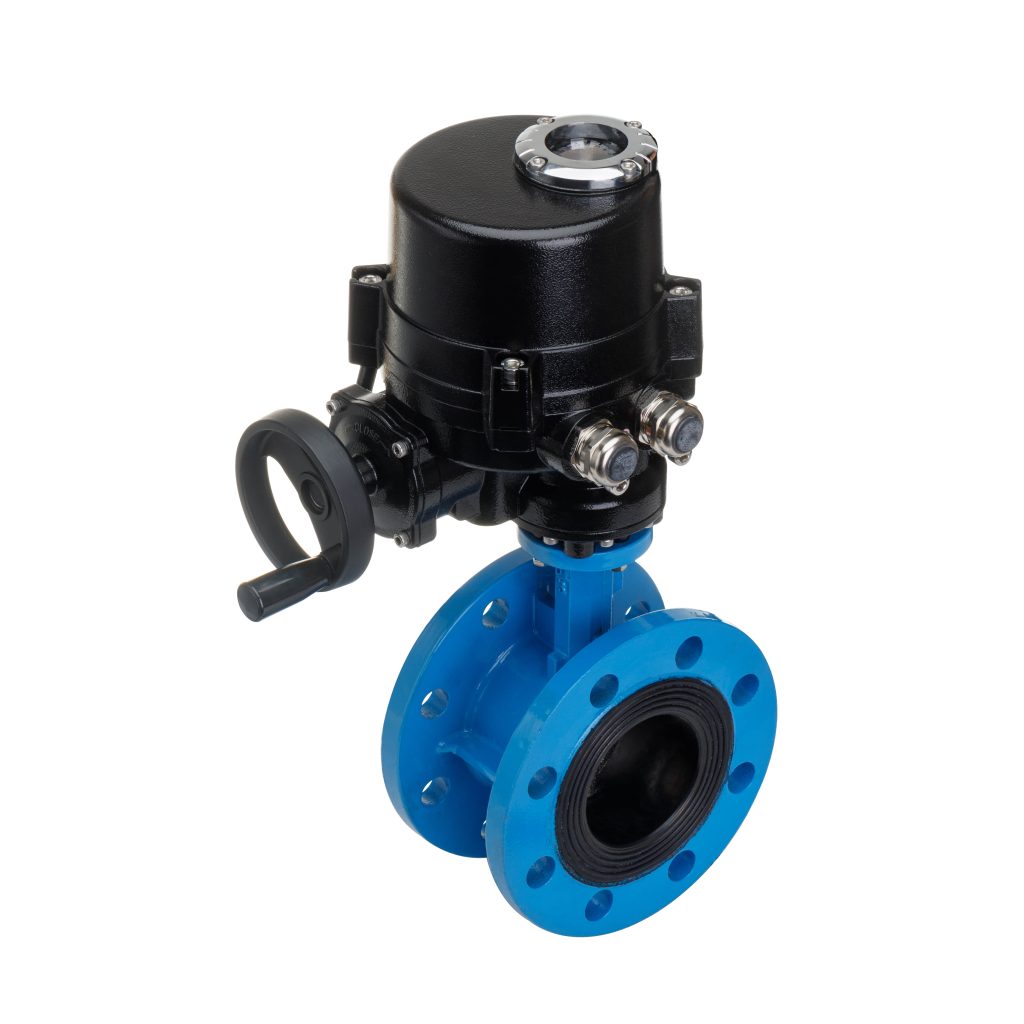
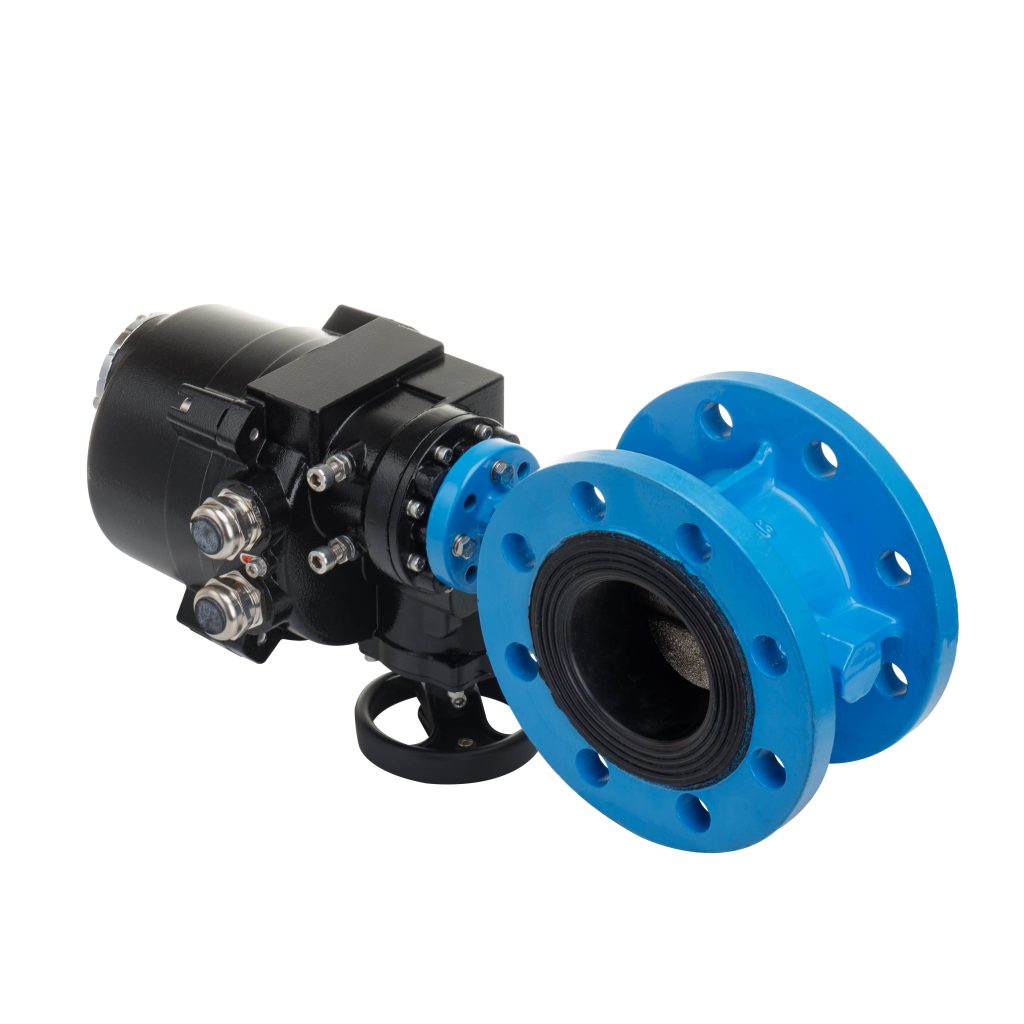
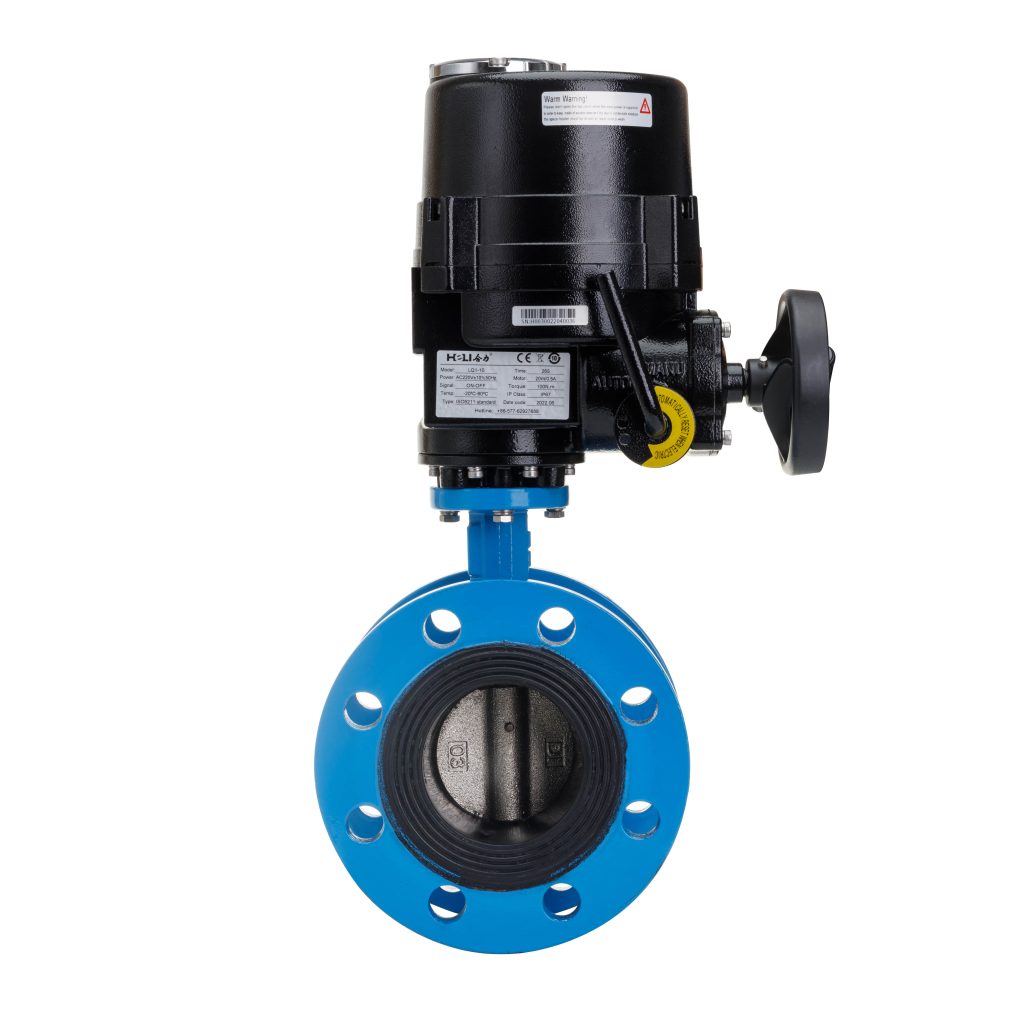
The Explosion-proof Electric Flanged Butterfly Valve, an integral part of industrial automation, ensures safe and efficient fluid control in potentially explosive environments. This article delves into the working principles, features, and applications of this crucial valve.
Introduction: In the realm of industrial automation, valves play a pivotal role in controlling the flow of fluids. Among them, the Explosion-proof Electric Flanged Butterfly Valve stands out due to its unique abilities to operate safely in environments prone to explosions. This valve combines the functionality of a traditional butterfly valve with explosion-proof technology, making it an indispensable component in hazardous industries. Working Principles: The Explosion-proof Electric Flanged Butterfly Valve operates on the principle of rotation. It consists of a disc, or butterfly, mounted on a pivot, which rotates to control the flow of fluid through the pipeline. When the butterfly is aligned with the pipeline, the fluid flows freely. Rotating the butterfly perpendicular to the flow path blocks the flow. This simple yet effective mechanism allows for quick and efficient control of fluid flow.