Monthly Archives: September 2023

The Efficiency and Comfort of Panel Thermostats

In today’s fast-paced world, the importance of energy efficiency and home comfort cannot be overstated. As technology continues to advance, so do our options for enhancing our living spaces. One such innovation that has gained significant attention is the panel thermostat. In this article, we will delve into the features, benefits, and the potential impact of panel thermostats on our daily lives.
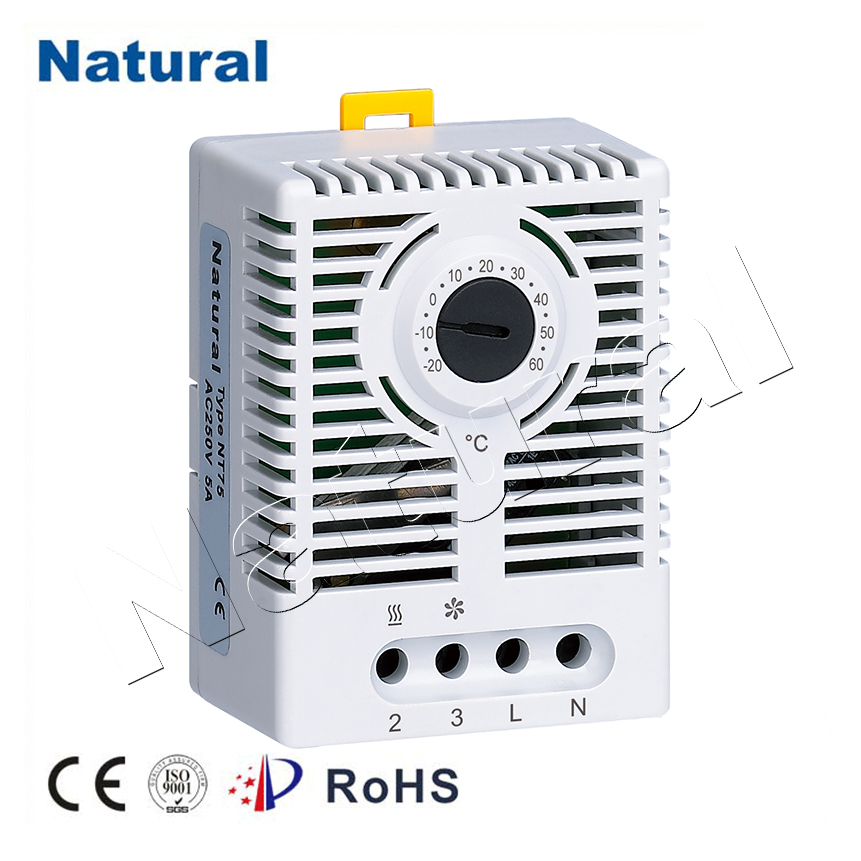
panel thermostat

Efficiency Redefined Panel thermostats represent a leap forward in the quest for energy efficiency. Unlike traditional thermostats that often require manual adjustments, panel thermostats utilize cutting-edge technology to optimize temperature control. Equipped with sensors that detect changes in the environment, these smart devices can adapt in real-time to maintain a comfortable climate while conserving energy. User-Friendly Interface The key to the success of panel thermostats lies in their user-friendly interfaces. Featuring sleek touchscreens and intuitive controls, these thermostats are incredibly easy to use. Adjusting the temperature, setting schedules, and even remotely managing your home’s climate can be accomplished with just a few taps. This level of control not only enhances convenience but also encourages more mindful energy consumption. Customized Comfort One of the standout features of panel thermostats is their ability to offer customized comfort. With programmable settings, users can establish personalized temperature profiles for different times of the day. This means waking up to a cozy warmth in the morning, returning to a perfectly cooled home in the afternoon, and enjoying a temperate evening atmosphere without lifting a finger. Such customization not only maximizes comfort but also contributes to energy savings by avoiding unnecessary heating or cooling. Remote Accessibility In our increasingly connected world, the convenience of controlling your home environment remotely cannot be ignored. Panel thermostats are often equipped with Wi-Fi capabilities, allowing users to monitor and adjust their home’s temperature from anywhere with a smartphone or computer. Imagine being able to adjust the thermostat while stuck in traffic, ensuring your home is just the way you want it when you arrive. This feature not only adds to convenience but also offers a heightened sense of control and peace of mind. Energy and Cost Savings The energy-saving potential of panel thermostats goes hand in hand with cost savings. By intelligently adjusting the temperature based on occupancy and user preferences, these devices can lead to substantial reductions in energy consumption. Over time, this translates to lower utility bills and a more sustainable lifestyle. Investing in a panel thermostat can thus be seen as a smart financial decision that pays dividends in the long run. Environmental Impact In an era where environmental concerns are at the forefront, panel thermostats play a role in reducing carbon footprints. By optimizing energy usage and minimizing waste, these devices contribute to a greener planet. With the collective impact of numerous households adopting such technology, the overall energy demand can be lowered, leading to a positive effect on the environment. Conclusion The evolution of home technology continues to shape the way we live, and panel thermostats are a prime example of this transformation. Their efficiency, user-friendly interface, customization options, remote accessibility, and environmental benefits make them a valuable addition to any modern home. As we prioritize energy conservation and personal comfort, panel thermostats offer a harmonious solution that blends convenience with sustainability. Embracing this innovation today could lead to a brighter, more efficient, and environmentally-conscious tomorrow.
Enhancing Air Quality with Panel Filters

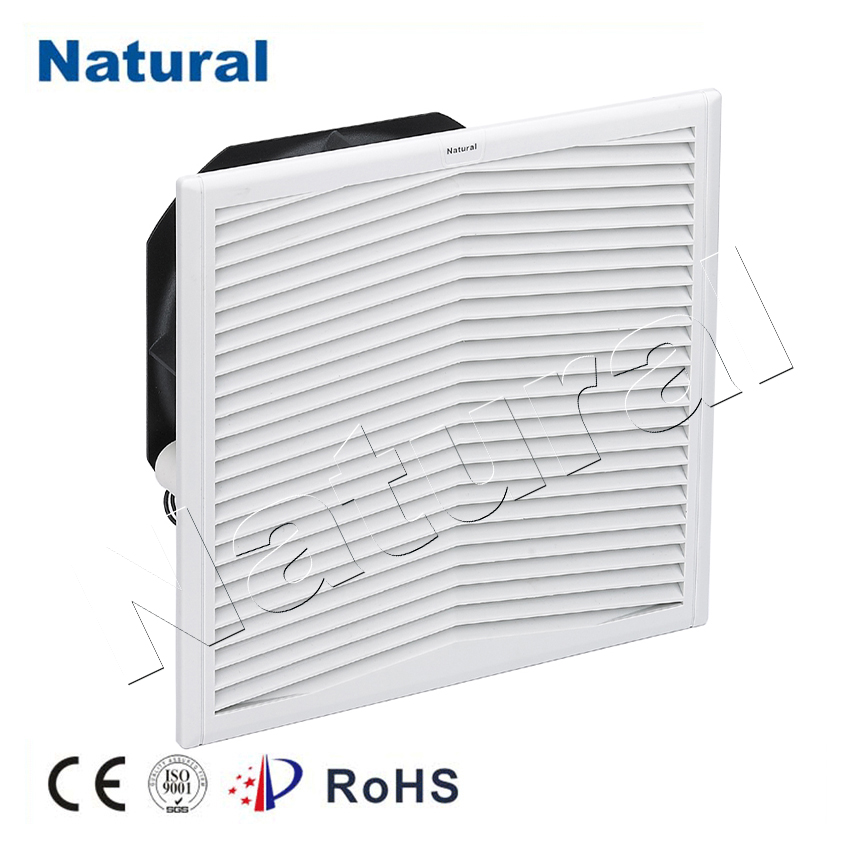
In today’s rapidly evolving world, air quality has become a paramount concern. With the increasing industrialization, urbanization, and environmental degradation, the air we breathe is often laden with pollutants and allergens that can pose significant health risks. As a result, there is a growing need for effective air filtration systems. One solution that has gained prominence in recent years is the panel filter.

panel filter

Panel filters, also known as flat filters, are an essential component of HVAC (Heating, Ventilation, and Air Conditioning) systems. These filters are designed to capture airborne particles such as dust, pollen, pet dander, and even some bacteria, thereby improving indoor air quality. They are typically made from materials like fiberglass, polyester, or cotton fibers, arranged in a flat, rectangular shape. The effectiveness of a panel filter is determined by its MERV (Minimum Efficiency Reporting Value) rating. This rating system ranges from 1 to 20, with higher values indicating a higher filtration efficiency. Panel filters with higher MERV ratings are capable of capturing even smaller particles, making them particularly useful for individuals with allergies or respiratory conditions. One of the significant advantages of panel filters is their ease of use and maintenance. They are usually disposable, and replacing them at regular intervals ensures optimal filtration efficiency. Additionally, cleaning the surrounding area and maintaining proper airflow around the filter can prolong its lifespan and effectiveness. Panel filters come in various sizes to fit different HVAC systems, and they can be custom-made to meet specific requirements. This adaptability makes them a versatile choice for both residential and commercial spaces. Installation is generally simple and can be carried out by homeowners or HVAC professionals. When it comes to energy efficiency, panel filters offer a favorable solution. By capturing particles before they accumulate in the HVAC system, these filters help maintain system efficiency, reducing the need for excessive energy consumption. This not only contributes to cost savings but also extends the lifespan of the HVAC equipment. However, like any technology, panel filters are not without limitations. While they are effective at capturing airborne particles, they might not be as efficient in removing certain gases or odors. In such cases, complementary technologies such as activated carbon filters may be used in conjunction with panel filters for enhanced air purification. In conclusion, panel filters play a crucial role in maintaining indoor air quality and promoting a healthier living environment. Their ease of use, adaptability, and effectiveness in capturing particles make them an essential component of modern HVAC systems. As the world continues to grapple with environmental challenges, investing in air filtration technologies like panel filters is a step toward safeguarding the well-being of individuals and communities. To harness the full potential of panel filters, it’s essential to choose the right filter for your specific needs and to adhere to a regular maintenance schedule. By doing so, you can ensure that your HVAC system operates efficiently while providing clean, fresh air for you and your loved ones.

Enhancing Air Quality with Panel Air Fan Filters

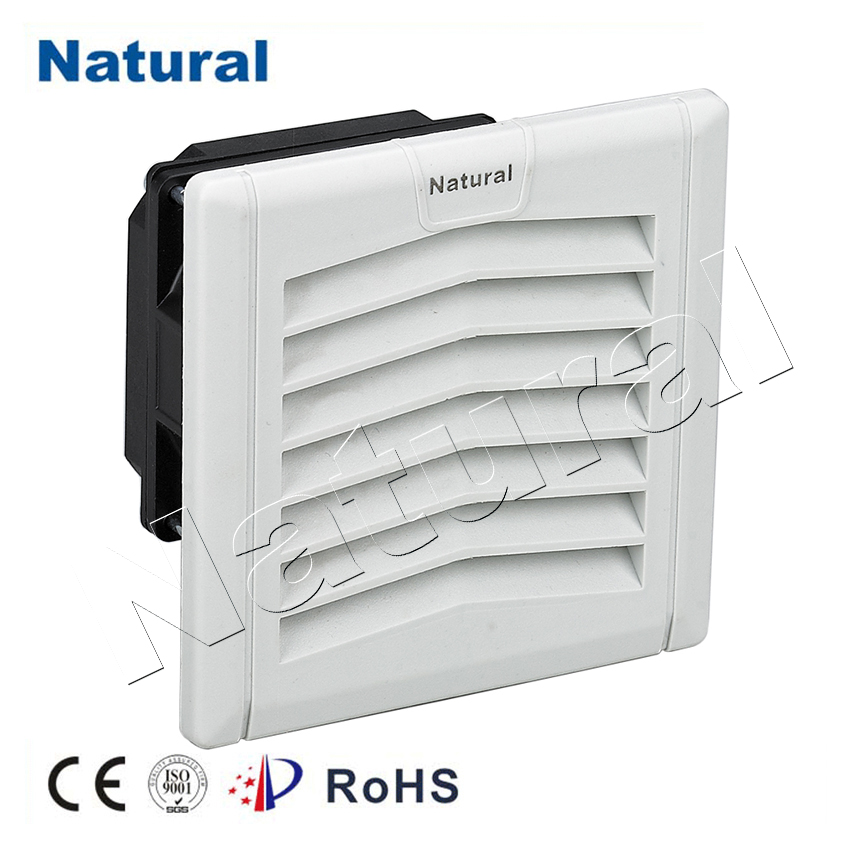
In today’s fast-paced world, indoor air quality is a growing concern. With the increasing prevalence of pollutants and allergens in our surroundings, ensuring clean and fresh air indoors has become a priority for many. One solution that has gained significant attention is the Panel Air Fan Filter. In this article, we will explore the features and benefits of this innovative device that plays a vital role in enhancing indoor air quality.

panel air fan filter

The Panel Air Fan Filter, as the name suggests, is a specialized filtration system designed to be integrated with air circulation systems, such as HVAC units and exhaust fans. Its primary function is to capture and eliminate airborne contaminants, including dust, pollen, pet dander, and even microscopic particles that can be harmful to human health. Let’s delve into some of the key advantages this filtration technology offers. Efficient Filtration:Panel Air Fan Filters are engineered to efficiently capture particles of various sizes. With multiple layers of filtration media, these filters can effectively trap even the tiniest particles, providing a thorough purification process. Improved Indoor Air Quality:By removing harmful particles from the air, Panel Air Fan Filters contribute to healthier indoor air quality. This is particularly beneficial for individuals who suffer from allergies, asthma, or other respiratory conditions. Extended Equipment Lifespan:These filters not only benefit the occupants but also help protect the equipment itself. By preventing dust and debris from entering the air circulation system, Panel Air Fan Filters can extend the lifespan and improve the efficiency of HVAC units and fans. Energy Efficiency:Cleaner air filters lead to more efficient air circulation systems. When the air pathways are clear, it requires less energy for the equipment to maintain the desired indoor temperature, ultimately resulting in reduced energy consumption. Easy Maintenance:Panel Air Fan Filters are designed for easy maintenance. Regular replacement of the filter ensures its continued effectiveness. The straightforward replacement process minimizes downtime and hassle. Customization Options:These filters come in various sizes and filtration levels, allowing users to select the most suitable option for their specific needs. This adaptability makes them a versatile choice for both residential and commercial spaces. Cost-Effective Solution:While the initial investment may seem like an added expense, the long-term benefits of improved air quality, energy savings, and extended equipment lifespan make Panel Air Fan Filters a cost-effective choice. Environmental Impact:Clean air isn’t just beneficial for humans—it also impacts the environment positively. By reducing energy consumption and enhancing overall system efficiency, these filters contribute to a smaller carbon footprint. Incorporating Panel Air Fan Filters into indoor spaces is a step towards a healthier and more comfortable living environment. However, it’s essential to note that while these filters are highly effective, they are most beneficial when used as part of a comprehensive approach to indoor air quality. Regular cleaning, proper ventilation, and minimizing indoor pollutants are equally crucial. In conclusion, the Panel Air Fan Filter is a remarkable innovation that addresses the increasing need for clean indoor air. Its ability to efficiently capture particles, improve air quality, extend equipment lifespan, and contribute to energy efficiency makes it a valuable addition to any indoor space. As technology continues to advance, solutions like these remind us that we have the means to create healthier and more sustainable living environments.

Exploring the Functionality of a Normally Open Thermostat

In today’s rapidly advancing technological landscape, smart devices have become an integral part of our daily lives, making our environments more comfortable, efficient, and convenient. One such innovation that often goes unnoticed but plays a crucial role in maintaining optimal temperatures is the “Normally Open Thermostat.” In this article, we will delve into the concept, working principle, applications, and benefits of this unassuming yet essential component.

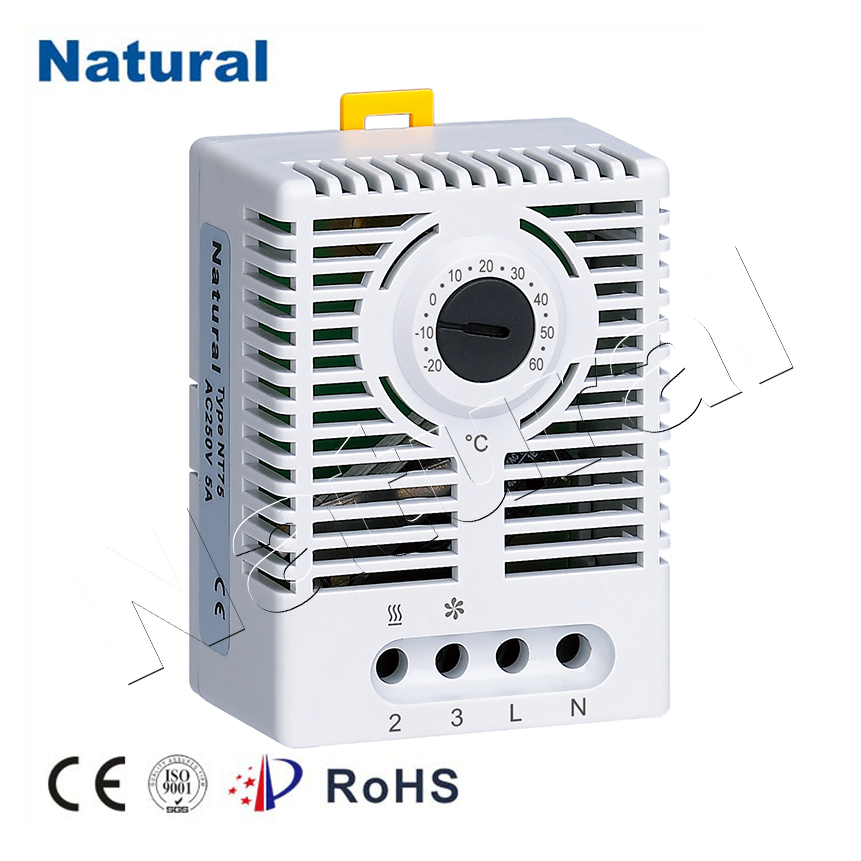
normally open thermostat

Understanding the Normally Open Thermostat A Normally Open Thermostat is a temperature-sensitive switch used to control heating or cooling equipment. Unlike traditional thermostats that are normally closed, meaning the circuit is complete when the temperature drops below a certain threshold, a Normally Open Thermostat operates in the opposite manner. The circuit remains open when the temperature is below the set point, and it closes to activate the connected equipment when the temperature rises beyond the predetermined threshold. How Does It Work? The mechanism of a Normally Open Thermostat is based on a bimetallic strip, which consists of two different metals with distinct coefficients of thermal expansion bonded together. As temperature changes, the strip bends due to the varying expansion rates of the metals. This bending action either opens or closes the electrical contacts, thereby controlling the circuit. When the temperature is lower than the set point, the bimetallic strip remains in its original position, keeping the circuit open. As the ambient temperature increases and surpasses the set point, the strip bends in response to the unequal expansion of the metals. This bending action causes the contacts to close, completing the circuit and activating the connected device, such as a heater or air conditioner. Applications in Daily Life Normally Open Thermostats find applications in various aspects of daily life. They are commonly employed in home heating systems, such as baseboard heaters and radiant panels, where they ensure that the temperature remains within a comfortable range. Additionally, these thermostats are used in refrigeration systems to maintain optimal cooling conditions. Advantages of Normally Open Thermostats Safety: One of the significant advantages of a Normally Open Thermostat is its safety feature. In case of a malfunction or power outage, the circuit remains open, preventing the equipment from operating and reducing the risk of overheating or other potential hazards. Energy Efficiency: These thermostats contribute to energy efficiency by preventing unnecessary cycling of the connected equipment. Since the circuit only closes when the temperature surpasses the set point, the equipment operates only when needed, reducing energy consumption. Reliability: The simplicity of the bimetallic strip mechanism makes Normally Open Thermostats reliable and long-lasting. There are minimal moving parts, reducing the likelihood of mechanical failure. Compatibility: These thermostats are compatible with a wide range of heating and cooling systems, making them versatile and suitable for various applications. Conclusion While the Normally Open Thermostat may not be as flashy as some other smart devices, its significance in maintaining comfortable living and working environments cannot be understated. Through its unique operation and advantages such as safety, energy efficiency, and reliability, this unassuming component plays a crucial role in our daily lives. As technology continues to advance, it’s essential to recognize and appreciate the simple yet impactful innovations that enhance our overall quality of life.

Exploring Normally Open and Normally Closed Thermostat Thermal Protectors

Thermal protection devices play a crucial role in safeguarding various electrical and electronic appliances from overheating. Among these devices, normally open and normally closed thermostat thermal protectors are widely used to ensure optimal performance and prevent potential hazards. In this article, we will delve into the workings of these thermal protectors, highlighting their differences, applications, and importance.

normally open closed thermostat thermal protector

Understanding Normally Open and Normally Closed Thermostat Thermal Protectors Normally open (NO) and normally closed (NC) are terms that describe the initial state of a switch within a thermal protector when it is at room temperature and operating under normal conditions. A thermostat thermal protector comprises a temperature-sensitive mechanism that triggers the switch to change its state once a certain temperature threshold is exceeded. Normally Open (NO) Thermostat:In a normally open thermostat thermal protector, the switch is open at room temperature, interrupting the electrical circuit. When the temperature rises beyond the predetermined threshold, the switch closes, completing the circuit and allowing current to flow. This action is intended to shut down the appliance or equipment, preventing further temperature rise and potential damage. Normally Closed (NC) Thermostat:Conversely, a normally closed thermostat thermal protector begins with the switch in a closed state at room temperature, allowing current to flow through the circuit. Once the temperature surpasses the set threshold, the switch opens, breaking the circuit and stopping the current flow. This protects the appliance from overheating and potential malfunction. Applications and Importance Normally Open (NO) Thermostat:NO thermostat thermal protectors are often used in applications where safety is of paramount importance. They find their place in scenarios where power needs to be cut off immediately upon overheating. Examples include hairdryers, irons, and certain types of electric motors. By swiftly disconnecting the power source, these thermal protectors help prevent fires and extend the lifespan of the appliance. Normally Closed (NC) Thermostat:NC thermostat thermal protectors are commonly employed in situations where a gradual cooldown is desired after reaching the threshold temperature. Refrigerators, air conditioners, and water heaters are typical examples of appliances that benefit from NC thermal protectors. These protectors enable controlled cycling of the equipment, allowing them to maintain a steady temperature range and preventing abrupt disruptions in operation. Choosing the Right Protector for the Job Selecting between normally open and normally closed thermostat thermal protectors depends on the specific requirements of the application. Factors such as the appliance’s function, potential risks associated with overheating, and desired safety measures all come into play. Manufacturers carefully evaluate these aspects to ensure optimal performance and customer satisfaction. In conclusion, normally open and normally closed thermostat thermal protectors are indispensable components that enhance the safety and reliability of electrical appliances. Their distinct operating mechanisms cater to different applications, offering the flexibility to tailor thermal protection to specific needs. As technology continues to advance, these protectors will undoubtedly evolve, providing even more efficient and precise means of safeguarding our devices from thermal stress.

Exploring the Efficiency and Applications of Mechanical Temperature Switches

Introduction

mechanical temperature switch

Mechanical temperature switches are vital components in various industrial processes and consumer applications. These devices play a crucial role in maintaining temperature control, triggering actions when a predefined temperature threshold is reached. This article delves into the functionality, benefits, and applications of mechanical temperature switches. Functionality and Components Mechanical temperature switches are designed to respond to changes in temperature by using a bimetallic strip or other temperature-sensitive elements. The bimetallic strip consists of two metal layers with different coefficients of thermal expansion, bonded together. As the temperature rises or falls, the strip bends due to the differing expansion rates of the metals, ultimately activating the switch. This simple yet effective mechanism is at the core of mechanical temperature switches. Benefits of Mechanical Temperature Switches Reliability: Mechanical temperature switches are known for their reliability and durability. Unlike electronic components that might be sensitive to external factors, these switches are robust and can withstand harsh environments. Cost-Effective: Compared to electronic temperature sensors and controllers, mechanical switches are often more cost-effective to manufacture and maintain, making them a preferred choice in applications where precision is not the primary concern. Ease of Use: Mechanical temperature switches are easy to install and require minimal setup. Once the desired temperature threshold is set, the switch will consistently respond to temperature changes without the need for frequent adjustments. Applications Industrial Processes: Mechanical temperature switches are widely used in industrial processes to control the temperature of machinery, prevent overheating, and ensure safe operations. They can trigger cooling systems, ventilation fans, or shut down equipment in case of temperature deviations. HVAC Systems: Heating, ventilation, and air conditioning systems utilize mechanical temperature switches to regulate room temperature. These switches help maintain a comfortable environment by activating heating or cooling systems as needed. Appliances: Many household appliances, such as ovens, refrigerators, and water heaters, incorporate mechanical temperature switches to control their internal temperature and ensure efficient operation. Automotive: Mechanical temperature switches are employed in vehicles to monitor and regulate engine temperature. In case of overheating, the switch can activate warning indicators or even shut down the engine to prevent damage. Safety Devices: Fire safety systems often employ mechanical temperature switches to detect abnormal rises in temperature. When triggered, these switches can activate alarms, sprinkler systems, or other emergency measures. Industrial Alarms: Mechanical temperature switches serve as part of industrial alarm systems that monitor temperature-sensitive processes. If the temperature exceeds safe limits, the switch can activate audible or visual alarms, prompting timely intervention. Conclusion Mechanical temperature switches offer a reliable, cost-effective, and straightforward solution for temperature control and monitoring across various applications. Their durability, ease of use, and ability to function in demanding environments make them indispensable components in industries ranging from manufacturing to consumer electronics. As technology advances, electronic alternatives continue to gain traction, but the enduring appeal of mechanical temperature switches lies in their simplicity, effectiveness, and wide-ranging applicability.

Exploring the Functionality and Applications of Mechanical Temperature Controllers

Introduction

mechanical temperature controller

In today’s technologically advanced world, temperature control is a crucial aspect in various industries and applications. Mechanical temperature controllers, although considered traditional in comparison to their electronic counterparts, play a significant role in regulating temperatures across different systems. This article delves into the functionality and applications of mechanical temperature controllers, highlighting their enduring relevance and effectiveness. Functionality of Mechanical Temperature Controllers Mechanical temperature controllers are devices designed to maintain a desired temperature range within a system by automatically adjusting the flow of a heating or cooling element. Unlike electronic controllers that rely on digital sensors and microprocessors, mechanical controllers employ mechanical components such as bimetallic strips, gas-filled bulbs, and springs to achieve their function. A bimetallic strip is a fundamental component in many mechanical controllers. It consists of two different metal strips bonded together, each with different coefficients of thermal expansion. As the temperature changes, the strips bend due to the uneven expansion, triggering a mechanical action that controls the temperature-regulating mechanism. Applications in Various Industries HVAC Systems:Mechanical temperature controllers are widely used in heating, ventilation, and air conditioning (HVAC) systems. These controllers help maintain a comfortable indoor environment by regulating the heating and cooling elements based on the temperature setpoint. Household Appliances:Traditional household appliances like ovens, toasters, and refrigerators often utilize mechanical temperature controllers. These controllers ensure that the appliances operate within safe temperature ranges, preventing overheating or under-cooling. Industrial Processes:Mechanical temperature controllers are found in various industrial processes that require specific temperature control. Industries such as food production, chemical manufacturing, and metalworking rely on these controllers to maintain optimal operating conditions. Automotive Sector:Some components in vehicles require precise temperature control. Mechanical controllers can be found in engine cooling systems, cabin heating, and air conditioning units. Advantages of Mechanical Temperature Controllers Reliability:Mechanical controllers have a proven track record of reliability over time. They are less prone to electronic malfunctions and can withstand harsh environmental conditions. Simplicity:The straightforward design of mechanical controllers makes them easy to install, operate, and maintain. They often require minimal calibration. Cost-Effectiveness:Mechanical controllers are generally more affordable than their electronic counterparts, making them a preferred choice in applications where advanced digital features are not necessary. Limitations and Future Considerations While mechanical temperature controllers have their advantages, they do come with limitations. Their accuracy might be lower compared to electronic controllers, and they might not be suitable for applications requiring extremely precise temperature regulation. As technology advances, there might be opportunities to integrate mechanical and electronic elements, creating hybrid systems that harness the benefits of both approaches. Conclusion In the realm of temperature control, mechanical temperature controllers continue to hold their ground as reliable and cost-effective solutions. Their enduring relevance is evident in their diverse applications across industries. As we look to the future, finding ways to enhance their accuracy and incorporate modern technologies could further extend their usefulness. Whether in HVAC systems, household appliances, or industrial processes, mechanical temperature controllers play a vital role in maintaining stable and controlled environments.

Exploring the Functionality and Applications of Mechanical Hygrostats

Introduction

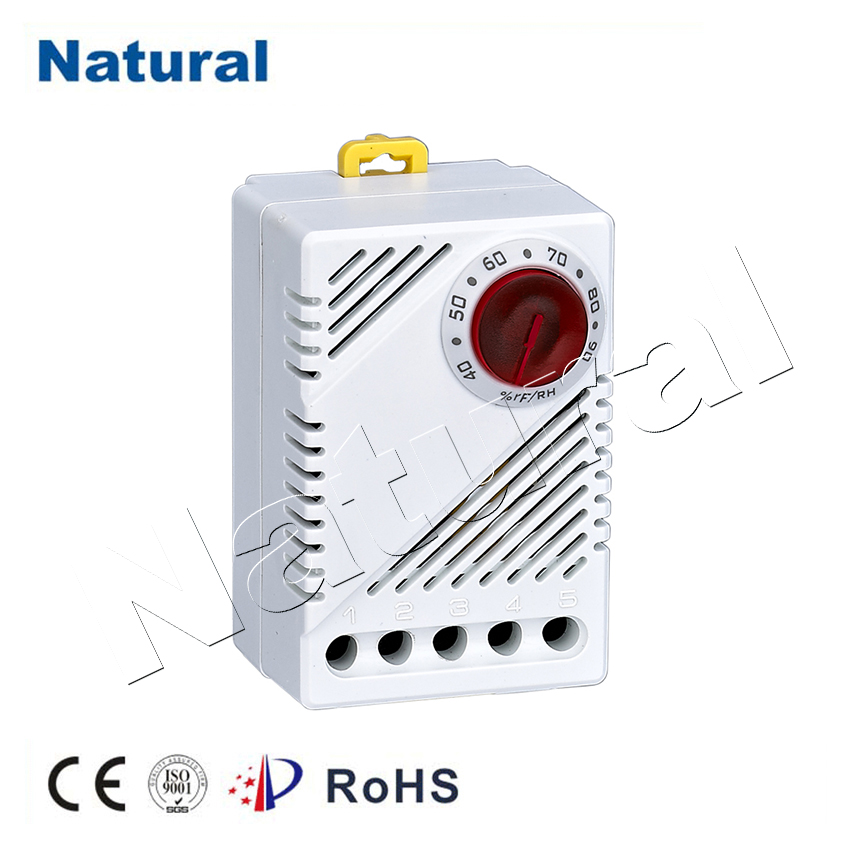
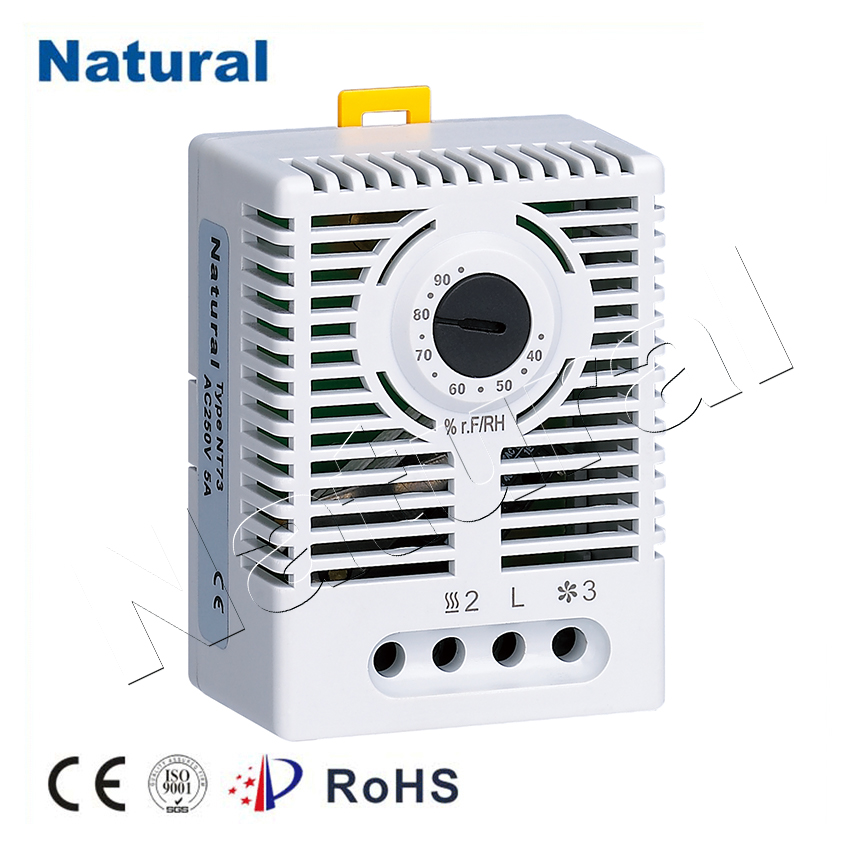
Mechanical Hygrostat

In today’s world of advanced technology, where automation and precision are paramount, even the simplest mechanisms play a crucial role in maintaining optimal conditions. One such mechanism is the mechanical hygrostat. In this article, we will delve into the functionality and applications of the mechanical hygrostat, shedding light on its importance in various industries and daily life. Functionality of Mechanical Hygrostats A mechanical hygrostat is a device designed to control humidity levels within a given environment. It operates based on the principle of hygroscopy, wherein certain materials absorb moisture from the air, causing them to expand or contract. This property is harnessed by the mechanical hygrostat to trigger a response when a specific humidity threshold is reached. Comprising a hygroscopic element and a mechanical linkage, the hygrostat operates as follows: when humidity levels rise, the hygroscopic element absorbs moisture, leading to its expansion. This expansion, in turn, triggers the mechanical linkage, which can be used to activate or deactivate various devices. Conversely, when humidity levels decrease, the hygroscopic element contracts, reversing the mechanical linkage’s action. This uncomplicated yet effective mechanism makes the mechanical hygrostat an invaluable tool for humidity regulation. Applications in Diverse Industries HVAC Systems: Heating, Ventilation, and Air Conditioning (HVAC) systems rely on mechanical hygrostats to maintain comfortable indoor environments. By controlling humidity levels, these systems prevent mold growth, enhance indoor air quality, and ensure optimal conditions for both occupants and equipment. Greenhouses and Agriculture: Agriculture often requires precise control of humidity levels to ensure optimal plant growth. Mechanical hygrostats play a crucial role in greenhouses by regulating humidity to prevent excess moisture that can lead to plant diseases. Museums and Archives: Artifacts, historical documents, and artworks are highly sensitive to changes in humidity. Mechanical hygrostats are utilized in museums and archives to maintain stable humidity levels, preserving these valuable items for future generations. Food and Beverage Industry: Proper humidity control is essential in the food and beverage industry to prevent spoilage and maintain product quality. Mechanical hygrostats help regulate storage environments, extending the shelf life of products. Manufacturing: Certain manufacturing processes, such as those involving textiles, wood, and pharmaceuticals, require specific humidity levels for optimal production. Mechanical hygrostats ensure consistency and quality in such processes. Residential Use: Mechanical hygrostats find their way into everyday homes, particularly in bathrooms, basements, and storage areas. By preventing excessive moisture, they help prevent mold growth and protect the structural integrity of the building. Advantages and Limitations Mechanical hygrostats offer several advantages. They are cost-effective, easy to install, and require minimal maintenance. Their mechanical nature makes them reliable even in harsh environments where electronic devices might fail. However, they may lack the precision and fine-tuning capabilities of electronic hygrostats, and their response times might be slower. Conclusion In a world increasingly driven by advanced technologies, the mechanical hygrostat reminds us that simplicity can still be remarkably effective. From HVAC systems to museums, greenhouses to manufacturing facilities, these unassuming devices play a pivotal role in maintaining optimal humidity levels. Their robustness and reliability make them an essential tool across diverse industries, safeguarding human comfort, product quality, and historical artifacts. As we continue to innovate, let’s not forget the fundamental mechanisms that contribute to a well-balanced and controlled environment.

Exploring the Efficiency and Innovation of the KTS011 Thermostat

In the realm of modern technology, home automation has taken center stage, offering us a more convenient and energy-efficient way of managing our living spaces. Among the many innovative devices available, the KTS011 thermostat shines as a remarkable example of advanced temperature control technology. In this article, we will delve into the features and benefits of the KTS011 thermostat, highlighting its role in enhancing comfort and sustainability.

kts011 thermostat

The KTS011 thermostat is a cutting-edge device designed to regulate temperatures within various environments, from residential spaces to industrial settings. It boasts a range of features that set it apart from conventional thermostats, making it a preferred choice for those seeking optimal temperature control and energy savings. One of the standout features of the KTS011 thermostat is its precise temperature sensing capability. Equipped with state-of-the-art sensors, the device can accurately detect even the slightest changes in temperature, ensuring that your space remains consistently comfortable. This accuracy leads to reduced temperature fluctuations, eliminating the need for constant manual adjustments and ultimately contributing to a more comfortable living or working environment. Energy efficiency is a key consideration in today’s world, and the KTS011 thermostat addresses this concern admirably. By maintaining a steady temperature and preventing unnecessary heating or cooling, the device helps to reduce energy consumption, leading to lower utility bills and a reduced carbon footprint. This level of control can be especially beneficial in commercial buildings where large-scale temperature regulation plays a pivotal role in overall energy management. The KTS011 thermostat’s versatility is another aspect that deserves attention. It can be seamlessly integrated into various heating and cooling systems, whether you have a central air conditioning system, a standalone heater, or a combination of both. This adaptability ensures that users from different backgrounds can enjoy the benefits of precise temperature control without the need for extensive system overhauls. For those who value convenience, the KTS011 thermostat offers remote access and control via smart devices. Through dedicated apps, users can adjust settings, monitor temperatures, and even set up schedules from anywhere with an internet connection. This remote accessibility is particularly handy for individuals with busy schedules, as it allows them to optimize their environment while on the go. Installation of the KTS011 thermostat is designed to be user-friendly, catering to both DIY enthusiasts and those who prefer professional assistance. Clear instructions and intuitive interfaces guide users through the setup process, ensuring that the device is up and running in no time. This ease of installation makes it accessible to a wider audience, contributing to its popularity. In conclusion, the KTS011 thermostat stands as a testament to the progress and innovation in temperature control technology. Its precision, energy efficiency, versatility, and user-friendly nature combine to offer a comprehensive solution for managing indoor climates. As we continue to prioritize comfort and sustainability in our living and working spaces, the KTS011 thermostat paves the way for a more efficient and enjoyable future.

Exploring the KTS011 Temperature Controller: Precision in Temperature Management

In the realm of modern technology, precision and control have become the benchmarks of efficiency and performance. The KTS011 Temperature Controller stands as a remarkable example of this, offering a sophisticated solution for managing temperatures with unparalleled accuracy and reliability. In this article, we delve into the features and applications of the KTS011 Temperature Controller, showcasing its significance across various industries.

kts011 temperature controller

The KTS011 Temperature Controller is engineered to provide a seamless and dependable means of maintaining optimal temperatures in diverse environments. Its compact design houses a range of advanced sensors and components that work harmoniously to achieve temperature regulation that leaves no room for error. This level of precision is of paramount importance in industries such as manufacturing, healthcare, and research, where even the slightest deviations from the desired temperature can lead to compromised outcomes. One of the standout features of the KTS011 is its adaptable nature. With customizable temperature settings and intuitive controls, this controller can be fine-tuned to cater to specific requirements. Whether it’s ensuring the ideal fermentation conditions in a biotech lab or preserving the freshness of perishable goods during transport, the KTS011 can be tailored to deliver optimal results across a spectrum of applications. Furthermore, the KTS011’s user-friendly interface and data visualization capabilities set it apart from its counterparts. Real-time temperature readings, historical data, and predictive analytics empower users to make informed decisions and adjustments. This not only streamlines operations but also minimizes the risk of temperature-related mishaps. In the realm of food and beverage, the KTS011 finds extensive application. From wineries meticulously controlling fermentation temperatures to chocolate manufacturers orchestrating the delicate tempering process, precision is the key to unlocking consistent quality. The KTS011’s ability to offer stability in temperature-sensitive environments contributes to the success of these industries by minimizing waste and maximizing product excellence. Medical facilities also benefit greatly from the KTS011’s prowess. The storage of vaccines, medicines, and biological samples necessitates strict temperature control to maintain efficacy and integrity. Here, the KTS011 steps in as a guardian, ensuring that temperature fluctuations never compromise the potency of life-saving substances. Industrial manufacturing processes, too, rely on the KTS011 for enhanced quality control. Whether it’s the creation of delicate semiconductors or the molding of complex plastics, maintaining optimal temperatures can significantly reduce defects and enhance overall output quality. The KTS011’s dependable performance under extreme conditions makes it an indispensable tool in the manufacturing sector. In conclusion, the KTS011 Temperature Controller stands as a beacon of precision in temperature management. Its adaptability, user-friendly interface, and application versatility make it an asset across various industries. As technology continues to advance, the demand for precision and control will only intensify, and the KTS011 is well-poised to meet and exceed these expectations. Whether it’s fine-tuning a fermentation process or safeguarding critical medical supplies, the KTS011’s impact reverberates far and wide, solidifying its place as a cornerstone of modern temperature control technology.