Monthly Archives: September 2023

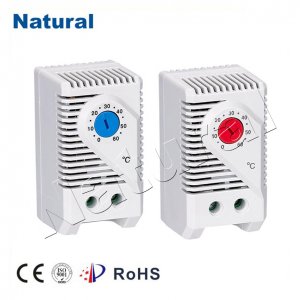
Tamper-Proof Thermostats: Enhancing Energy Efficiency and Security

In the ever-evolving landscape of smart home technology, tamper-proof thermostats have emerged as a significant innovation that not only enhances energy efficiency but also bolsters security. These intelligent devices are reshaping the way we interact with our living spaces, offering a blend of convenience, sustainability, and protection. In this article, we will delve into the world of tamper-proof thermostats, exploring their features, benefits, and the impact they have on modern living.
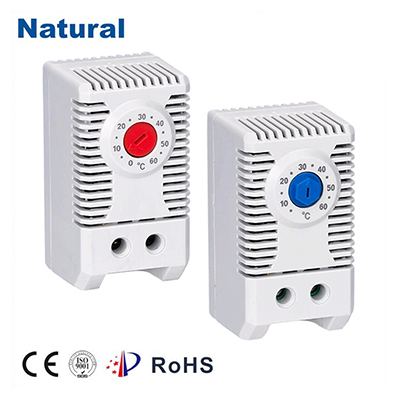
Tamper-proof Thermostat

The Evolution of Thermostats: From Analog to Smart Traditionally, thermostats were simple analog devices that allowed homeowners to manually adjust indoor temperatures. With the advent of digital technology, programmable thermostats offered the ability to schedule temperature changes, optimizing energy consumption. However, the introduction of smart thermostats took this concept to new heights by enabling remote control through smartphones and learning from user behaviors to autonomously regulate temperatures. The Concept of Tamper-Proof Thermostats Tamper-proof thermostats are a specialized subset of smart thermostats designed to prevent unauthorized access and tampering. Built with advanced security features, these devices ensure that only authorized users can make adjustments, which is particularly valuable in environments such as rental properties, commercial spaces, and public buildings. This innovation not only safeguards against unwarranted temperature changes but also helps conserve energy by maintaining optimal settings. Key Features and Benefits Access Control:Tamper-proof thermostats often employ PIN codes, biometric recognition, or remote authorization mechanisms to limit access. This prevents unauthorized individuals from making adjustments, thus maintaining a consistent and energy-efficient environment. Energy Efficiency:By preventing tampering, these thermostats ensure that carefully calibrated settings remain intact, reducing energy wastage caused by abrupt temperature changes. This contributes to lower utility bills and a reduced carbon footprint. Data Security:Tamper-proof thermostats usually come with enhanced data encryption and secure communication protocols. This shields user data from potential breaches, ensuring personal information and usage patterns remain confidential. Remote Monitoring:Property managers, homeowners, and facility supervisors can remotely monitor and adjust thermostat settings, enabling real-time control and rapid response to changing conditions. Learning Capabilities:Many tamper-proof thermostats integrate learning algorithms that adapt to users’ preferences and daily routines, optimizing temperature settings automatically while still maintaining security. Maintenance Alerts:These devices often offer maintenance alerts, notifying users or property managers about system performance issues or the need for servicing, ensuring uninterrupted functionality. Impact on Modern Living The integration of tamper-proof thermostats into smart homes, offices, and public spaces has multifaceted implications: Tenant Satisfaction:In rental properties, tenants can enjoy comfortable environments without the worry of unauthorized adjustments, enhancing their overall living experience. Energy Conservation:By preventing temperature fluctuations due to tampering, energy consumption remains stable, reducing the strain on power grids and lessening the environmental impact. Remote Management:Property managers and building supervisors gain greater control over energy usage, leading to more efficient building operations and cost savings. Security Enhancement:The robust security features of tamper-proof thermostats contribute to overall property security, ensuring that only authorized individuals can access and modify settings. In Conclusion Tamper-proof thermostats represent a remarkable intersection of energy efficiency and security in the realm of smart home technology. With their access control mechanisms, energy-saving potential, and data protection features, they are paving the way for a more sustainable, secure, and convenient future. As technology continues to advance, these devices are poised to play an increasingly significant role in shaping the way we interact with our living and working spaces.
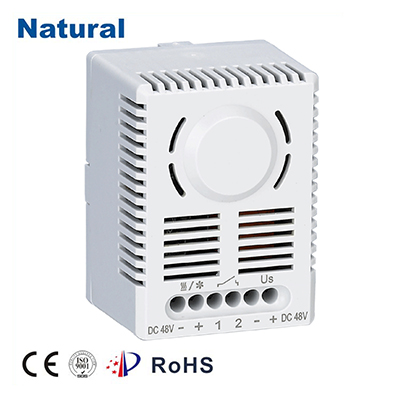
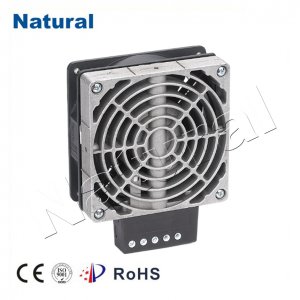
The Role and Importance of Switch Temperature Protector Thermostats

Introduction

switch temperature protector thermostat

In today’s world, where technological advancements continue to shape our lives, devices’ safety and efficiency are of paramount importance. Among these devices, switch temperature protector thermostats play a crucial role. These small yet powerful components ensure that various electronic and electrical systems operate within safe temperature ranges. This article delves into the significance and functionality of switch temperature protector thermostats, exploring their various applications and benefits. The Functionality of Switch Temperature Protector Thermostats Switch temperature protector thermostats are specialized devices designed to monitor and regulate temperature levels. They act as safeguards against overheating, preventing potential damage to devices and systems due to excessive temperatures. These thermostats are equipped with a temperature-sensitive element that reacts to changes in temperature, causing the switch to open or close, thus controlling the flow of current and maintaining a stable operating temperature. Applications in Consumer Electronics Consumer electronics, such as laptops, smartphones, and gaming consoles, rely on switch temperature protector thermostats to prevent overheating. These devices generate heat during operation, and without proper regulation, they can become dangerous or malfunction. Switch temperature protector thermostats ensure that these devices remain within safe temperature ranges, protecting both the device and the user. Industrial and Commercial Uses Beyond consumer electronics, switch temperature protector thermostats find extensive use in industrial and commercial settings. Machinery, manufacturing processes, and even HVAC systems depend on these thermostats to prevent overheating. For instance, in a manufacturing plant, critical equipment can be susceptible to overheating, leading to downtime, costly repairs, and production delays. Switch temperature protector thermostats provide a cost-effective solution to mitigate these risks. Energy Efficiency and Cost Savings One of the key advantages of switch temperature protector thermostats is their contribution to energy efficiency. By maintaining optimal operating temperatures, these thermostats reduce the energy consumed by devices. In industrial settings, the efficient operation of machinery driven by these thermostats leads to significant energy savings, aligning with sustainability goals and cost-cutting initiatives. Enhanced Device Lifespan Excessive heat is a major factor contributing to the wear and tear of electronic components over time. Switch temperature protector thermostats extend the lifespan of devices by preventing them from operating at elevated temperatures that could accelerate degradation. This not only reduces the frequency of replacements but also minimizes electronic waste. Innovations and Future Trends As technology continues to evolve, so do switch temperature protector thermostats. Advancements in materials science and sensor technology are leading to more accurate and reliable thermostats. Additionally, the integration of smart and IoT technologies allows for remote monitoring and control of temperature levels, adding an extra layer of convenience and safety. Conclusion Switch temperature protector thermostats are unsung heroes in the world of electronics, ensuring safe and efficient operation across a wide range of devices and systems. From consumer electronics to industrial machinery, these small devices play a pivotal role in preventing overheating, saving energy, and prolonging the lifespan of equipment. As technology progresses, the capabilities of switch temperature protector thermostats will likely continue to expand, making our devices even safer and more sustainable in the years to come.

Embracing Efficiency and Comfort with the Space-saving Fan Heater

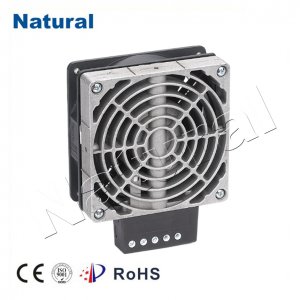
In our modern world, where technology continually evolves to enhance convenience and comfort, the space-saving fan heater has emerged as a brilliant solution for keeping us warm during colder months. As living spaces become more compact and efficient, this innovative appliance combines heating prowess with a small footprint, revolutionizing the way we experience warmth in our homes.

Space-saving Fan Heater

Gone are the days of bulky heaters dominating valuable floor space. The space-saving fan heater is a versatile and sleek addition to any living area. Its compact size allows it to be effortlessly integrated into different corners of a room, making it an ideal choice for apartments, offices, and even smaller houses. Its unobtrusive design ensures that it harmonizes with the existing decor, complementing the aesthetics of the space. Despite its diminutive size, the space-saving fan heater doesn’t compromise on its primary function: delivering efficient and rapid heating. Equipped with advanced heating technology, it can quickly raise the temperature of a room, providing instant relief from the biting cold. This is particularly beneficial for those chilly mornings when all you desire is a cozy and inviting environment. With adjustable settings, you have complete control over the level of warmth, ensuring that you can create the perfect ambiance according to your preferences. Safety is paramount when it comes to home appliances, and the space-saving fan heater doesn’t disappoint. Built-in safety features such as overheat protection and automatic shut-off mechanisms offer peace of mind, allowing you to enjoy its benefits without any worries. This makes it a suitable option for families with children and pets, as well as for individuals who value safety in their living spaces. Another remarkable aspect of the space-saving fan heater is its energy efficiency. Traditional heaters often consume substantial amounts of energy, leading to higher utility bills. In contrast, these modern heaters are designed to be energy-efficient, using smart technology to regulate heat output and maintain a comfortable temperature. This not only reduces energy consumption but also contributes to a more sustainable lifestyle by minimizing your carbon footprint. The fan functionality of this heater extends its usability beyond the cold seasons. During warmer months, it can serve as a cooling device, circulating air to create a pleasant indoor environment. This dual-functionality makes it a versatile year-round appliance, optimizing your investment and storage space. Portability is another advantage that the space-saving fan heater brings to the table. Its lightweight design and convenient carrying handles allow you to move it effortlessly from room to room, targeting specific areas that need extra warmth. Whether you’re working in your home office, watching a movie in the living room, or enjoying a cozy evening in the bedroom, this heater becomes your personalized heat source. In conclusion, the space-saving fan heater is a testament to innovation meeting comfort. Its compact design, efficient heating capabilities, safety features, energy efficiency, and versatile functionality make it an indispensable addition to modern living spaces. Embracing this technological marvel means embracing comfort without compromising on style or space. As we navigate the ever-evolving landscape of home appliances, the space-saving fan heater stands out as a symbol of a warm and cozy future, designed with both your comfort and convenience in mind.

The Marvel of Space Heaters: Unveiling Warmth from the Cosmos

In the realm of modern technology, space heaters have emerged as invaluable companions, providing efficient warmth in a compact form. These devices, once simple and utilitarian, have now evolved into sophisticated gadgets that not only keep us cozy during the coldest months but also reflect advancements in engineering and design. This article explores the evolution, mechanisms, benefits, and safety considerations of space heaters.

space heater

Evolution of Space Heaters The origins of space heaters trace back to ancient civilizations, where people harnessed fire for warmth. The concept evolved through various iterations, from wood-burning stoves to the first electric space heaters in the early 20th century. Today’s space heaters come in an array of types: convection heaters, radiant heaters, ceramic heaters, and even oil-filled heaters. Each type utilizes distinct mechanisms to generate heat, catering to diverse preferences and needs. Mechanisms of Heat Generation 1. Convection Heaters:These heaters operate by warming the air around them. Cold air enters the heater, gets heated through an internal element, and then rises as it becomes lighter. This creates a continuous flow of warm air, effectively heating the surrounding space. 2. Radiant Heaters:Radiant space heaters emit infrared radiation that directly heats objects and people in their line of sight. This type of heating is instantaneous, making it an excellent choice for quick warmth in smaller areas. 3. Ceramic Heaters:Ceramic heaters employ a ceramic heating element that heats up quickly and distributes warmth evenly. A fan helps circulate the heated air, making them energy-efficient choices for personal spaces. 4. Oil-Filled Heaters:These heaters contain thermal oil that is heated and then circulated throughout the heater’s fins. The oil retains heat, allowing the heater to emit warmth even after it’s turned off. This type is known for its silent operation and gradual, consistent heating. Benefits of Space Heaters Space heaters offer several advantages, making them an indispensable addition to households and workplaces: 1. Energy Efficiency:Space heaters allow users to heat specific areas rather than an entire building, leading to reduced energy consumption and lower utility bills. 2. Portability:Most space heaters are compact and lightweight, making them easy to move around and position where warmth is needed the most. 3. Quick Heating:Unlike central heating systems that take time to warm up an entire space, space heaters provide instant heat, offering comfort within minutes. 4. Zoned Heating:Space heaters empower users to customize their environment by creating warm zones in different areas, catering to individual comfort preferences. 5. Supplemental Heating:They can be used alongside central heating systems to provide additional warmth, especially in rooms that tend to be colder. Safety Considerations While space heaters offer numerous benefits, proper usage is crucial to ensure safety: 1. Placement:Keep space heaters away from flammable materials, such as curtains and furniture. Maintain a minimum distance of at least three feet around the heater. 2. Ventilation:Ensure proper ventilation in the room to prevent a buildup of carbon monoxide, especially when using fuel-burning space heaters. 3. Supervision:Never leave a space heater unattended, especially when it’s operational. Turn it off when leaving the room or going to bed. 4. Power Source:Plug space heaters directly into a wall outlet. Avoid using extension cords, which can overheat and cause fires. 5. Maintenance:Regularly clean your space heater according to the manufacturer’s instructions. Dust and debris accumulation can be a fire hazard. In conclusion, space heaters have evolved from humble beginnings to become sophisticated devices that provide us with warmth, comfort, and energy efficiency. With their diverse mechanisms and benefits, these heaters have found a permanent place in modern living. However, it’s essential to use them responsibly and follow safety guidelines to ensure a cozy and secure environment. So, as the chilly season approaches, let these marvels of technology envelop you in their soothing embrace, bringing the warmth of the cosmos into your abode.

Small Temperature Controller: Precision in a Compact Package

In various industries and applications, maintaining precise temperature control is paramount. From laboratories to manufacturing plants, the need for accurate and reliable temperature regulation has led to the development of innovative solutions. One such solution that has gained prominence is the small temperature controller. This article explores the features, applications, and benefits of this compact yet powerful device.

small temperature controller

Features of Small Temperature Controllers Small temperature controllers are engineered to provide accurate temperature control in a compact form factor. Despite their diminutive size, these controllers are equipped with advanced features that ensure optimal performance. Most models feature a clear LED display that shows the current temperature and the setpoint. This user-friendly interface allows for easy monitoring and adjustment of the desired temperature. One of the key attributes of these controllers is their precise temperature sensing and control capabilities. They employ high-quality sensors that provide accurate readings and enable rapid adjustments to maintain the desired temperature. Many models also offer programmable temperature profiles, allowing users to define specific temperature ranges and time intervals, which is particularly useful in applications requiring temperature cycling. Applications of Small Temperature Controllers The versatility of small temperature controllers makes them suitable for a wide range of applications. In research laboratories, they are utilized to maintain stable temperature conditions for experiments that demand precision. Pharmaceutical and biotechnology industries employ these controllers for tasks such as incubation and fermentation, where even slight temperature fluctuations can affect results. Small temperature controllers are also integral to the food and beverage industry, ensuring that perishable goods are stored and transported under optimal temperature conditions. Additionally, these controllers find their place in manufacturing processes, where consistent temperature control is crucial for producing high-quality products, such as semiconductors and plastics. Benefits of Small Temperature Controllers The compact size of these controllers brings several advantages. Their small footprint allows them to be easily integrated into tight spaces or installed within equipment where space is limited. This feature is particularly advantageous in applications where multiple controllers are needed, such as in large-scale manufacturing setups. Energy efficiency is another noteworthy benefit. Small temperature controllers require minimal energy to operate, contributing to reduced operational costs over time. Moreover, their precise control capabilities lead to less energy wastage by preventing unnecessary heating or cooling cycles. Maintenance is simplified due to the durable construction of these controllers. They are designed to withstand harsh environmental conditions, ensuring longevity and minimizing downtime. This robustness makes them suitable for both indoor and outdoor applications. Conclusion In the world of temperature regulation, precision and efficiency are paramount. Small temperature controllers excel in delivering both, offering accurate temperature control in a compact package. With their advanced features, wide-ranging applications, and numerous benefits, these controllers have become indispensable tools across industries. Whether it’s maintaining the optimal environment for sensitive experiments or ensuring the quality of manufactured products, the small temperature controller stands as a testament to the remarkable capabilities of modern engineering.

Small Semiconductor Heater: Efficient Heat Generation in a Compact Package

In the ever-evolving landscape of modern technology, heating solutions play a pivotal role in various industries, ranging from electronics to automotive and aerospace. The demand for compact, energy-efficient, and reliable heating devices has given rise to the development of small semiconductor heaters. These innovative devices are revolutionizing the way heat is generated and managed, offering an array of advantages over traditional heating methods.

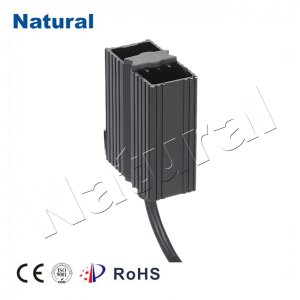
Small Semiconductor Heater

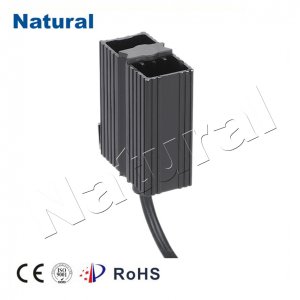
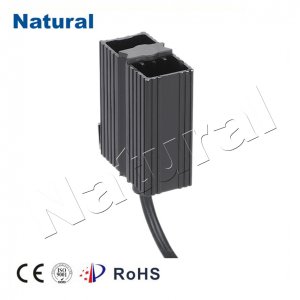
Small semiconductor heaters are compact devices that utilize semiconductor materials to generate heat efficiently. Unlike conventional heating elements that rely on resistive wires or coils, semiconductor heaters leverage the unique properties of semiconductor materials to convert electrical energy into heat directly. This direct conversion mechanism not only improves energy efficiency but also enables precise control over the heat output. One of the key advantages of small semiconductor heaters is their rapid response time. Traditional heating methods often suffer from slow heat-up and cooldown times, making them less suitable for applications requiring quick temperature adjustments. In contrast, semiconductor heaters can change their temperature almost instantaneously, making them ideal for applications where precise and rapid temperature control is crucial, such as in medical devices or laboratory equipment. Energy efficiency is another hallmark of small semiconductor heaters. Their direct heat conversion mechanism minimizes energy loss, ensuring that a higher percentage of the input power is efficiently transformed into usable heat. This efficiency not only reduces operating costs but also contributes to the overall sustainability of various applications. As energy conservation continues to gain prominence, semiconductor heaters provide a solution that aligns with the global push for greener technologies. The compact size of these heaters is a game-changer, especially in industries where space is limited. Traditional heating systems often require bulky components, which can be challenging to integrate into small devices or confined spaces. Semiconductor heaters, on the other hand, are designed to be compact and versatile, allowing for seamless integration into various products without compromising on performance. Furthermore, the precise temperature control offered by semiconductor heaters opens up new possibilities in temperature-sensitive applications. From maintaining the optimal temperature of delicate electronics to creating controlled environments for chemical reactions, these heaters offer a level of accuracy that was previously unattainable with traditional methods. The development of small semiconductor heaters has not been without challenges. Researchers and engineers have worked diligently to optimize the efficiency, reliability, and manufacturability of these devices. Ensuring consistent and uniform heat distribution across the semiconductor material, managing potential overheating issues, and enhancing thermal stability have been focal points of this research. In conclusion, the emergence of small semiconductor heaters marks a significant advancement in the field of heating technology. Their efficiency, rapid response time, compact size, and precise temperature control make them an attractive choice for a wide range of applications. As industries continue to demand solutions that are both effective and eco-friendly, these heaters are poised to reshape the way heat is generated and managed across various sectors. With ongoing research and innovation, the potential of small semiconductor heaters is boundless, promising a future where efficient heating is no longer a challenge, but a standard.

Enhancing Comfort and Efficiency with the Small Compact Thermostat

In the rapidly evolving landscape of smart home technology, innovations are continually reshaping our daily lives, making them more convenient, efficient, and comfortable. One such innovation that has garnered significant attention is the Small Compact Thermostat. This diminutive device is revolutionizing the way we control our indoor environments, offering a multitude of benefits that extend far beyond its size.

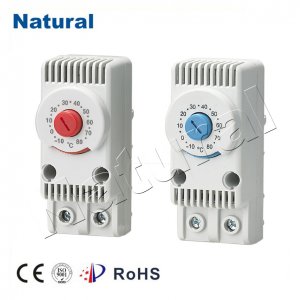
Small Compact Thermostat

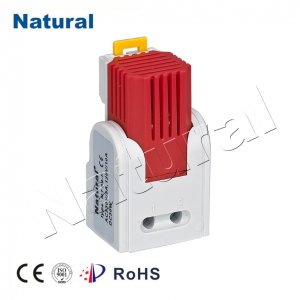
The Small Compact Thermostat, as its name suggests, is a petite and unobtrusive device that regulates the temperature of indoor spaces. Despite its size, it packs a powerful punch in terms of functionality and efficiency. This thermostat can be seamlessly integrated into both residential and commercial settings, catering to the diverse needs of users. One of the standout features of the Small Compact Thermostat is its user-friendly interface. Designed with simplicity in mind, it allows users to easily set and adjust their desired temperature settings. The device can also learn user preferences over time, adapting its operations to match individual schedules and comfort levels. This personalized approach not only enhances comfort but also contributes to energy savings by avoiding unnecessary heating or cooling. Energy efficiency is a paramount concern in today’s world, and the Small Compact Thermostat addresses this issue admirably. By employing advanced sensors and algorithms, it can intelligently detect occupancy and adjust the temperature accordingly. When a space is unoccupied, the thermostat can automatically set the temperature to an energy-saving mode, reducing energy consumption and utility bills. This feature is particularly valuable for those who are environmentally conscious and seek to minimize their carbon footprint. In addition to its energy-saving capabilities, the Small Compact Thermostat offers connectivity that opens up a realm of possibilities. Through Wi-Fi or Bluetooth connectivity, users can control and monitor their indoor climate remotely using their smartphones or other smart devices. This is especially useful for individuals with hectic schedules, enabling them to ensure a comfortable environment awaits them upon their arrival home. Furthermore, remote access allows for real-time adjustments, which can be invaluable for unexpected changes in plans or weather conditions. For homeowners, property managers, and businesses alike, the Small Compact Thermostat presents an opportunity to optimize heating, ventilation, and air conditioning systems. By maintaining a consistent and comfortable indoor climate, the thermostat contributes to improved well-being and productivity. In commercial spaces, where large-scale temperature regulation can be complex and costly, this device offers a cost-effective solution that doesn’t compromise on performance. Beyond its technical merits, the Small Compact Thermostat contributes to the aesthetics of modern interiors. Its sleek design and unassuming presence ensure it blends seamlessly with various decor styles. As home automation becomes increasingly integrated into our living spaces, having a device that complements the overall design is a definite advantage. In conclusion, the Small Compact Thermostat proves that size is not indicative of capability. This unassuming device packs a punch when it comes to comfort, efficiency, and convenience. By learning user preferences, optimizing energy usage, and providing remote access, it addresses the needs of a modern and fast-paced lifestyle. As we continue to prioritize energy efficiency and smart living, innovations like the Small Compact Thermostat pave the way for a more comfortable and sustainable future.

The Advantages of Regulable Thermostats in Modern Living

In the realm of energy-efficient technologies, the regulable thermostat stands out as a small yet powerful device that significantly impacts our daily lives and the environment. This innovative creation has revolutionized the way we control indoor temperatures, providing numerous benefits that contribute to both comfort and sustainability.

regulable thermostat

A regulable thermostat, commonly referred to as a programmable thermostat, is a device that allows users to set specific temperature schedules for their homes or workplaces. Unlike traditional thermostats that require manual adjustments, regulable thermostats offer the convenience of pre-programmed temperature changes throughout the day, adapting to occupants’ needs and preferences. One of the primary advantages of regulable thermostats is energy efficiency. They enable users to establish temperature settings that align with their daily routines. For instance, during the winter months, the thermostat can be set to lower the temperature when occupants are away at work or asleep, and raise it before they wake up or return home. This fine-tuned control prevents unnecessary energy consumption, leading to lower utility bills and reduced carbon emissions. Moreover, regulable thermostats contribute to enhanced comfort. They eliminate the need to manually adjust the thermostat repeatedly, ensuring a consistent and optimal indoor environment. This feature is especially beneficial for families with varying schedules or individuals who spend long hours at work, as they can return to a cozy and well-regulated space without any effort. Beyond personal convenience, regulable thermostats play a crucial role in mitigating climate change. According to the U.S. Environmental Protection Agency (EPA), using a programmable thermostat can save up to 10% on heating and cooling costs annually. By curbing energy consumption, these devices directly reduce the demand for fossil fuels, helping to minimize the environmental impact associated with energy production. Furthermore, the adoption of regulable thermostats encourages technological innovation and sustainable practices. As the demand for energy-efficient solutions grows, manufacturers invest in research and development, leading to the creation of more advanced and eco-friendly products. This not only fosters a culture of innovation but also contributes to a greener and more sustainable future. However, for all its merits, the effective use of regulable thermostats requires awareness and proper usage. Users should be well-informed about the programming features to ensure they maximize the benefits. Additionally, regular maintenance and updates are essential to ensure the thermostat functions optimally over time. In conclusion, the advent of regulable thermostats has brought about a paradigm shift in how we regulate indoor temperatures. By promoting energy efficiency, comfort, and environmental responsibility, these devices have become integral to modern living. As we continue to strive for a more sustainable future, embracing regulable thermostats is a small yet impactful step that can lead to substantial positive change.

PTC Heater Elements: Revolutionizing Heating Technology

Introduction

ptc heater element

In the world of modern heating technology, PTC (Positive Temperature Coefficient) heater elements have emerged as a revolutionary solution. These remarkable components are changing the way we heat our spaces and appliances, offering enhanced efficiency, safety, and versatility. In this article, we will delve into the fascinating realm of PTC heater elements, exploring their working principle, advantages, applications, and the impact they are making on various industries. The Working Principle PTC heater elements function on a unique principle that sets them apart from traditional heating methods. Unlike conventional heating elements, which rely on constant resistance, PTC elements exhibit a positive temperature coefficient. This means that as their temperature rises, their resistance increases, leading to a self-regulating heating process. When the PTC element is initially powered on, its low resistance allows for a high current to flow through, rapidly increasing its temperature. As the temperature climbs, the resistance grows, naturally limiting the current and stabilizing the element’s temperature. Advantages of PTC Heater Elements Efficiency:PTC heater elements are incredibly efficient due to their self-regulating nature. They prevent overheating by reducing power consumption as the desired temperature is reached, making them energy-saving options for various applications. Safety:The self-regulating feature of PTC heater elements eliminates the risk of overheating, making them inherently safer than traditional heating elements. This characteristic is especially crucial in appliances used around flammable materials or in environments with strict safety requirements. Durability:PTC elements have a longer lifespan compared to traditional heating elements. The absence of thermal stress during the self-regulation process reduces wear and tear, ensuring extended operational life. Even Heating:PTC heater elements distribute heat more evenly across surfaces, eliminating hotspots and providing consistent warmth. This property makes them ideal for applications where uniform heating is essential. Applications The versatility of PTC heater elements has led to their adoption across various industries: Home Appliances:PTC elements are used in water heaters, room heaters, and air conditioners. Their energy efficiency and safety features make them a preferred choice for modern household heating appliances. Automotive:PTC elements are employed in car seat heaters, defrosting systems, and cabin heaters. Their rapid heating and self-regulation ensure optimal comfort and safety during cold weather. Industrial Processes:PTC heater elements find use in industrial ovens, drying equipment, and heated presses. Their ability to provide controlled and even heating improves production processes and product quality. Medical Devices:PTC elements are utilized in medical equipment such as blood analyzers and IV fluid warmers. Their precise temperature control and reliability contribute to accurate diagnostic results and patient care. Consumer Electronics:PTC elements are integrated into hair dryers, coffee makers, and irons. Their quick heating and energy efficiency enhance the performance of these devices. Impact on Industries The integration of PTC heater elements has brought about significant positive changes in various industries. Their energy efficiency helps reduce carbon footprints, aligning with global efforts toward sustainability. Moreover, the enhanced safety features of PTC elements have led to the development of safer appliances, reducing the risk of accidents and property damage. Conclusion In the realm of heating technology, PTC heater elements have proven themselves to be game-changers. Their unique working principle, combined with advantages like efficiency, safety, and versatility, has led to their widespread adoption across diverse applications. As industries continue to evolve, PTC elements are sure to play an integral role in shaping the future of heating technology, making our lives more comfortable, efficient, and secure.

PTC Fan Heater: The Perfect Blend of Efficiency and Comfort

In the realm of modern home appliances, the PTC fan heater has established itself as a remarkable innovation that seamlessly marries efficiency with comfort. This ingenious creation has transformed the way we perceive heating solutions, redefining the standards of warmth and coziness in our living spaces.

ptc fan heater

Efficiency Redefined PTC, or Positive Temperature Coefficient, is the core technology that sets PTC fan heaters apart from traditional heating devices. Unlike conventional heaters that operate on a fixed resistance, PTC heaters adjust their resistance according to temperature fluctuations. This dynamic characteristic allows PTC fan heaters to achieve higher energy efficiency and prevent overheating. The moment the desired temperature is reached, the PTC element’s resistance increases, thereby reducing the power input and minimizing energy wastage. Rapid and Even Heating One of the standout features of PTC fan heaters is their ability to deliver rapid and uniform heating. The PTC element’s self-regulating properties ensure that the heat is evenly distributed throughout the room. This eliminates the discomfort of experiencing hotspots and cold spots, providing a consistent and cozy environment for users to enjoy. The integration of a fan further accelerates the circulation of warm air, expediting the heating process without compromising on efficiency. Safety First Safety is a paramount concern in any heating appliance, and PTC fan heaters excel in this aspect. The self-regulating nature of the PTC element significantly reduces the risk of overheating, making them inherently safer than traditional heating elements. Additionally, most PTC fan heaters come equipped with advanced safety features such as tip-over protection and overheat shut-off mechanisms. These safeguards provide users with peace of mind, knowing that their well-being is a top priority. Compact and Portable PTC fan heaters are designed with convenience in mind. Their compact and sleek form factor makes them easy to place in various settings, whether it’s on a desk, a countertop, or even on the floor. Many models are also equipped with built-in handles, allowing users to effortlessly move the heater from one room to another. This portability ensures that warmth is always within reach, regardless of where you are in your living space. Quiet Operation The modern lifestyle emphasizes the need for appliances that enhance comfort without disrupting tranquility. PTC fan heaters excel in this regard with their near-silent operation. Unlike traditional heaters that can produce distracting noises, PTC fan heaters operate quietly, ensuring that they seamlessly blend into the background while providing consistent warmth. Versatility in Control With the integration of advanced electronic controls, PTC fan heaters offer users unparalleled versatility in managing their heating preferences. Many models come with adjustable thermostat settings, allowing precise temperature control. Some even feature programmable timers, enabling users to customize heating schedules based on their routines. These controls empower users to create the perfect ambiance without unnecessary energy consumption. Conclusion The PTC fan heater represents a paradigm shift in the world of heating appliances. Its incorporation of PTC technology, rapid and even heating, safety features, compact design, quiet operation, and advanced controls collectively redefine the concept of warmth and comfort. With an unwavering commitment to energy efficiency and user well-being, PTC fan heaters have undoubtedly secured their place as the pinnacle of modern heating solutions, offering a perfect blend of efficiency and comfort to households worldwide.